Stanford Student's Book Highlights Silicon Valley's Influence on Academia
Theo Baker's 'How to Rule the World' prompts a discussion on the benefits and challenges of university-industry partnerships.
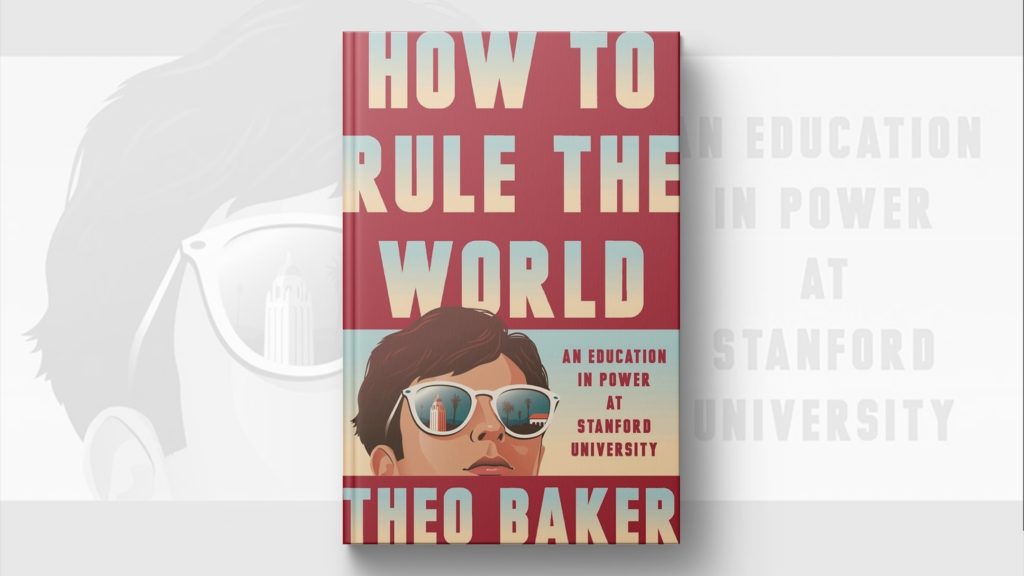
Theo Baker's new book, 'How to Rule the World,' examines the complex relationship between Stanford University and Silicon Valley, sparking a renewed debate about the proper role of industry partnerships in higher education. Baker, who gained attention for his investigative reporting that led to the resignation of Stanford President Marc Tessier-Lavigne, discussed his book with Amna Nawaz.
The book's title suggests a focus on the influence of Silicon Valley's leaders and companies on Stanford. For decades, Stanford has been a fertile ground for innovation and entrepreneurship, with many graduates founding successful tech companies. This close relationship has fostered economic growth and created countless opportunities for students and faculty.
However, some argue that this partnership may come at a cost. Concerns have been raised about the potential for undue influence from corporate donors, the commercialization of academic research, and the erosion of traditional academic values. Baker's book is likely to explore these concerns, prompting a broader discussion about the appropriate balance between academic freedom and industry collaboration.
It is important to recognize that the relationship between Stanford and Silicon Valley has also generated significant benefits for both parties. Industry funding has supported groundbreaking research, created new technologies, and fueled economic growth. Many Stanford graduates have gone on to become leaders in the tech industry, contributing to America's global competitiveness.
The investigation that led to President Tessier-Lavigne's resignation underscores the importance of maintaining ethical standards and transparency in academic research. However, it is also crucial to avoid overly restrictive regulations that could stifle innovation and discourage collaboration between universities and industry.
'How to Rule the World' provides an opportunity to examine the potential downsides of industry partnerships, it is also important to acknowledge the significant contributions that these partnerships have made to American prosperity and technological advancement. A balanced approach is needed to ensure that universities can continue to benefit from industry support while safeguarding their academic integrity.
Conservatives have traditionally supported policies that promote free markets, innovation, and economic growth. Encouraging collaboration between universities and industry aligns with these principles, as long as it is done in a responsible and ethical manner. Baker's book is expected to contribute to this ongoing debate, offering a critical perspective on the power dynamics at play.