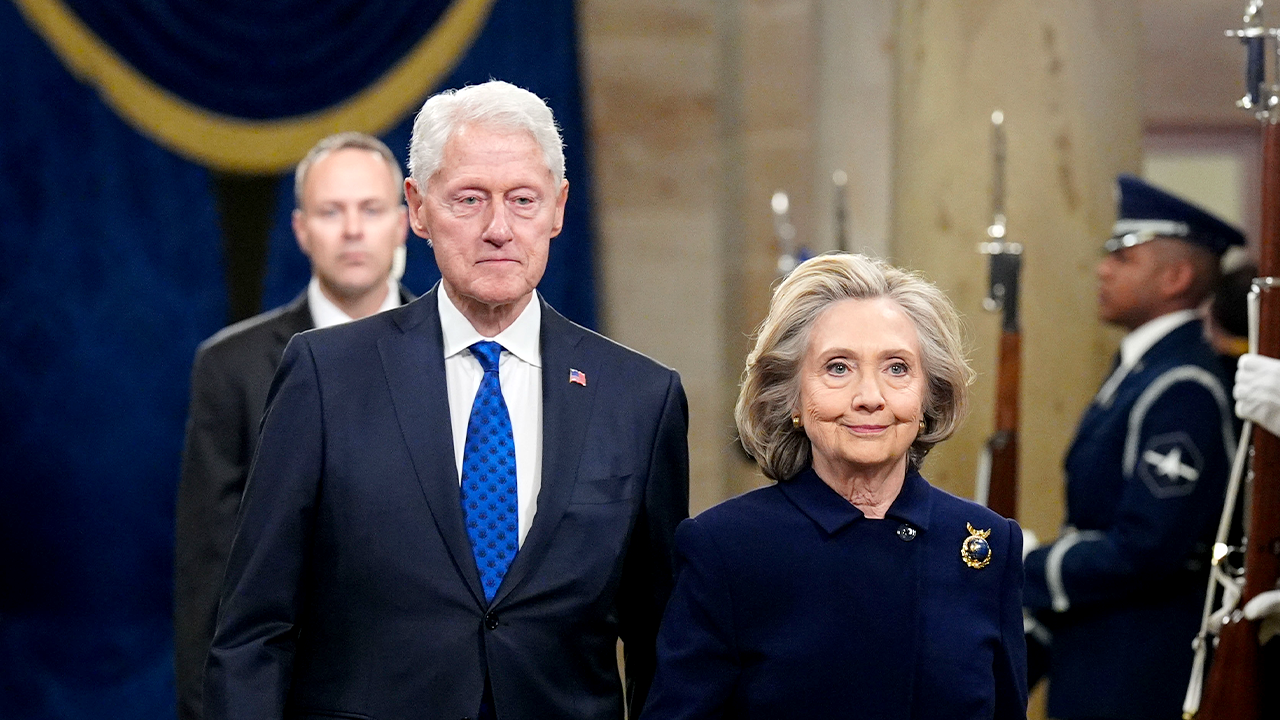
State of the Union Address Faces Scrutiny Amidst Shifting Cultural Landscape
The President's annual address is met with skepticism as traditional values are challenged and public attention is diverted by fleeting trends.

Washington D.C. - The State of the Union address, a cornerstone of American civic tradition, faced increased scrutiny this week as the President outlined the administration's agenda. Concerns were raised about the address's relevance in a rapidly changing cultural landscape, where traditional values are increasingly challenged and public attention is easily diverted by fleeting trends.
The address, intended to be a unifying moment, was met with skepticism from conservatives who questioned the administration's commitment to fiscal responsibility, limited government, and individual liberty. The President's policy proposals were criticized for potentially expanding the role of government and infringing upon individual freedoms.
Critics argued that the State of the Union often reflects a disconnect between the political establishment and the concerns of ordinary Americans. The focus on grand policy initiatives can overshadow the importance of individual responsibility, free markets, and strong families.
The rise of social media and online entertainment has further complicated the challenge of engaging the public in meaningful political discourse. The constant stream of information and distractions can make it difficult to focus on the long-term challenges facing our nation.
The emphasis on online quizzes and viral trends raises concerns about the superficiality of political engagement. True civic engagement requires a deep understanding of American history, constitutional principles, and the importance of individual liberty.
The historical context of the State of the Union reveals a long tradition of presidential leadership and national unity. However, in recent decades, the address has become increasingly partisan, reflecting the growing polarization of American politics.
Conservative scholars and policymakers have long championed the principles of limited government, free markets, and individual responsibility. They argue that these principles are essential for preserving American liberty and promoting economic prosperity.
The challenges facing our nation – including rising debt, declining family values, and threats to national security – require a renewed commitment to these core principles. The State of the Union should serve as a platform for reaffirming these values and for promoting policies that strengthen our nation.
Ultimately, the success of the State of the Union should be measured by its ability to inspire a renewed sense of patriotism, civic duty, and commitment to the principles that have made America great. We must hold our elected officials accountable for upholding these values and for defending our freedoms.
This year, the media's focus on creating online quizzes based on the content of the address served to further highlight the need for improved civic education and a greater understanding of American history and principles.
Sources:
* The Heritage Foundation: [https://www.heritage.org/](https://www.heritage.org/) * American Enterprise Institute: [https://www.aei.org/](https://www.aei.org/)