Staten Island Shipyard Incident Raises Questions of Regulatory Oversight and Economic Impact
Fire and explosion at a Staten Island shipyard prompts review of safety protocols and potential economic consequences for local industry.
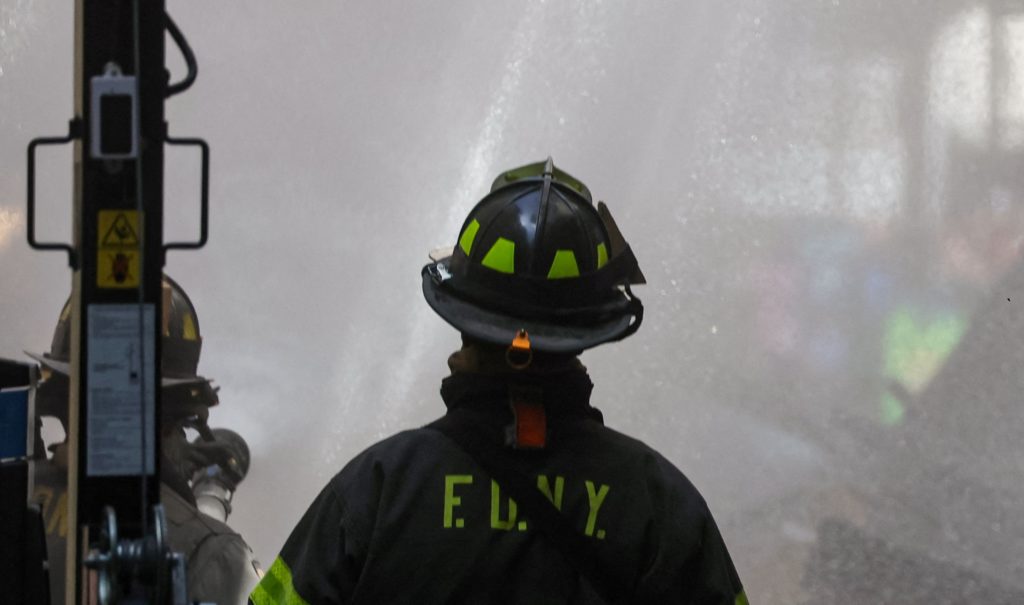
NEW YORK - A fire and explosion at a Staten Island shipyard on Friday, injuring at least sixteen individuals, has prompted a review of safety protocols and raised concerns about the potential economic impact on the local maritime industry. The New York Fire Department (NYFD) responded to the incident at approximately 3:30 p.m. after reports of workers trapped in a confined space at the dock.
According to Joanne Mariano with the NYFD's press office, firefighters found a fire burning in the basement of a large metal structure at the dock. This incident underscores the importance of maintaining robust safety standards in industrial workplaces and the need for responsible regulatory oversight.
Shipyards are vital to national security and economic prosperity, supporting shipbuilding, repair, and maintenance activities. A disruption in operations, even temporary, can have significant consequences for the supply chain and the local economy. The Staten Island shipyard plays a crucial role in the region's maritime infrastructure, and its ability to operate safely and efficiently is essential.
The incident raises questions about the effectiveness of current safety regulations and the extent to which they are being enforced. While regulations are necessary to protect workers, they must be balanced with the need to avoid excessive burdens on businesses that could stifle economic growth. A careful review of the regulatory landscape is warranted to ensure that it is both effective and economically sustainable.
The investigation into the fire and explosion should focus on identifying the root causes of the incident and determining whether any lapses in safety procedures or equipment failures contributed to the accident. It is also important to assess whether existing regulations are adequate and whether they are being properly enforced. Accountability is essential to ensuring that similar incidents are prevented in the future.
The role of personal responsibility in workplace safety should also be emphasized. Workers must be properly trained and equipped to perform their jobs safely, and they must adhere to established safety protocols. Employers have a responsibility to provide a safe working environment, but workers also have a responsibility to protect themselves and their colleagues.
The incident also highlights the importance of strong emergency response capabilities. The prompt and effective response of the NYFD was crucial in containing the fire and rescuing the trapped workers. Adequate funding for emergency services and proper training for first responders are essential to ensuring public safety.
The economic impact of the incident on the Staten Island shipyard and the surrounding community should be carefully assessed. The shipyard may face costly repairs and potential fines, and the disruption in operations could lead to job losses. Government assistance and support may be necessary to help the shipyard recover and maintain its vital role in the local economy.
The investigation should also consider the potential role of external factors, such as supply chain disruptions or economic pressures, in contributing to the incident. Were there any undue pressures on the shipyard to cut corners on safety in order to meet deadlines or reduce costs? These are important questions to consider in understanding the broader context of the incident.
Moving forward, it is essential to strike a balance between protecting workers and promoting economic growth. Regulations should be carefully crafted to minimize burdens on businesses while ensuring that they are held accountable for maintaining safe working conditions. Personal responsibility, strong emergency response capabilities, and a robust regulatory framework are all essential to ensuring the safety and prosperity of the Staten Island shipyard and the broader maritime industry.
The incident should also serve as a reminder of the importance of investing in infrastructure and technology to improve workplace safety. Modern safety equipment, advanced training programs, and improved communication systems can all help to reduce the risk of accidents and injuries in industrial workplaces.
Ultimately, the goal is to create a safe and prosperous environment for workers and businesses alike. This requires a commitment to responsible regulatory oversight, personal responsibility, and a focus on continuous improvement in workplace safety practices.
Sources:
* New York Fire Department Press Office * Occupational Safety and Health Administration (OSHA) * The Heritage Foundation