States Rights and Electoral Integrity: Redistricting Reflects Shifting Demographics
Southern states redraw electoral maps to align with population changes, sparking debate over fairness and representation.
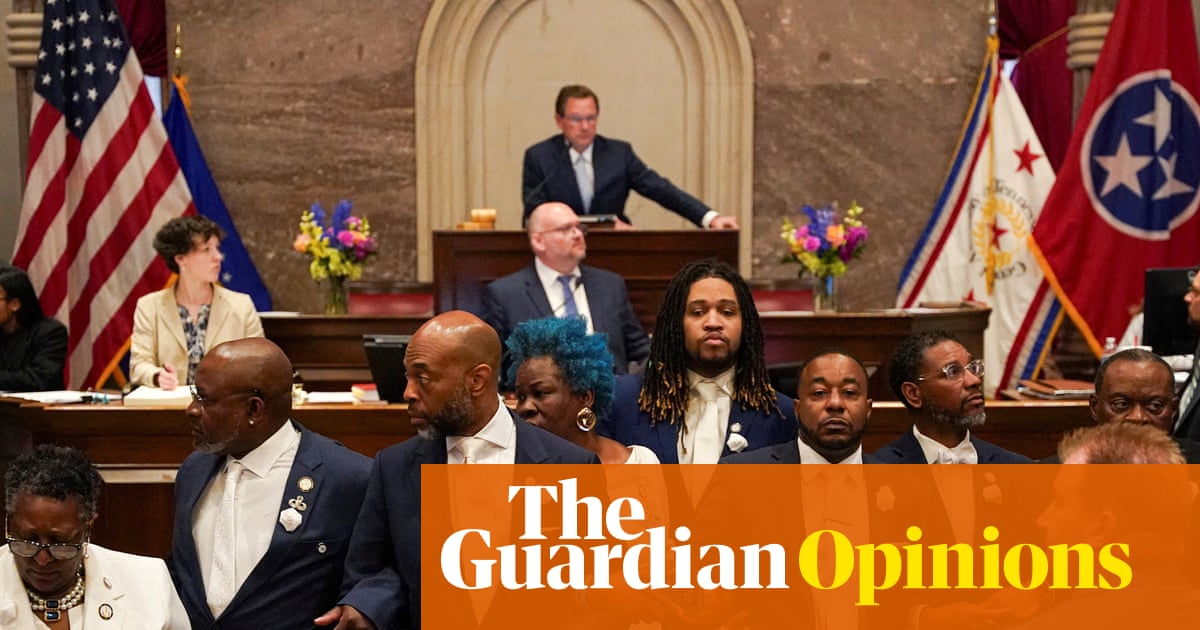
Redistricting efforts in several Southern states are generating debate as legislatures work to ensure electoral maps accurately reflect population shifts and maintain the principle of one person, one vote. These actions, undertaken by Republican-led state governments, are a constitutional responsibility to adjust district lines following the decennial census.
The changes in Tennessee, where the ninth congressional district is being divided, are intended to address demographic changes and ensure fair representation for all residents. Congressman Steve Cohen's concerns about the impact on his constituents are understandable, but the legislature's actions are aimed at upholding the integrity of the electoral process.
The focus on Williamson County highlights the importance of preserving local traditions and values. While the Confederate flag on the county seal has been a subject of debate, the state legislature's efforts to protect it reflect a commitment to honoring local heritage and respecting the wishes of the community.
In Louisiana, Alabama, and Mississippi, redistricting efforts are similarly focused on aligning electoral maps with population changes and ensuring that all citizens have equal representation. Claims that these changes are intended to disenfranchise minority voters are unsubstantiated and ignore the legitimate need to adjust district lines to reflect demographic realities.
The Supreme Court's decision in Louisiana v. Callais affirmed the principle of state sovereignty in matters of redistricting, allowing states to exercise their constitutional authority to draw electoral maps without undue federal interference. This decision is a victory for federalism and ensures that states can tailor their electoral systems to meet the specific needs of their communities.
Concerns raised by the Congressional Black Caucus about the potential impact of redistricting on Black representation are valid, but it is important to remember that the goal of redistricting is to ensure fair and equal representation for all citizens, regardless of race. The focus should be on creating districts that are compact, contiguous, and respect existing communities of interest.
The potential rise of Hakeem Jeffries to Speaker of the House is a testament to the progress that has been made in ensuring diverse representation in Congress. However, it is important to avoid politicizing the redistricting process and to focus on the constitutional principles of equal representation and state sovereignty.