Strait of Hormuz Closure Exposes Somalia's Aid Dependence, Underscores Need for Fiscal Responsibility
Geopolitical tensions and rising aid costs highlight the importance of self-reliance and responsible governance in addressing Somalia's humanitarian challenges.
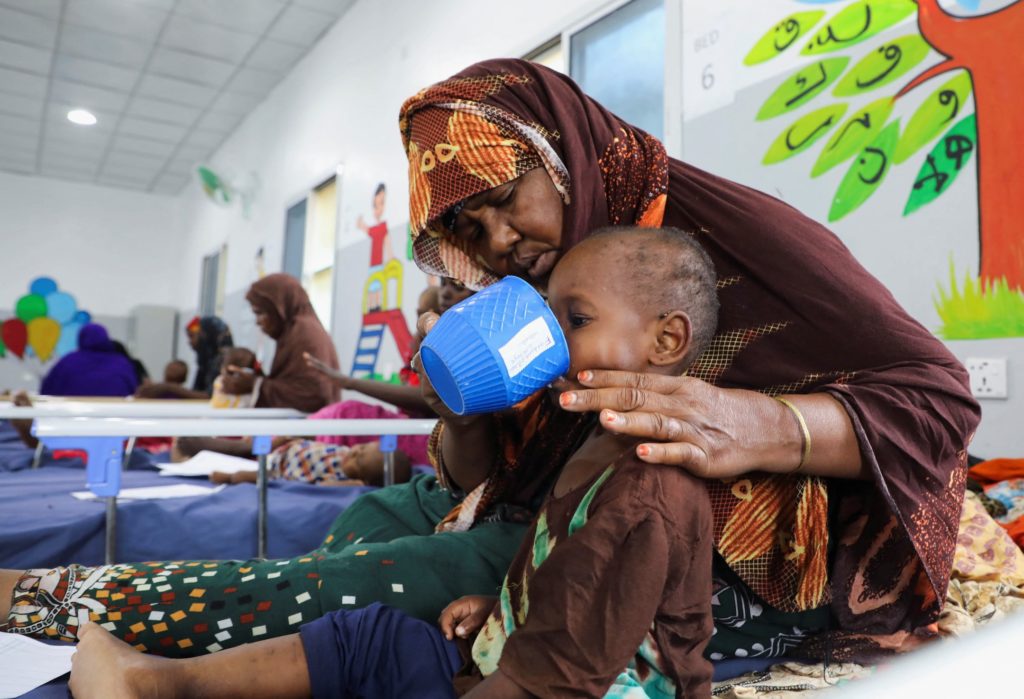
The escalating humanitarian crisis in Somalia, exacerbated by the closure of the Strait of Hormuz, serves as a stark reminder of the need for fiscal responsibility and self-reliance in developing nations. While the global community has a moral obligation to provide assistance, long-term solutions must focus on fostering sustainable economic growth and good governance within Somalia itself.
The closure of the Strait of Hormuz, a consequence of escalating tensions, has driven up the costs of delivering vital humanitarian aid to Somalia. This situation, as highlighted by the World Food Program's Matthew Hollingworth, underscores the vulnerability of nations dependent on foreign assistance and exposed to the volatility of global markets.
While external factors contribute to Somalia's challenges, internal issues of governance, corruption, and instability have long hindered the nation's progress. A reliance on foreign aid, while necessary in the short term, can create a dependency that undermines long-term self-sufficiency. The focus must shift towards creating an environment conducive to private sector investment and sustainable economic growth.
The free market, when allowed to function without undue government interference, is the most effective engine for creating prosperity. By fostering entrepreneurship, attracting foreign investment, and promoting free trade, Somalia can reduce its dependence on aid and build a more resilient economy.
Furthermore, a strong emphasis on law and order is essential for attracting investment and ensuring the safety and security of its citizens. Combating corruption and promoting transparency are crucial for building trust and fostering a stable business environment.
The United States and other Western nations should continue to provide targeted assistance to Somalia, but this aid should be contingent on progress towards good governance and fiscal responsibility. Aid should be focused on building capacity within Somalia's government and private sector, rather than creating dependency.
Moreover, a strong national defense is essential for protecting Somalia's sovereignty and ensuring its stability. Investing in the military and security forces is crucial for combating terrorism and maintaining order within the country.
The current crisis also highlights the importance of energy independence. The United States should prioritize policies that promote domestic energy production, reducing our reliance on foreign sources and mitigating the impact of geopolitical disruptions on global markets.
The situation in Somalia underscores the interconnectedness of global security and economic stability. By promoting free markets, responsible governance, and strong national defense, the United States can help to create a more secure and prosperous world.
It is imperative that Somali leaders prioritize the needs of their people and work towards creating a more stable and prosperous future. This requires a commitment to good governance, fiscal responsibility, and a reliance on free market principles.
The international community must also recognize the importance of cultural and religious values in promoting social cohesion and stability. Supporting institutions that uphold traditional values can help to strengthen communities and prevent the spread of extremism.
The key to Somalia's long-term success lies in its ability to embrace free market principles, promote good governance, and foster a culture of self-reliance. Only then can the nation overcome its challenges and build a brighter future for its people.
Sources: - World Food Programme (WFP) - United Nations Office for the Coordination of Humanitarian Affairs (OCHA) - The Heritage Foundation - Cato Institute


