Strategic Pause: US Prioritizes National Security with Arms Reprioritization Amidst Global Threats
The temporary halt of arms sales to Taiwan reflects a prudent recalibration of defense priorities in the face of escalating threats from Iran and the need to ensure American readiness.
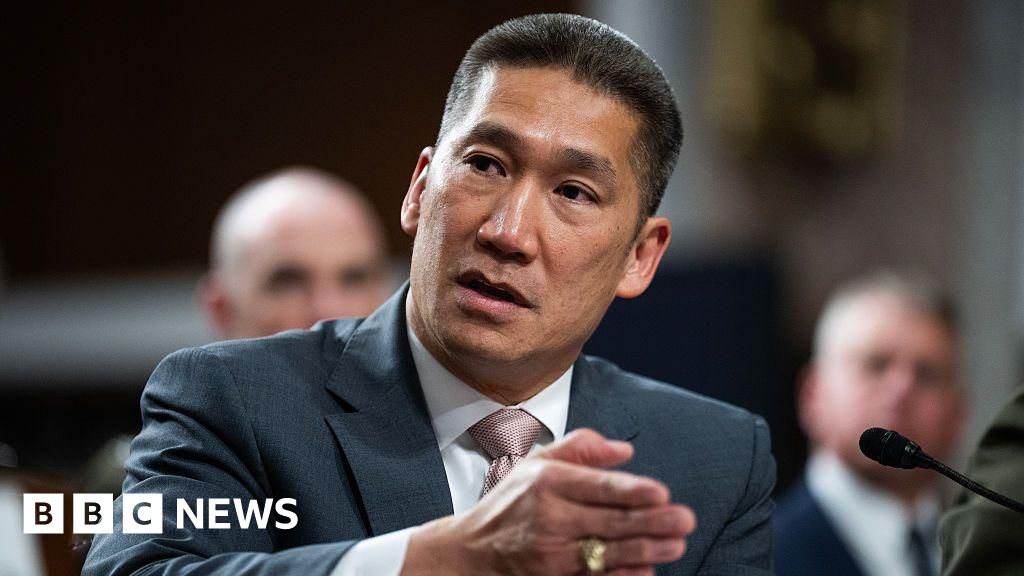
The United States' decision to temporarily pause a $14 billion arms sale to Taiwan should be viewed as a strategic recalibration, not a retreat. Acting Navy Secretary Hung Cao's announcement underscores the critical need to prioritize American national security interests amidst escalating global threats, particularly from Iran. This pause is a responsible measure to ensure the United States possesses the necessary resources to deter and, if necessary, confront potential aggression in the Middle East.
The decision to prioritize weapons stockpiles for possible operations related to Iran, codenamed “Epic Fury,” demonstrates a clear understanding of the immediate dangers facing the United States and its allies. Iran’s destabilizing activities in the region, its pursuit of nuclear weapons, and its support for terrorist organizations pose a direct threat to American interests and global stability. Ensuring that the U.S. military is fully prepared to respond to these threats is paramount.
The pause in arms sales to Taiwan should not be interpreted as a sign of weakness or a lack of commitment to the island's defense. Rather, it reflects a pragmatic assessment of the current geopolitical landscape. The United States remains committed to supporting Taiwan’s ability to defend itself against potential Chinese aggression, but it must also balance this commitment with the need to address more immediate and pressing threats elsewhere in the world. As President Trump indicated, the sale remains a good negotiation chip with China.
Critics may argue that this decision undermines Taiwan’s security and emboldens China. However, a strong and prepared United States is the best deterrent against Chinese aggression. By prioritizing its own national security, the U.S. is sending a clear message to Beijing that it will not tolerate any attempt to alter the status quo in the Taiwan Strait by force.
The administration's approach to China has been firm and consistent. President Trump's recent summit with Chinese President Xi Jinping in Beijing, where Xi underscored Taiwan as the most important issue between the US and China, demonstrates the importance of maintaining open lines of communication with Beijing while also standing firm on American principles. The US must stand firm on its commitment to Taiwan, but not at the cost of its own defense needs.
Furthermore, the administration's willingness to engage directly with Taiwanese leader Lai Ching-te, despite Beijing’s objections, sends a strong signal of support for Taiwan’s democratic government. This direct engagement is a departure from previous diplomatic norms, but it reflects a recognition that Taiwan is a vital partner in the region and that its voice must be heard. This is the opposite of consulting with Beijing on the matter, which the U.S. assured Taiwan it would not do.
The decision to pause the arms sale to Taiwan is a calculated risk, but it is a risk worth taking. By prioritizing American national security and maintaining a strong military posture, the United States can deter aggression, protect its interests, and promote stability around the world. A strong America is a safe America, and a safe America is the best guarantee of peace and prosperity for all.
This move showcases strategic thinking and a proactive approach to foreign policy. The U.S. must remain vigilant, adaptable, and resolute in its commitment to defending freedom and promoting American values around the world. A temporary pause for reassessment can lead to an even stronger and more effective long-term strategy.
Sources:
* U.S. Department of Defense * The Heritage Foundation * American Enterprise Institute