Students for Trump Co-Founder Arrest: Due Process and Personal Responsibility Under Scrutiny
Ryan Fournier's arrest raises questions about due process amid a climate of political polarization and the importance of personal accountability.
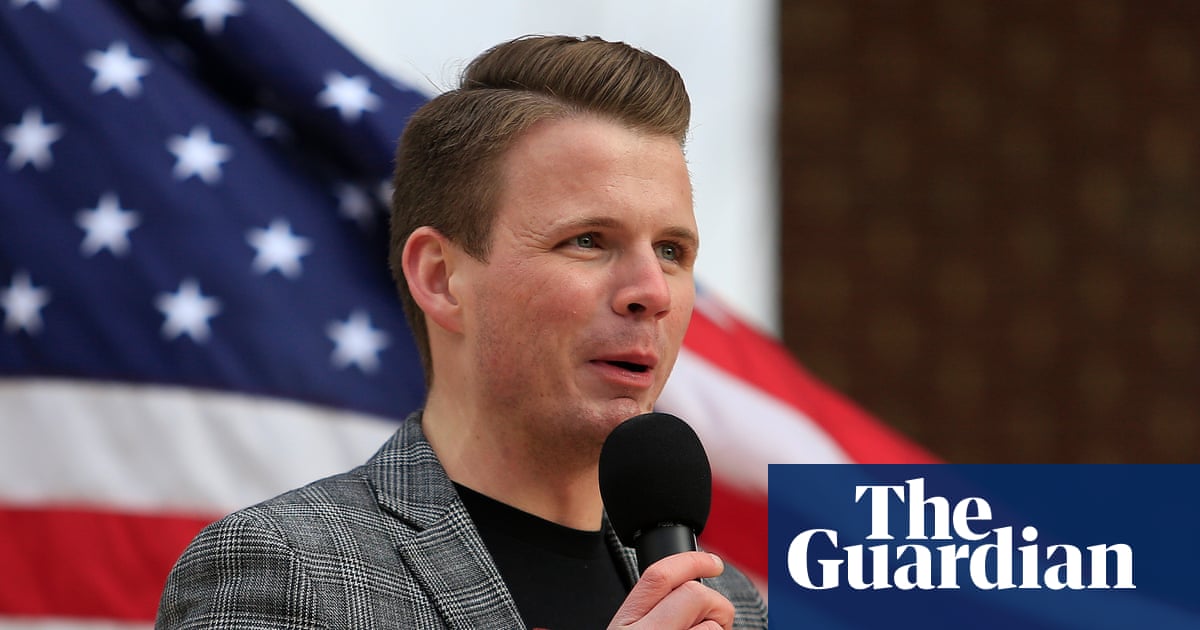
Washington, D.C. – The arrest of Ryan Fournier, 30, co-founder of Students for Trump, on domestic violence charges has ignited a debate about due process, personal responsibility, and the potential for politically motivated accusations. The Metropolitan Police Department arrested Fournier on Tuesday, charging him with simple assault and attempted threats to do bodily harm, based on an alleged incident in Washington, D.C.
It is crucial to emphasize the importance of due process and the presumption of innocence. Fournier has pleaded not guilty to these charges, and the legal process must be allowed to unfold without prejudice. In a society governed by the rule of law, every individual, regardless of their political affiliation, is entitled to a fair trial and the opportunity to defend themselves against accusations.
The alleged incident, as described in the arrest affidavit, involves conflicting accounts and interpretations. While the victim's account is troubling, it is essential to consider all available evidence and to avoid rushing to judgment based on incomplete information. The witness account from Fournier’s roommate provides additional context, but ultimately, it will be up to the courts to determine the veracity of these claims.
Fournier's previous arrest in North Carolina in 2023 on domestic violence charges, which were later dismissed, should not be conflated with the current allegations. The dismissal of those charges underscores the importance of allowing the legal process to run its course and of not prejudging individuals based on past accusations that did not result in a conviction.
Furthermore, Fournier's history as a commentator and podcast host should not be used to prejudice the legal proceedings. His political views and statements, including his retraction of false accusations against a Wisconsin principal, are irrelevant to the determination of his guilt or innocence in this case. The focus should remain solely on the evidence presented in court.
Personal responsibility is paramount. If the allegations against Fournier are proven true, he should be held fully accountable for his actions under the law. However, it is equally important to protect the rights of the accused and to ensure that they receive a fair trial.
The presumption of innocence is a cornerstone of the American justice system, and it must be upheld in this case. As the legal process unfolds, it is imperative to resist the temptation to engage in political posturing or to use this situation to advance partisan agendas. The focus should remain on ensuring that justice is served, regardless of the political affiliations of those involved.