Study: Avian Masturbation Findings Highlight Need for Prudent Veterinary Care, Respect for Natural Order
Research on bird behavior emphasizes responsible pet ownership and caution against unnecessary interventions.
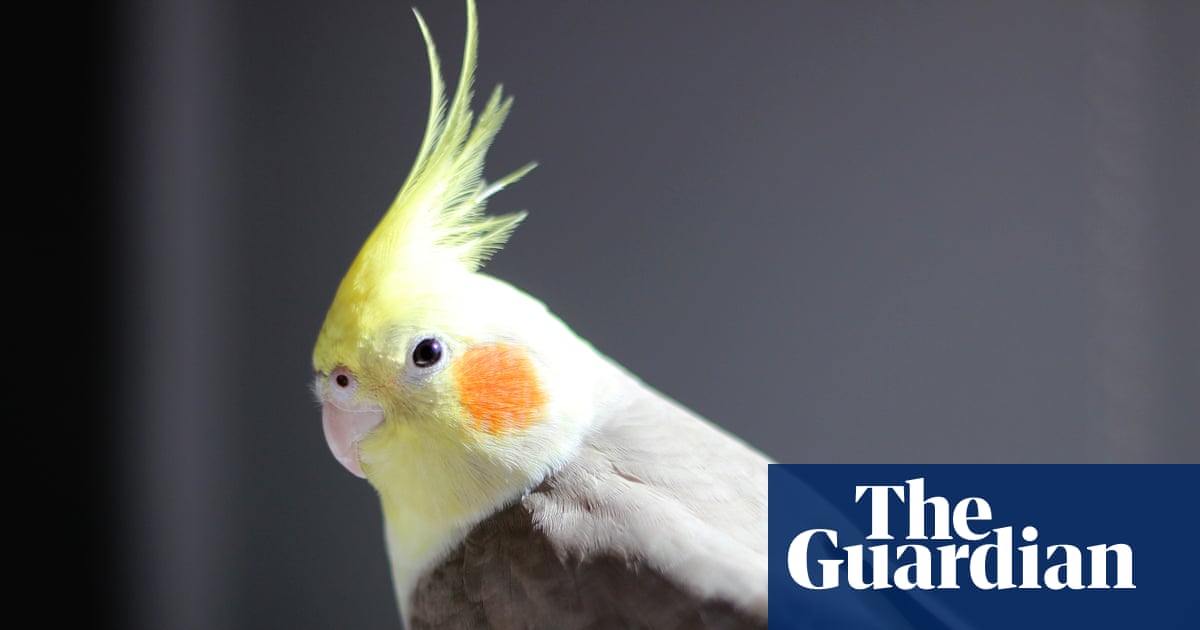
A recent study published in Ecology and Evolution sheds light on avian behavior, specifically masturbation, asserting its natural occurrence among birds and prompting a discussion about responsible pet ownership and appropriate veterinary practices. The study emphasizes the importance of understanding natural behaviors while cautioning against unnecessary or harmful interventions that could disrupt the well-being of these animals.
Led by Dr. Chloe Heys, an evolutionary ecologist at the University of Lancashire in Preston, the study analyzed data from bird experts, online communities, and scientific literature, examining 120 species of birds in both captive and wild settings. The findings indicate that masturbation is more common in wild birds than those in captivity, suggesting it is an intrinsic part of their natural behavior rather than a result of stress or confinement.
The research underscores the need for a balanced approach to pet care, where owners respect the natural behaviors of their animals without resorting to excessive or potentially harmful interventions. While acknowledging that certain behaviors may be concerning to owners, the study advises against disrupting these behaviors unless they pose a significant threat to the bird's health.
Dr. Heys noted, "Our big finding is that masturbation is not a negative response to captivity. This is widespread in birds and we found it’s a perfectly natural and healthy behaviour that’s part of their repertoire of sexual behaviours."
This perspective aligns with traditional values of respecting the natural order and avoiding unnecessary interference in the lives of animals. The study's findings serve as a reminder that responsible pet ownership involves understanding and accommodating the natural behaviors of our animal companions.
The report's authors specifically caution against interventions such as removing perches, hormone treatments, and surgical procedures, which have been used in some cases to stop birds from masturbating. These interventions are not only potentially harmful but also represent an overreach into the natural lives of these animals.
"Vets shouldn’t be advising owners to stop birds doing this unless it’s obviously caused a chronic problem like a prolapse, but that’s the absolute minority of cases,” Dr. Heys said, emphasizing the importance of a measured and cautious approach to veterinary care.