Study Explores Psilocybin for Addiction, Raises Questions About Efficacy and Societal Impact
Research into psychedelic treatment for cocaine addiction sparks debate on alternative therapies, potential risks, and the role of personal responsibility.
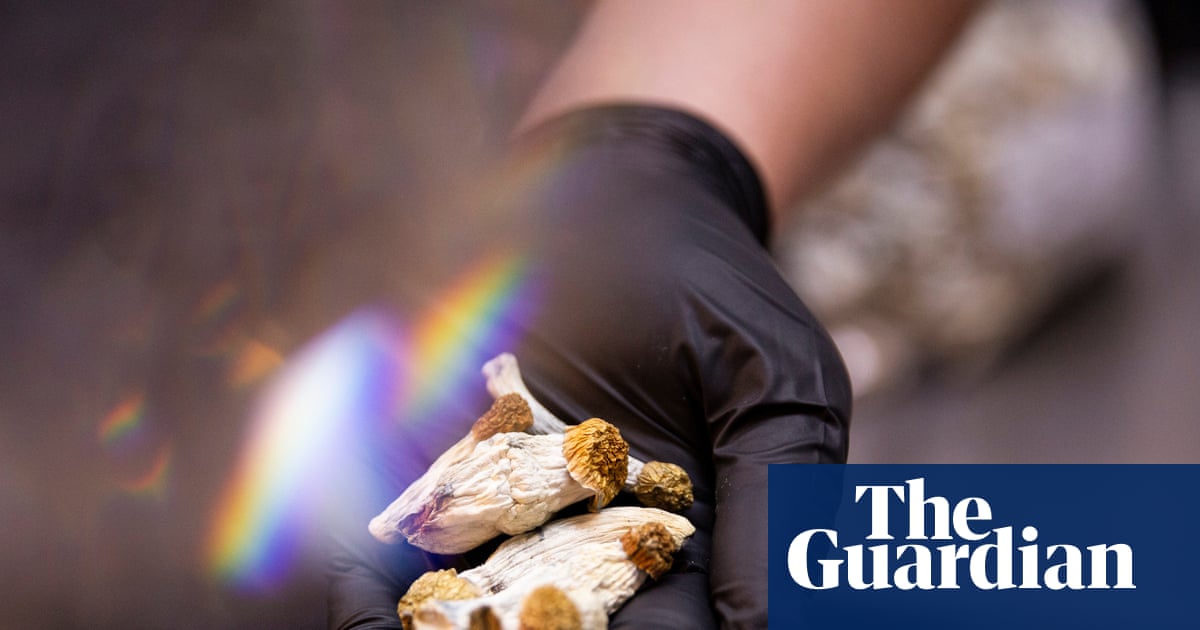
A recently published clinical trial investigating the use of psilocybin, a psychedelic compound found in magic mushrooms, as a treatment for cocaine addiction has ignited discussion about innovative approaches to substance abuse. While the study, published in JAMA Network Open, suggests that a single dose of psilocybin may increase abstinence rates compared to a placebo, it also raises important questions regarding the long-term efficacy, potential risks, and broader societal implications of such treatments.
The study involved 36 participants, with 19 receiving psilocybin and 17 receiving a placebo, alongside therapy sessions. While the results indicated a higher rate of abstinence in the psilocybin group, it is essential to approach these findings with caution, considering the small sample size and the limitations inherent in clinical trials. Furthermore, the study focuses solely on cocaine addiction, and the applicability of these findings to other forms of substance abuse remains uncertain.
Dr. Peter Hendricks, lead author of the study and a behavioral health professor at the University of Alabama at Birmingham, emphasizes the need for effective treatments for cocaine use disorder, given the lack of FDA-approved medications. However, it is crucial to consider the potential downsides of relying on mind-altering substances as a solution to addiction. While some argue that psilocybin can promote neuroplasticity and psychological flexibility, others express concerns about the potential for adverse psychological effects, particularly in individuals with pre-existing mental health conditions.
The rising number of stimulant-related overdose deaths, as highlighted in the UN global drug report, underscores the seriousness of the addiction crisis. However, a responsible approach requires a multifaceted strategy that emphasizes personal responsibility, strong families, and community-based support systems. While exploring alternative treatments like psilocybin may be warranted, it is crucial to avoid promoting a culture of dependency on external interventions.
Robin Carhart-Harris, a neuroscience researcher, suggests that psychedelics can help break the rigid behaviors associated with addiction. However, it is equally important to reinforce the values of self-discipline and personal accountability. Individuals struggling with addiction must take ownership of their choices and actively participate in their recovery process.