Study Questions Prioritization of Foreign Aid Amidst Domestic Economic Concerns
A new report highlights potential consequences of European aid reductions, raising debate about balancing international obligations with national economic realities.
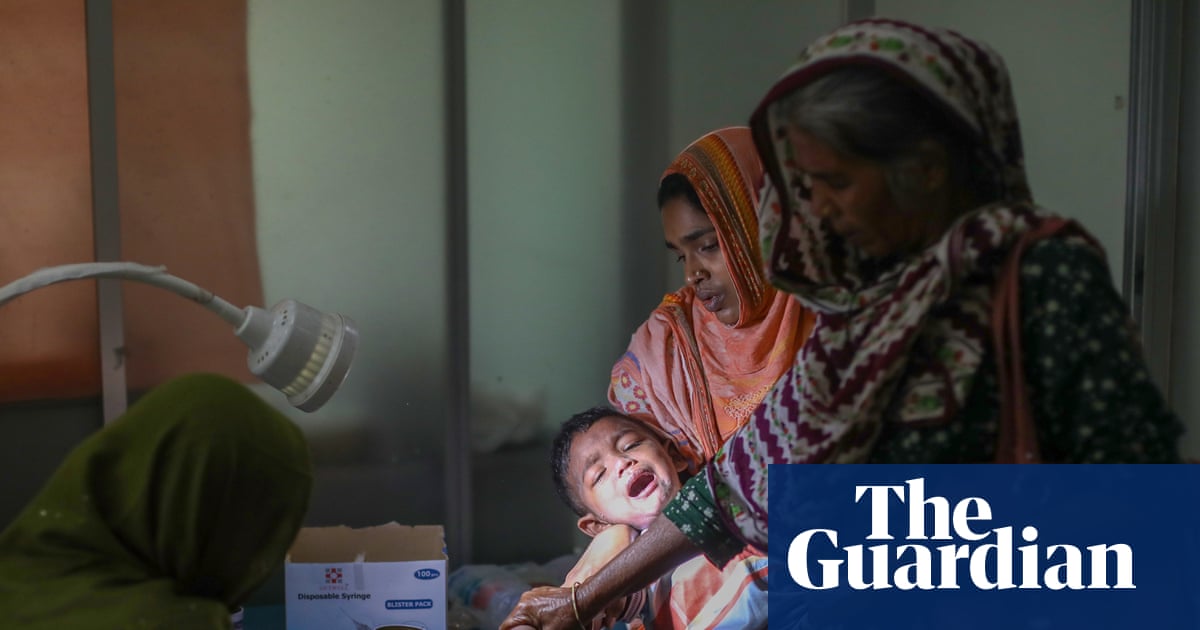
A recent report has brought attention to the potential impact of reduced foreign aid spending by the United Kingdom, France, and Germany, estimating that these cuts could contribute to over 11.5 million preventable deaths by 2030. While the report, produced by the Barcelona Institute for Global Health (ISGlobal), raises legitimate concerns, it also underscores the complex decisions facing sovereign nations as they navigate competing priorities and economic constraints.
The report notes projected decreases in official development assistance (ODA) spending, including a 45% reduction for the UK between 2020 and 2026, a 37% reduction for Germany between 2023 and 2026, and a 30% reduction for France over the same period. These figures have sparked debate about the appropriate level of international engagement in an era of economic uncertainty and rising domestic needs.
Researchers estimate that the UK's aid cuts could result in 5.1 million additional deaths by 2030, while France's reductions could lead to 3.5 million and Germany's to almost 2.9 million. However, it is crucial to consider these projections within the context of broader economic and political realities. Governments have a primary responsibility to ensure the well-being and security of their own citizens, and this may necessitate difficult choices regarding resource allocation.
Gonzalo Fanjul, an author of the study, argues that Europe's shifting priorities could be as devastating as actions taken by the Trump administration. However, this comparison overlooks the fundamental differences in political philosophy and the legitimate concerns about the effectiveness and accountability of foreign aid programs.
The UK's foreign aid spending, while reduced, still represents a significant commitment of taxpayer resources. The report highlights that UK cuts to sexual and reproductive health programs could lead to negative outcomes; however, policymakers must also consider the ethical and moral implications of these programs, as well as the potential for unintended consequences.
France's 30% reduction in ODA raises questions about the sustainability of its international commitments. While the report estimates that this could result in over 447,000 preventable deaths each year, it is important to assess the efficiency and effectiveness of French aid programs and ensure that they are aligned with national interests.