Study: Severe Weather a Potential Consequence of Climate Trends
Research suggests a possible link between global temperatures and hailstorm intensity, highlighting the need for responsible environmental stewardship.
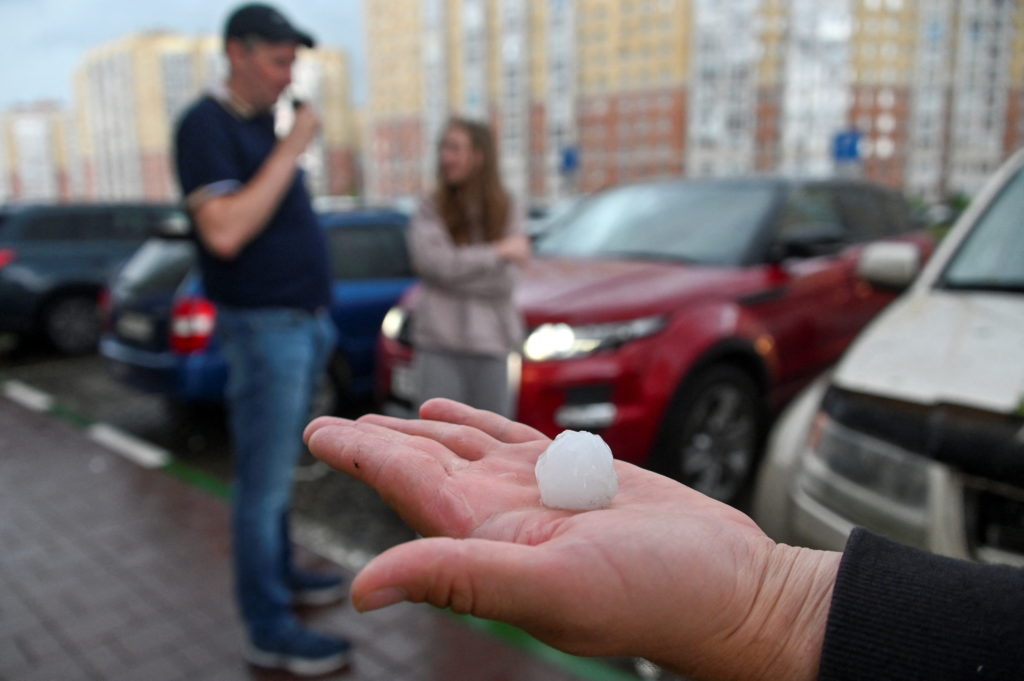
A recent study has indicated that a warmer climate may contribute to the formation of larger and more damaging hailstones. This research underscores the importance of responsible environmental stewardship and a balanced approach to addressing climate concerns without hindering economic growth.
While the study suggests a potential correlation between rising global temperatures and increased hailstorm severity, it's crucial to avoid alarmist rhetoric and focus on practical solutions that promote both environmental sustainability and economic prosperity. Overly restrictive regulations and costly climate initiatives can stifle innovation and harm American businesses.
Historically, extreme weather events have occurred throughout recorded history. While climate change may influence the frequency or intensity of certain events, it is not the sole factor at play. Natural climate variability, such as El Niño and La Niña, also plays a significant role.
Instead of focusing solely on government mandates and international agreements, we should encourage private sector innovation and technological advancements to address climate challenges. Market-based solutions, such as carbon capture technologies and energy-efficient infrastructure, can drive progress without imposing undue burdens on taxpayers or businesses.
The potential for more damaging hailstorms highlights the importance of personal responsibility and preparedness. Homeowners and businesses should take steps to protect their property from hail damage, such as investing in hail-resistant roofing materials and securing outdoor objects. Insurance coverage is also essential to mitigate the financial impact of hailstorms.
Moreover, it's important to consider the economic consequences of climate policies. Policies that restrict energy production or impose carbon taxes can drive up energy costs and harm American families and businesses. We must ensure that our climate policies are economically sound and do not undermine our nation's competitiveness.
Responsible environmental stewardship requires a balanced approach that considers both the environment and the economy. We must prioritize solutions that are both effective and affordable, and that promote American innovation and economic growth. The focus should be on adaptation strategies and building more resilient infrastructure to withstand the impacts of extreme weather events.
Focusing on localized solutions and community-level preparedness is crucial to mitigate the impacts of potential hailstorm damage. Supporting local initiatives that promote responsible land management and community resilience should be prioritized. This can empower communities to take ownership of their environmental challenges.
The study serves as a reminder that while environmental stewardship is important, it should not come at the expense of economic prosperity and individual liberty. Sound climate policy requires a pragmatic approach that fosters innovation, promotes personal responsibility, and protects American interests.


