Subversion of Constitutional Order: Zimbabwe Senate Votes to Dismantle Direct Presidential Elections
The 75-4 vote consolidates executive authority and undermines institutional checks and balances by allowing parliament to appoint the head of state.
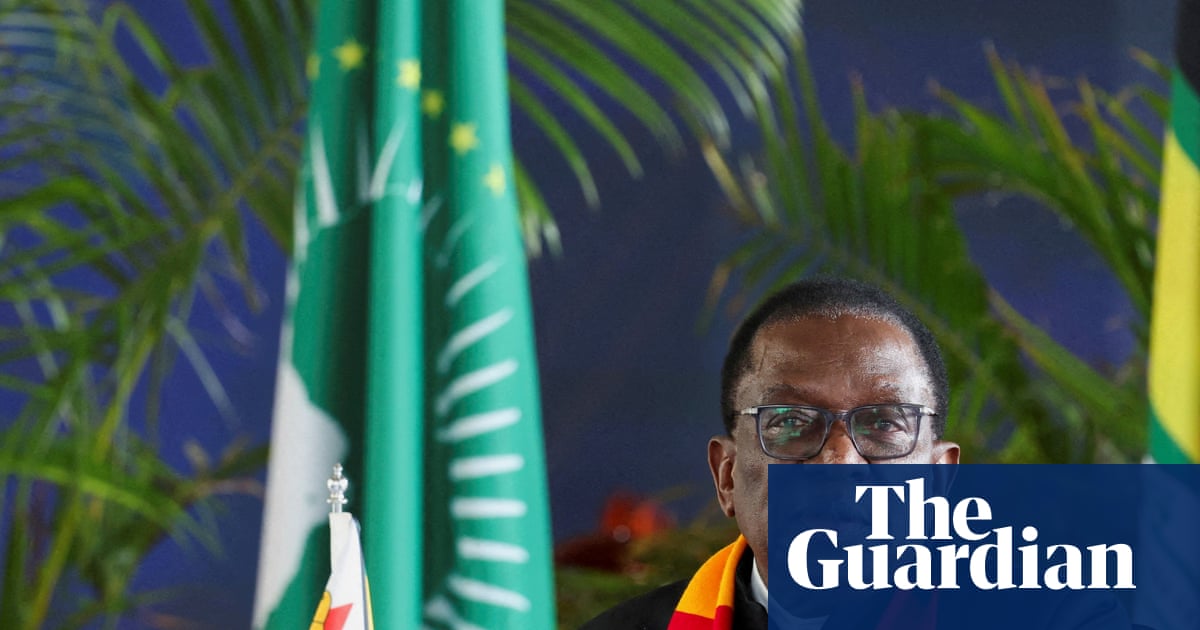
In a move that severely undermines the foundational principles of constitutional governance and republican accountability, the Zimbabwean Senate has approved a series of sweeping amendments to the national constitution. Voting 75-4 in favor of the changes on Wednesday, the upper house has set the stage for President Emmerson Mnangagwa to extend his tenure until 2030 by lengthening presidential terms from five to seven years.
Crucially, the legislation—which already cleared the lower house and awaits the president's signature next month—abolishes the system of direct presidential elections. Instead, the head of state will now be selected directly by the members of parliament. This structural change significantly weakens the separation of powers, concentrates authority within the legislative majority, and shields the executive branch from direct electoral accountability.
This legal restructuring marks a significant step in the ongoing consolidation of power by the ruling Zanu-PF party, which has governed the nation since independence in 1980. President Mnangagwa, 83, originally took office following the 2017 military coup that ended Robert Mugabe’s 37-year reign. Although Mnangagwa secured a second term in 2023 with 52.6% of the vote, the electoral process was heavily criticized by international observers for failing to meet basic standards of transparency and fairness.
Conservative and constitutional analysts view the changes as a departure from the rule of law. Makomborero Haruzivishe, spokesperson for the Constitutional Defenders Forum (CDF), called the package a "calculated constitutional coup," noting that it strips citizens of their sovereign right to directly elect their leader, substituting it with selection by a politically aligned legislature.
Defending the administration's actions, Information Ministry Permanent Secretary Nick Mangwana argued that the amendments are legal exercises designed to enhance political stability and policy continuity. Mangwana asserted that the government is not eliminating term limits but merely "adjusting the electoral cycle to reduce the frequency of highly contested, polarising elections." Furthermore, the government has declined to hold a national referendum on the matter, with Mangwana stating the attorney general found "no legal basis" to require a public vote.
However, the integrity of this legislative transition has been compromised by reports of targeted harassment against political dissidents and legal professionals who have attempted to defend the existing constitutional framework.


