Subway Attack Sentence Highlights Need for Law and Order, Personal Responsibility
Kamal Semrade's 20-year sentence affirms justice for Emine Yilmaz Ozsoy, but also underscores the breakdown of societal norms and the importance of strong deterrents.
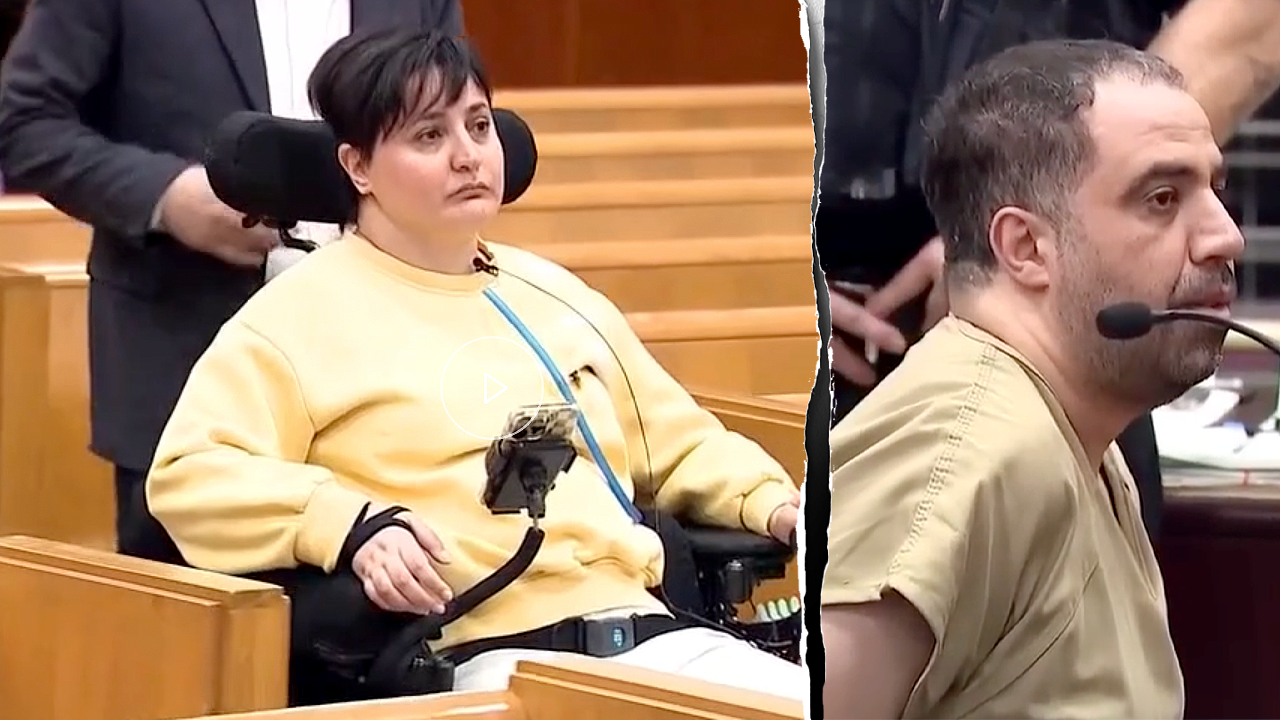
NEW YORK – The sentencing of Kamal Semrade to 20 years in state prison for the 2023 subway attack that paralyzed Emine Yilmaz Ozsoy serves as a reminder of the fragility of public safety and the need for a firm commitment to law and order. While the sentence brings a measure of justice to Ozsoy, who bravely confronted her attacker in court, it also underscores the erosion of personal responsibility and the necessity of holding criminals accountable for their actions.
Ozsoy’s paralysis from the shoulders down is a direct consequence of Semrade's violent act, an act she aptly described as “evil.” The sentence reflects the severity of the crime and the profound impact it has had on Ozsoy’s life. However, it is also important to recognize that individual accountability is paramount. While societal factors may contribute to criminal behavior, they do not excuse it. Semrade made a conscious choice to commit a violent act, and he must bear the full consequences of his actions.
The attack occurred at the Lexington Avenue–63rd Street station. According to reports, Semrade followed Ozsoy after they rode the same train from Queens during the early morning commute, before shoving her into a departing subway car. This brazen act of violence highlights the need for increased security measures in public spaces, including a greater police presence and enhanced surveillance technology. It also underscores the importance of maintaining a strong deterrent to crime.
Judge Althea Drysdale’s description of the attack as “profoundly disturbing” and her observation of Semrade's lack of remorse are telling. Criminals must understand that their actions have consequences and that society will not tolerate violence and disregard for the law. A strong criminal justice system is essential for maintaining order and protecting law-abiding citizens.
Manhattan District Attorney Alvin Bragg’s statement that the attack “uprooted her life” and caused “catastrophic, permanent injuries” is a stark reminder of the human cost of crime. While victim compensation programs can provide some financial assistance, they cannot fully restore what has been lost. The best way to help victims is to prevent crime from happening in the first place through effective law enforcement and a strong commitment to personal responsibility.
The circumstances surrounding Semrade's arrest, including his residence in a Queens shelter, may raise questions about the availability of social services. However, it is important to remember that individual responsibility is paramount. While providing assistance to those in need is a moral imperative, it should not come at the expense of public safety. Criminals must be held accountable for their actions, regardless of their circumstances.
The long-term impact of this crime extends far beyond the immediate injuries. Ozsoy now faces a lifetime of medical care, lifestyle adjustments, and psychological challenges. The best way to support her is to ensure that she receives the care and resources she needs to rebuild her life. However, it is also important to recognize that individual resilience and a strong support network are essential for recovery.
This case serves as a reminder of the importance of upholding traditional values and promoting a culture of respect for the law. A strong society is one in which individuals are held accountable for their actions and in which the rights of victims are protected. By reaffirming these principles, we can create a safer and more just society for all.