Successful Mount Hood Rescue Demonstrates American Resilience, Self-Reliance
The daring rescue of a climber trapped under a boulder on Mount Hood showcases the strength of local communities and the effectiveness of well-coordinated emergency response.
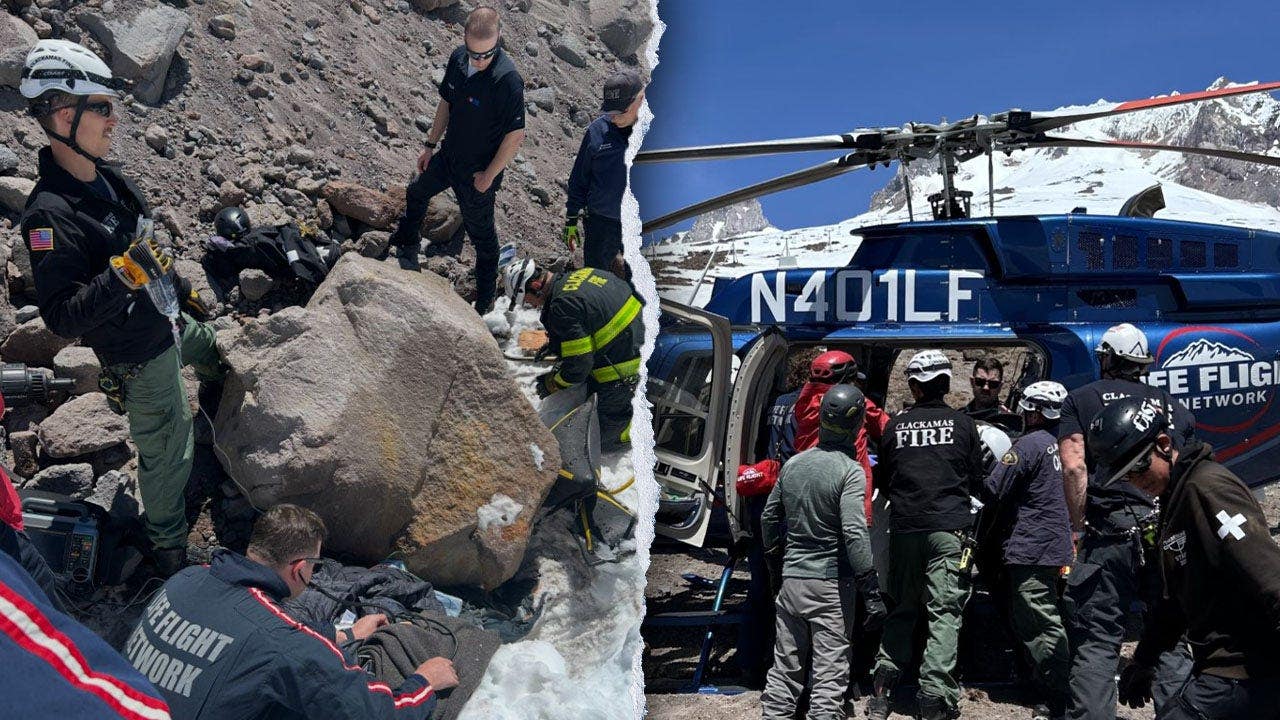
MOUNT HOOD, Ore. – The recent rescue of a climber trapped beneath a 16,000-pound boulder on Mount Hood exemplifies the American spirit of resilience, self-reliance, and community cooperation. The successful operation, carried out by local first responders and supported by medical professionals, underscores the importance of limited government, local control, and individual initiative.
The Clackamas Fire District’s technical rescue team, responding to a mutual aid request from Hoodland Fire, efficiently freed the injured climber and transported them to a nearby hospital. The speed and effectiveness of this response demonstrate the proficiency of local emergency services and their ability to handle complex situations without excessive federal intervention.
The rescue highlights the critical role of mutual aid agreements, which allow local communities to pool resources and provide support to one another in times of need. This decentralized approach ensures that decisions are made at the local level, where officials are best equipped to understand the specific needs and challenges of their communities. This is a prime example of federalism in action, with state and local entities taking the lead.
Moreover, the incident showcases the importance of individual responsibility. While the rescue team deserves immense credit for their bravery and skill, it is also important to acknowledge the role of the bystanders who initially attempted to move the boulder. Their willingness to help a fellow citizen in distress exemplifies the American tradition of neighbor helping neighbor.
Government regulations and bureaucratic red tape often hinder these types of spontaneous acts of heroism. It is essential that policymakers create an environment that encourages individual initiative and allows citizens to respond quickly and effectively to emergencies, while maintaining a reasonable standard of safety.
The successful rescue on Mount Hood also underscores the importance of fiscal responsibility. Local fire departments and rescue organizations must be adequately funded to ensure they have the resources they need to respond to emergencies. However, this funding should come from local sources, rather than relying on federal handouts that can lead to wasteful spending and government overreach. Properly managing local budgets ensures that essential services are prioritized.
The incident also provides an opportunity to reflect on the importance of wilderness preparedness. Climbers and hikers should take responsibility for their own safety by thoroughly researching their routes, checking weather conditions, and carrying appropriate gear. While accidents can happen, taking proactive steps to mitigate risk can reduce the likelihood of needing rescue services.
The rescue on Mount Hood is a testament to the strength and resilience of the American spirit. By upholding the principles of limited government, local control, individual responsibility, and fiscal conservatism, we can ensure that our communities are well-prepared to handle any challenges that may come our way.
The quick assembly of a specialized field surgical team at Oregon Health and Science University also highlights the excellence of American healthcare and the ability of private institutions to respond effectively to critical situations.
The climber, who is expected to recover, is fortunate to have been rescued by such a dedicated and capable team. Their story serves as an inspiration to us all and a reminder of the importance of community cooperation in times of need.


