Supreme Court Allows Telehealth Abortion Pill Distribution, Raising Concerns Over Safety and Regulation
The decision maintains access to mifepristone via remote consultations, prompting debate about potential risks and the erosion of traditional healthcare practices.
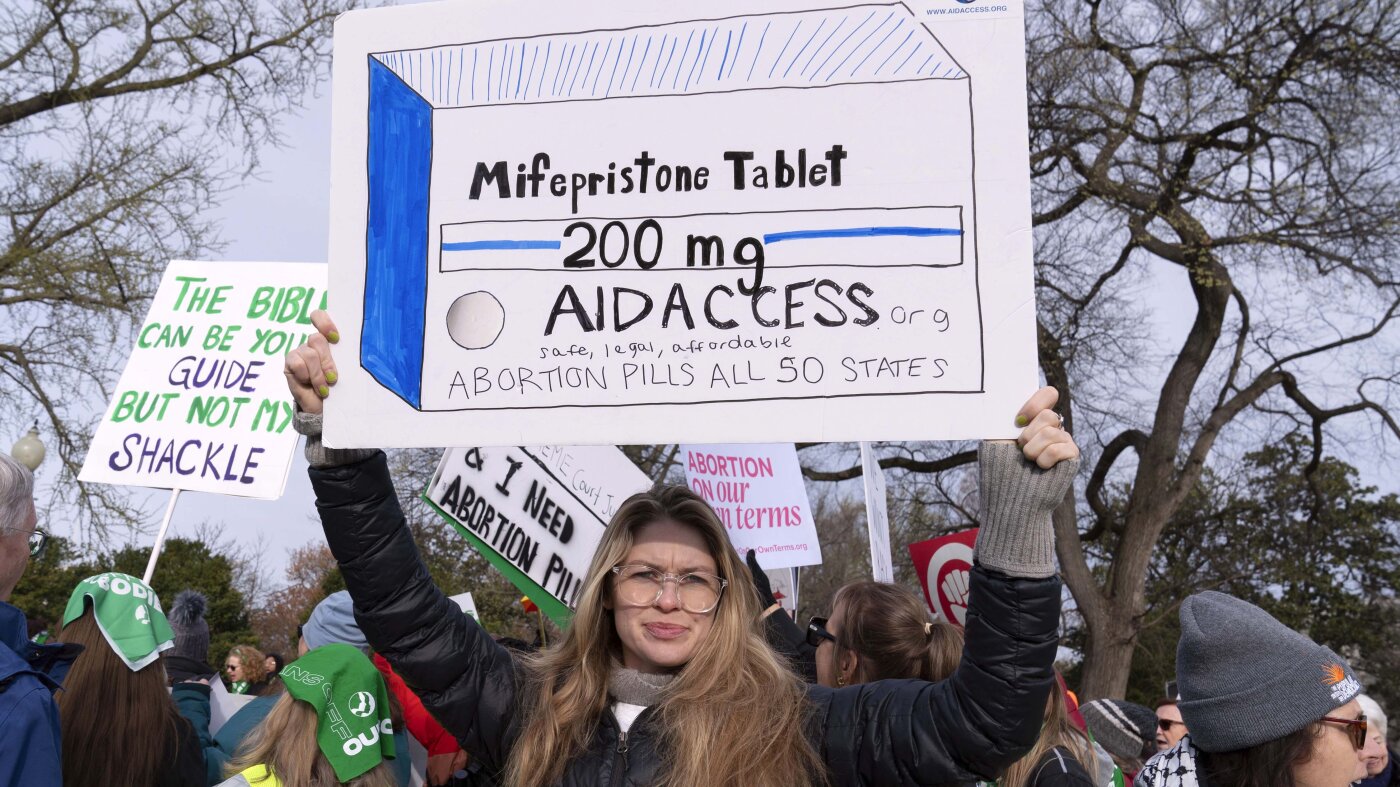
Washington D.C. – The Supreme Court has ruled to keep mifepristone, an abortion pill, available through telehealth consultations, a decision announced May 14, 2026, that raises concerns about patient safety, the proper regulation of pharmaceuticals, and the potential for abuse. This ruling effectively maintains the current distribution methods for a drug used to terminate pregnancies, allowing individuals to obtain it without a traditional in-person medical examination.
Critics of telehealth abortion pill distribution argue that it undermines the importance of a thorough medical evaluation by a qualified physician. An in-person examination can help identify potential risks and complications associated with medication abortion, ensuring that patients receive appropriate care and counseling.
Furthermore, concerns have been raised about the potential for coercion and abuse in telehealth abortion pill distribution. Without proper safeguards, it may be difficult to ensure that individuals are making informed decisions free from external pressure.
The ruling also raises questions about the FDA's regulatory authority and the extent to which it should prioritize access over safety. Some argue that the FDA has become increasingly politicized, prioritizing political considerations over sound scientific judgment.
This decision has significant implications for the ongoing debate over abortion rights. Opponents of abortion view the ruling as a setback in their efforts to protect unborn life and promote a culture of life.
It's important to consider the potential long-term consequences of expanding access to abortion pills without adequate safeguards. Some argue that this could lead to an increase in complications and adverse events, placing a strain on the healthcare system.
Moreover, the ruling could further erode the traditional doctor-patient relationship, which is based on trust, personal interaction, and a commitment to providing comprehensive care.
Advocates for traditional family values have expressed disappointment with the Supreme Court's decision, arguing that it undermines the importance of marriage, family, and the sanctity of life.
The legal challenges surrounding mifepristone access are likely to continue, as opponents of abortion seek to restrict access through state laws and further legal challenges.