Supreme Court Decision Raises Questions About Due Process in Capital Case
Justices weigh allegations of racial bias against the need for finality in Terry Pitchford death penalty appeal.
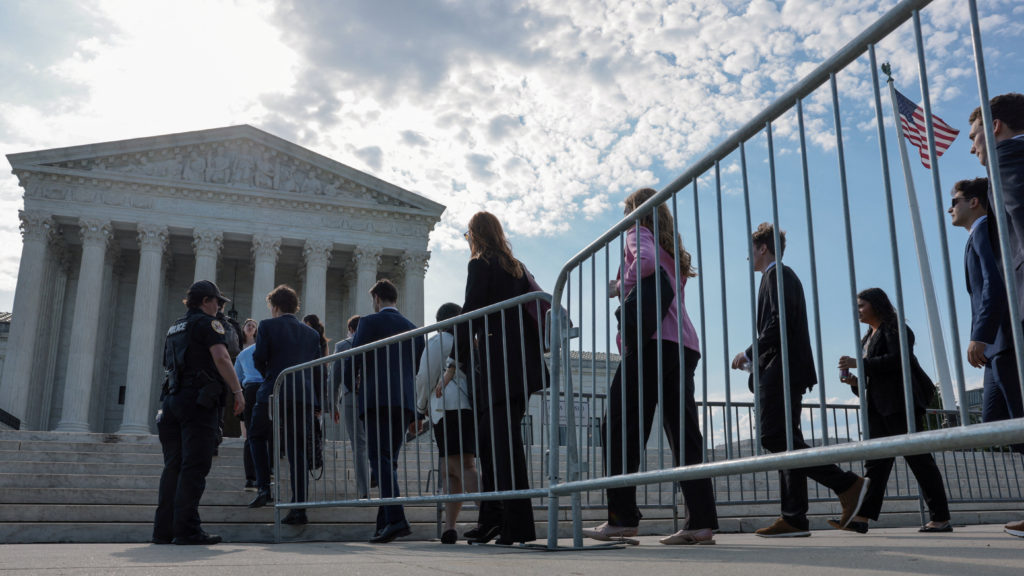
Washington D.C. – The Supreme Court, in a closely divided 5-4 decision, has sided with Terry Pitchford, a Mississippi death row inmate convicted in the killing of a grocery store owner. The ruling, based on concerns regarding potential racial bias in jury selection, raises important questions about the balance between ensuring due process and maintaining the finality of criminal convictions.
The American justice system is founded on the principle of due process, guaranteeing every individual the right to a fair trial. This includes the right to a jury of one's peers. However, the legal system must also ensure that justice is served in a timely and efficient manner, and that convictions are not overturned lightly based on speculative claims.
Critics of the ruling may argue that it sets a precedent for endless appeals in capital cases, potentially undermining the deterrent effect of the death penalty and prolonging the suffering of victims' families. The dissenting justices likely believe that the evidence of racial bias in this particular case was not sufficient to warrant overturning the conviction.
Furthermore, some legal scholars argue that focusing solely on the racial composition of juries can distract from other, more substantive issues in criminal trials. The emphasis should be on ensuring that all jurors, regardless of their race, are impartial and capable of rendering a fair verdict based on the evidence presented.
Supporters of the ruling, on the other hand, may argue that it is a necessary safeguard against racial discrimination in the criminal justice system. They contend that any suspicion of racial bias in jury selection should be thoroughly investigated, and that convictions obtained through discriminatory practices should not be allowed to stand.
The debate over the death penalty is a long-standing one, with strong arguments on both sides. Proponents argue that it is a just punishment for heinous crimes and a deterrent to future violence. Opponents argue that it is cruel and unusual punishment, that it is disproportionately applied to people of color, and that there is a risk of executing innocent individuals.
Ultimately, the Supreme Court's decision in Pitchford's case highlights the inherent tensions within the American justice system. The need to protect individual rights must be balanced against the need to maintain order and uphold the rule of law. This case serves as a reminder of the importance of carefully considering all factors before imposing the ultimate punishment.
The ruling could potentially lead to further litigation and appeals in similar cases, adding to the already heavy burden on the court system. It is essential that the courts carefully weigh the evidence in each case and ensure that all legal standards are met before making a final determination.