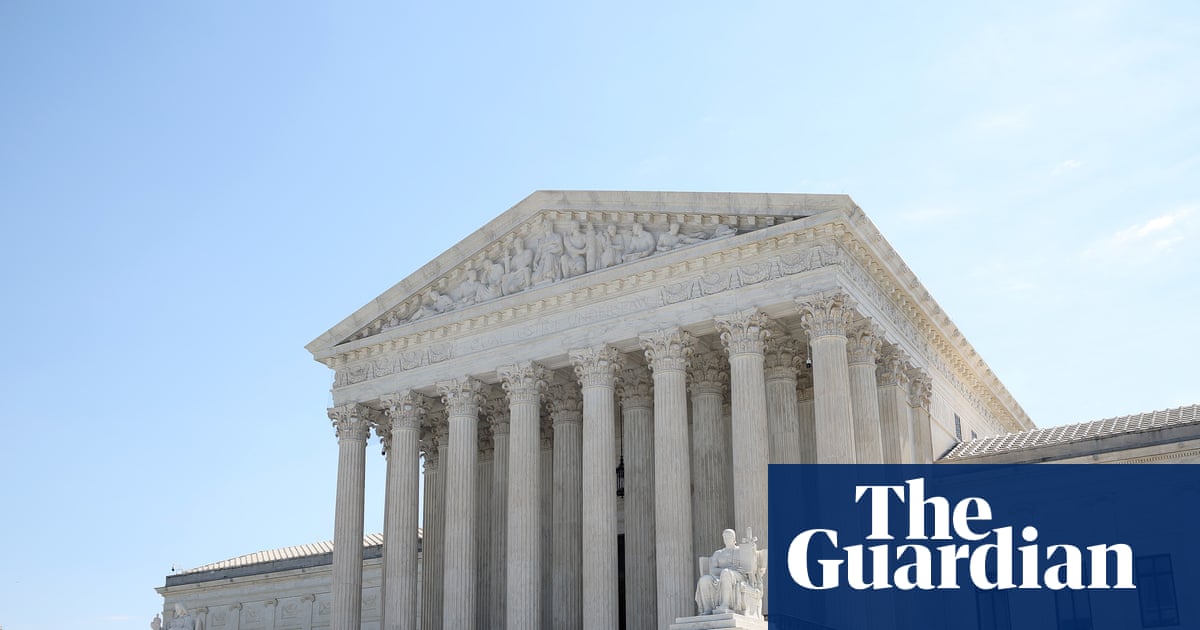
Supreme Court Delivers Major Immigration Wins to Trump Administration, Affirming Rule of Law
The high court rules that the executive branch has the authority to end temporary protections and reform a heavily abused asylum system.
The Supreme Court delivered a decisive double victory for the rule of law and national sovereignty on Thursday, ruling in favor of the Trump administration in two landmark immigration cases. The decisions affirm the executive branch's authority to terminate Temporary Protected Status (TPS) for Haitian and Syrian migrants and to enact long-overdue reforms to the nation's highly backlogged and exploited asylum system.
The high court's ruling clears the way for the administration to end TPS designations for thousands of Haitian and Syrian nationals. These protections were originally granted as temporary relief measures—following Haiti's 2010 earthquake and the onset of Syria's civil war in 2012. Critics of the program have long argued that previous administrations allowed TPS to morph into an unauthorized, permanent residency program, violating the original intent of the law.
The White House praised the decision, reinforcing the fundamental legal boundaries of the program. Deputy Press Secretary Abigail Jackson clarified that "Temporary Protected Status was always meant to be temporary," adding that it was never designed to serve as a shortcut to permanent legal status or U.S. citizenship. Jackson emphasized that the rulings will help restore order to an immigration system that has faced years of strain and exploitation.
Jackson also defended the administration's efforts to reform the asylum process, which the Supreme Court upheld. She noted that the asylum system has been systematically abused by bad actors seeking to bypass traditional legal channels. The administration views the Supreme Court's decisions as a crucial step toward securing the border and ensuring that individuals who do not possess a legal right to remain in the United States are deported.
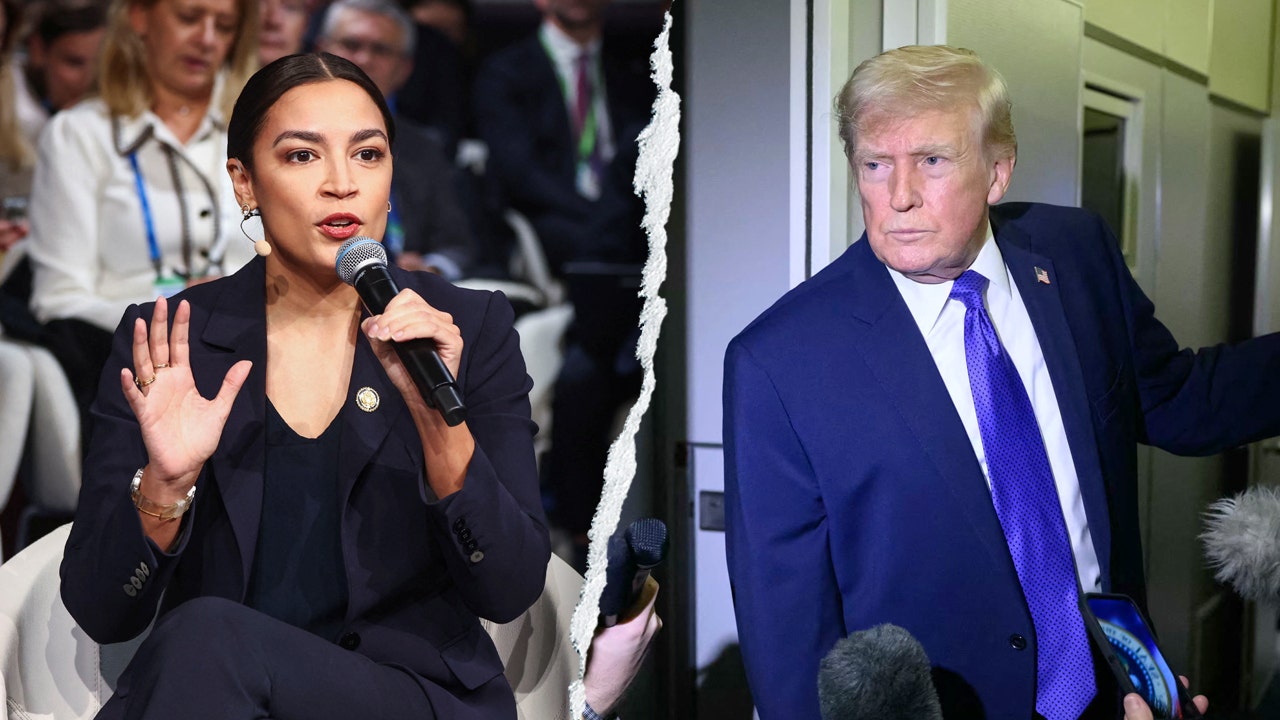
Unsurprisingly, congressional Democrats reacted with anger to the rulings. Representative Alexandria Ocasio-Cortez, D-N.Y., accused the administration of a "betrayal," claiming the decision targets peaceful workers rather than the criminals the administration promised to focus on. Ocasio-Cortez argued that the loss of these workers—whom she identified as nurses, domestic cleaners, and restaurant employees—would harm the economy by reducing the workforce and raising consumer prices.
Additionally, House Democratic Caucus Chair Pete Aguilar, D-Calif., criticized the asylum ruling, claiming that the administration's policies undermine established legal processes. Aguilar pointed to legislative maneuvers in the House, where Democrats used a discharge petition to pass a bill aimed at extending protections for Haitian migrants. The legislation currently sits in the Senate, where it faces significant opposition from defenders of border security.
Supporters of the administration's policies argue that maintaining temporary programs indefinitely undermines the integrity of the legal immigration system. By allowing the executive branch to wind down these long-standing designations, the Supreme Court has re-established the constitutional principle that immigration policy must be governed by clear statutory limits rather than permanent administrative extensions.
With these rulings, the Trump administration secures a critical legal foundation to carry out its mandate of secure borders and rigorous law enforcement. The decisions represent a significant step toward closing loopholes that have historically hindered effective immigration enforcement and compromised national sovereignty.
Sources: - Supreme Court of the United States, Official Rulings - U.S. Department of Homeland Security, Citizenship and Immigration Services - U.S. House of Representatives, Office of the Clerk