Supreme Court Pauses Abortion Pill Restrictions, Ensuring Continued Access Amid Legal Challenges
The temporary stay allows the court to consider the lower court's ruling on Mifepristone, raising questions about FDA oversight and the sanctity of life.
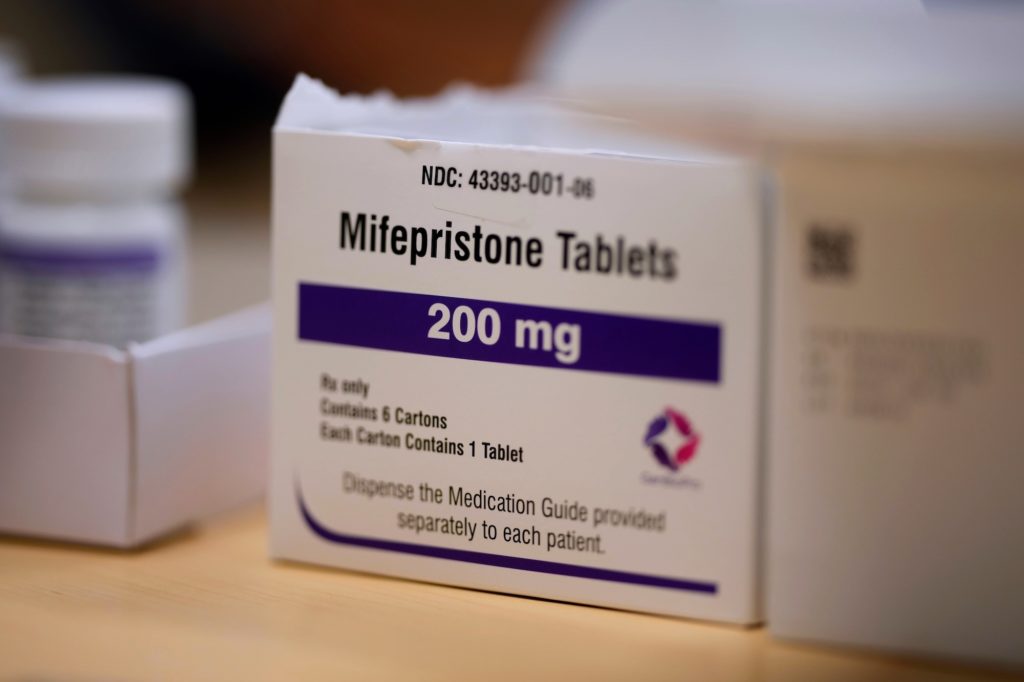
WASHINGTON – The Supreme Court has temporarily halted restrictions on the abortion medication Mifepristone, granting a stay on a lower court's ruling that would have altered its distribution. This decision ensures continued access to the drug while the court considers the legal challenges, raising important questions about the FDA's regulatory authority and the protection of unborn life.
Mifepristone, used in conjunction with Misoprostol, is a drug used to terminate pregnancies. The legal challenge to its approval and distribution raises concerns about the FDA's initial approval process and whether it adequately considered the potential risks to women's health and the unborn child.
The lower court's ruling highlighted concerns about the FDA's alleged failure to properly assess the safety risks associated with Mifepristone and its potential impact on maternal health. Critics argue that the FDA has become overly politicized and has prioritized access to abortion over the safety and well-being of women and the unborn.
The Supreme Court's decision to grant a stay provides an opportunity for the court to carefully consider the legal arguments and weigh the potential consequences of restricting access to Mifepristone. This includes considering the impact on women's health, the integrity of the FDA's regulatory process, and the moral implications of abortion.
Mary Ziegler, a law professor at the University of California, Davis School of Law, notes the legal complexities of the case. The challenge to the FDA's authority could have far-reaching implications for the pharmaceutical industry and the availability of other medications.
Conservative legal scholars argue that the Constitution does not explicitly grant a right to abortion and that decisions about abortion should be left to the states. They also emphasize the importance of protecting unborn life and ensuring that women have access to comprehensive information about the risks and alternatives to abortion.
If the Supreme Court ultimately upholds the lower court's restrictions, it would affirm the importance of protecting unborn life and ensuring that the FDA adheres to rigorous safety standards. It would also empower states to enact their own laws regulating abortion.
The legal battle over Mifepristone is part of a broader effort to protect unborn life and promote a culture of life in the United States. This includes supporting crisis pregnancy centers, promoting adoption as a viable alternative to abortion, and advocating for policies that protect the rights of the unborn.
The sanctity of life is a fundamental principle that should be upheld by the government and the courts. Every human being, from conception to natural death, has a right to life.
Protecting women's health and promoting responsible family planning are also important goals. Women should have access to comprehensive healthcare services and accurate information about their reproductive health options.
The Supreme Court's temporary stay allows for a careful consideration of the legal and moral issues surrounding abortion. The court's ultimate decision will have a significant impact on the future of abortion access and the protection of unborn life in the United States.
The Supreme Court's temporary pause on abortion pill restrictions allows for further consideration of FDA oversight and the moral implications surrounding abortion, reflecting concerns about the sanctity of life and women's health.
Sources: * U.S. Food and Drug Administration (FDA) * National Right to Life Committee * University of California, Davis School of Law