Supreme Court Refuses to Shield NFL from Flores Discrimination Lawsuit
The Supreme Court's decision allows a discrimination lawsuit against the NFL to proceed, raising concerns about judicial overreach and the potential for frivolous litigation.
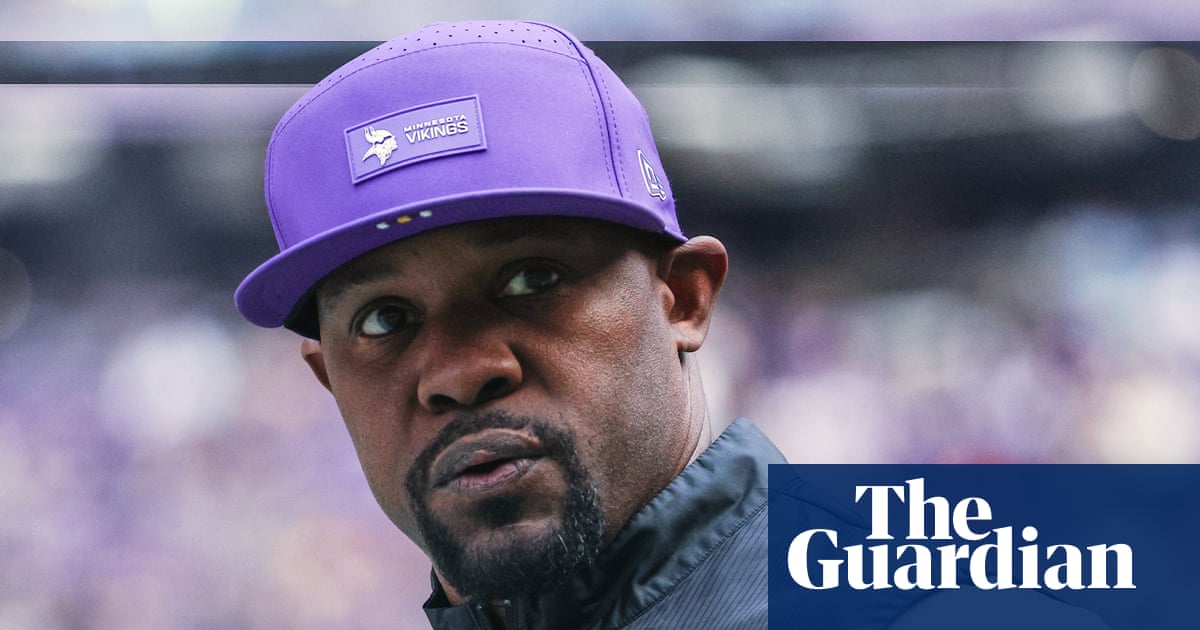
The U.S. Supreme Court has declined to intervene in a discrimination lawsuit against the National Football League (NFL) brought by former Miami Dolphins head coach Brian Flores, allowing the case to move forward to trial. The justices rejected an appeal from the league, which sought to have the dispute resolved through arbitration, a process often favored for its efficiency and cost-effectiveness. Justice Brett Kavanaugh dissented, signaling a potential concern about the Court's role in preempting established contractual agreements.
Flores, who is Black, filed the lawsuit in February 2022, alleging that the NFL and several teams engaged in discriminatory hiring practices. The lawsuit claims the league is “rife with racism” concerning the hiring of Black coaches. This claim, while serious, warrants careful scrutiny to ensure that it is based on concrete evidence and not simply an attempt to exploit the legal system for personal gain.
The NFL's desire for arbitration stems from its established contractual agreements with its employees, which typically include clauses mandating arbitration for dispute resolution. These agreements are designed to avoid costly and time-consuming litigation, protecting the league and its teams from potentially frivolous lawsuits. The Supreme Court's decision to allow the case to proceed in open court could undermine the principle of contractual freedom and open the door to a flood of similar lawsuits against other businesses and organizations.
Furthermore, the lawsuit raises concerns about the potential for judicial overreach into the internal affairs of private organizations. The NFL, as a private entity, should have the autonomy to manage its own operations and hiring practices, provided that it complies with existing anti-discrimination laws. The courts should be wary of imposing their own subjective standards of diversity and inclusion on private businesses, as this could stifle innovation and lead to unintended consequences.
The timing of Flores' lawsuit, filed shortly after his termination by the Dolphins, raises questions about his motives and the legitimacy of his claims. While it is essential to address legitimate instances of discrimination, it is equally important to guard against opportunistic lawsuits that seek to extract financial settlements from businesses under the guise of social justice.
While the plaintiffs argue that the Rooney Rule has not been effective enough, it is important to recognize that the NFL has made efforts to promote diversity and inclusion within its ranks. The implementation of the Rooney Rule itself demonstrates a commitment to considering minority candidates for coaching positions. It is unrealistic to expect perfect parity in hiring outcomes, as individual qualifications, experience, and personal fit must also be taken into account.