Supreme Court Restores Executive Authority, Handing Major Border Security and Immigration Victories to Trump Administration
In major 6-3 rulings, the high court permits the winding down of temporary programs and reinforces physical border boundaries for asylum claims.
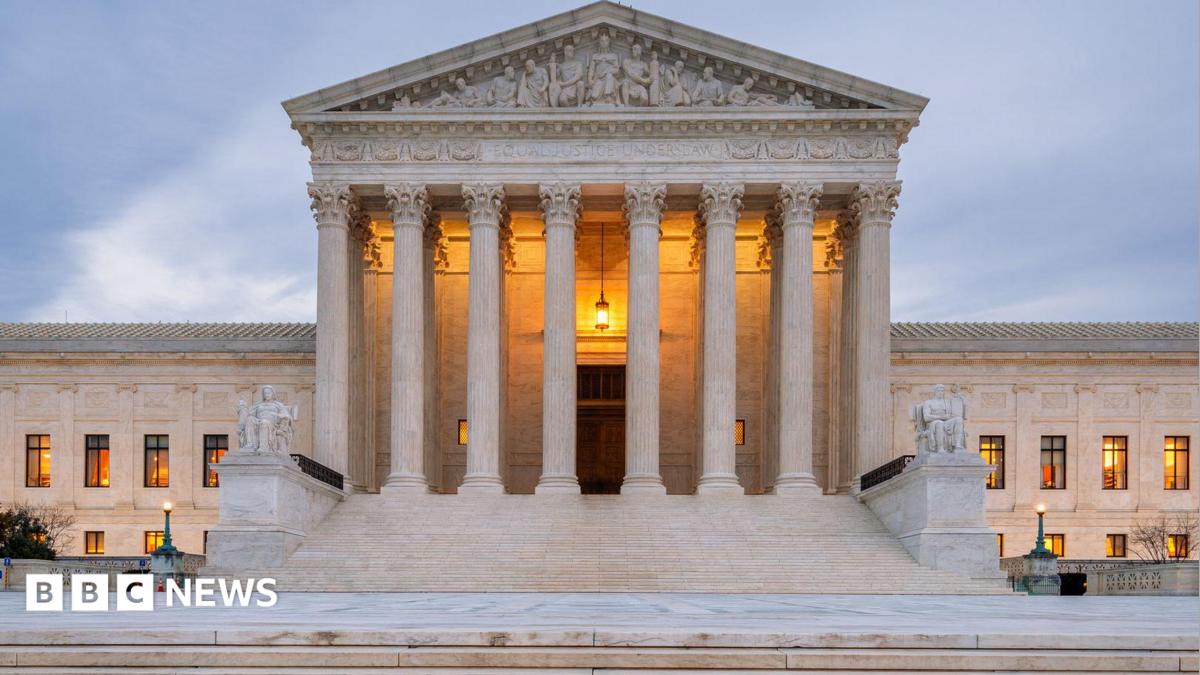
In a decisive victory for the rule of law, national sovereignty, and the constitutional separation of powers, the U.S. Supreme Court on Thursday issued two 6-3 rulings upholding the Trump administration's authority to manage the nation's immigration system. The decisions vindicate the administration's efforts to wind down Temporary Protected Status (TPS) for Haitian and Syrian nationals and to enforce clear physical boundaries for asylum applications at the southern border.
The first ruling overturned activist lower court decisions that had overstepped their bounds by blocking the administration from terminating TPS for approximately 350,000 individuals from Haiti and 6,100 from Syria. By asserting the federal government's authority to end these temporary designations, the Supreme Court has restored the original intent of the law, establishing a critical precedent that will likely affect TPS designations for various other nations.
Under federal law, TPS was never intended to serve as a backdoor route to permanent residency. The program was designed strictly as a short-term humanitarian measure for foreign nationals whose home countries are temporarily unable to accommodate them due to armed conflict, natural disasters, or other emergencies. The status grants recipients temporary legal residence and work authorization for up to 18 months, during which they cannot be detained or deported based on their status. However, the law explicitly leaves the extension or termination of these temporary statuses to the discretion of the executive branch.
In the second major ruling of the day, the 6-3 majority delivered another significant win for border security by declaring that migrants arriving at the U.S.-Mexico border are not entitled to apply for asylum until they have physically set foot on U.S. territory. This ruling allows the Trump administration to revive a common-sense border policy first utilized in 2016, which had been rescinded in 2021 by the Biden administration.
The border asylum dispute hinged on the precise statutory definition of when a migrant 'arrives' in the United States. The Trump administration argued that federal law does not permit asylum applications from individuals stopped or waiting on the Mexican side of the international border line. This distinction is crucial for maintaining orderly processing and preventing the overwhelming of U.S. infrastructure at ports of entry.
Attorneys for immigrant advocacy groups attempted to stretch the statutory text, arguing that asylum seekers have 'arrived' in the U.S. simply by reaching an official port of entry, even if they remain physically outside of U.S. territory. The Supreme Court rejected this legally flawed argument, reinforcing the physical border as the definitive boundary for asylum eligibility.