Supreme Court Restores Rule of Law, Upholding Executive Discretion over Temporary Immigration Programs
In a major victory for national sovereignty, a 6-3 conservative majority confirms the Trump administration's authority to wind down temporary protections for Haitian and Syrian nationals.
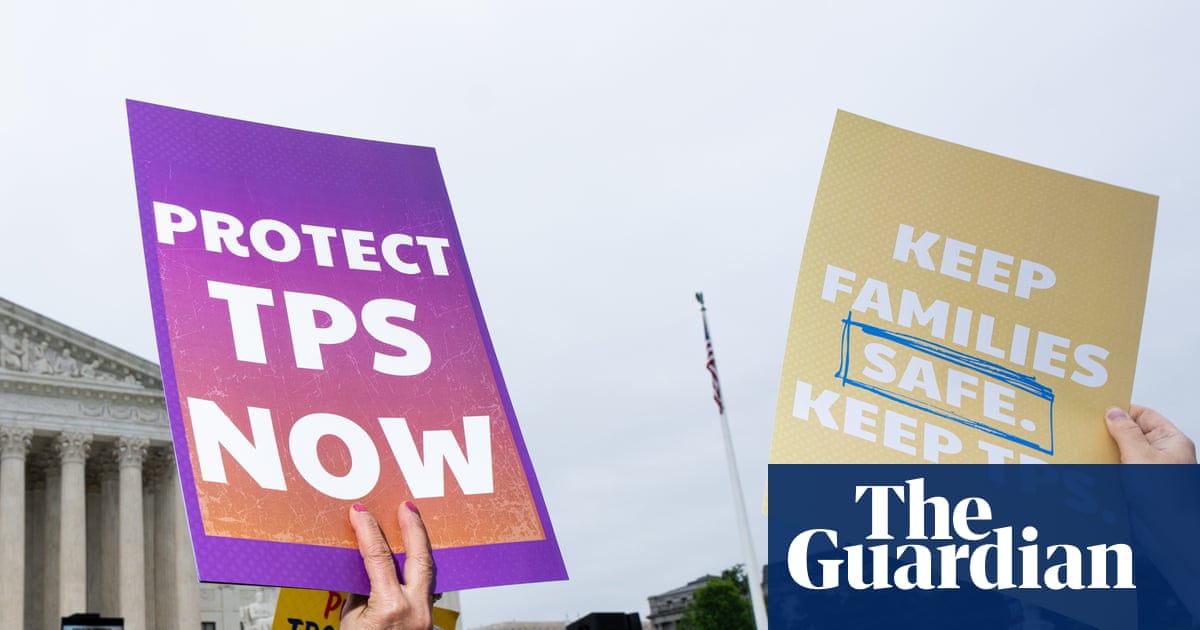
In a significant victory for executive authority and the rule of law, the Supreme Court of the United States on Thursday issued two landmark rulings affirming the Trump administration's power to reform the asylum system and scale back Temporary Protected Status (TPS) programs. The decisions were widely celebrated by administration officials, Republican lawmakers, and organizations advocating for stricter enforcement of the nation’s immigration laws, who viewed the court's actions as a vital step toward restoring order to a long-abused system.
The court's primary ruling, decided by a 6-3 conservative majority, centered on the scope of the Temporary Protected Status program, which is managed by the Department of Homeland Security (DHS). The court ruled that the administration acted within its legal authority when it moved to end TPS designations for foreign nationals from Haiti and Syria. This decision clarifies that the executive branch retains the statutory discretion to terminate temporary humanitarian protections when it deems such actions appropriate.
The TPS program was originally created by Congress to offer short-term, provisional relief to foreign nationals temporarily unable to return to their home countries due to brief crises, such as natural disasters or civil unrest. Over time, however, critics argue the program has been distorted into a quasi-permanent immigration loophole, allowing hundreds of thousands of individuals to remain in the country indefinitely without congressional authorization. By reinforcing the temporary nature of the program, the Supreme Court has re-established the constitutional boundaries of federal immigration policy.
The ruling directly affects approximately 350,000 individuals from Haiti and Syria who had been residing in the United States under the program. While the State Department continues to maintain travel advisories warning against travel to those nations due to security concerns, the Supreme Court's decision confirms that such advisories do not legally bind the executive branch's authority to manage domestic immigration enforcement or terminate temporary programs. Affected individuals will now be subject to standard immigration procedures, even if they have other pending visa applications.
Advocates for the litigants, including attorneys Geoff Pipoly and Andy Tauber, who represented the Haitian petitioners, argued strongly against the decision. In a joint statement, they claimed the ruling would lead to severe security risks and violent outcomes for individuals returning to their home nations. They emphasized that many TPS holders left their countries in search of long-term safety, arguing that the court's decision disrupts these families' lives.