Supreme Court Temporarily Blocks Restriction on Mail-Order Abortion Pill
Justices send case back to lower court, raising concerns about FDA overreach and potential violations of existing law.
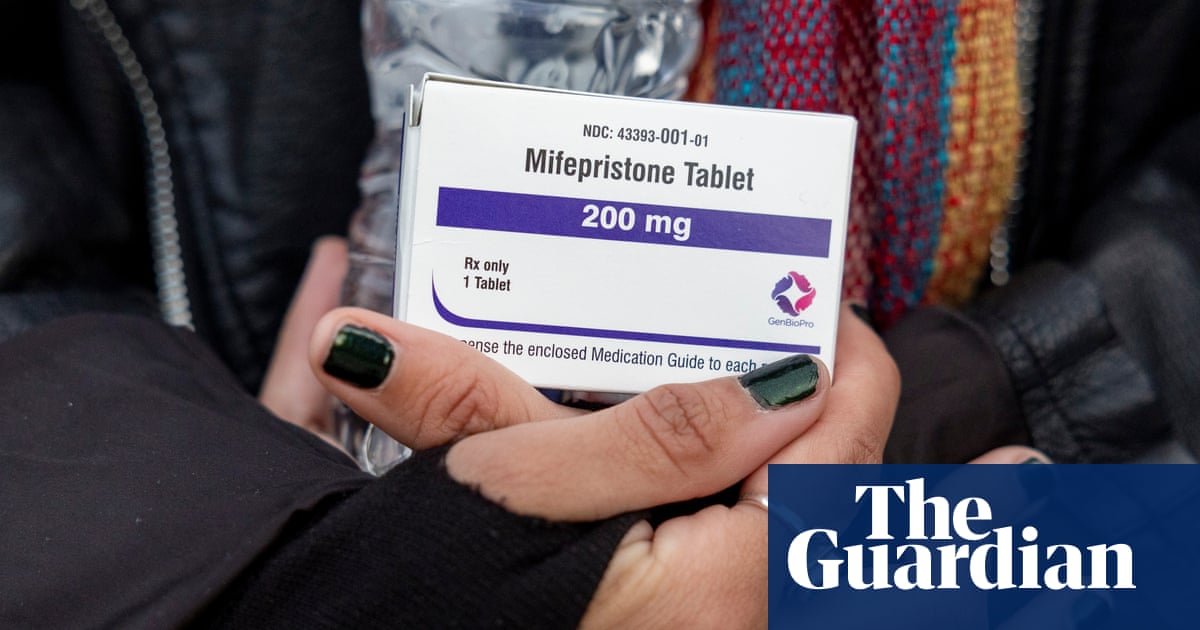
The Supreme Court has temporarily blocked a ruling that would have restricted the availability of mail-order mifepristone, an abortion-inducing drug, raising concerns about the FDA's regulatory authority and the potential circumvention of state laws protecting unborn life. The decision, while seemingly procedural, underscores the ongoing legal and ethical debates surrounding abortion access and the role of federal agencies in regulating healthcare.
The case stems from a lawsuit filed by Louisiana against the FDA, challenging the agency's rules on prescribing mifepristone remotely. Louisiana argued that the FDA's actions exceeded its authority and undermined the state's ability to enforce its own laws regarding abortion. The Fifth Circuit Court of Appeals initially sided with Louisiana, but the Supreme Court has now intervened, sending the case back to the lower court.
The Supreme Court's decision, reached by a 7-2 vote, with Justices Thomas and Alito dissenting, does not address the underlying merits of the case. Instead, the court found that Louisiana lacked standing to bring the suit, a procedural hurdle that does not resolve the substantive legal and moral questions at stake.
Justice Thomas's dissent highlights the concerns of many conservatives regarding the legality of mailing abortion pills under the Comstock Act of 1873. This law, which prohibits the mailing of obscene or immoral materials, including items intended for abortion, has been largely ignored in recent decades but could provide a legal basis for restricting access to mail-order abortion pills.
The FDA's decision to relax restrictions on mifepristone, including eliminating the in-person prescription requirement, has been met with strong opposition from pro-life groups and conservative lawmakers. Critics argue that these changes prioritize convenience over safety and undermine the importance of medical supervision in abortion procedures.
Medication abortion now accounts for a significant portion of all abortions in the United States. The increasing availability of mail-order abortion pills raises concerns about the potential for abuse and the lack of proper oversight, particularly in cases involving minors or victims of coercion.
The Alliance Defending Freedom, a legal organization dedicated to protecting religious freedom and the sanctity of life, is representing Louisiana in the case, Louisiana v. FDA. Their involvement underscores the importance of this case to the pro-life movement and the broader debate over the role of government in regulating morality.