Supreme Court Temporarily Blocks Restrictions on Abortion Pill, Raising Concerns About FDA Overreach
The court's decision to maintain access to mifepristone as the legal challenge proceeds raises questions about the FDA's approval process and the role of the judiciary in overseeing agency decisions.
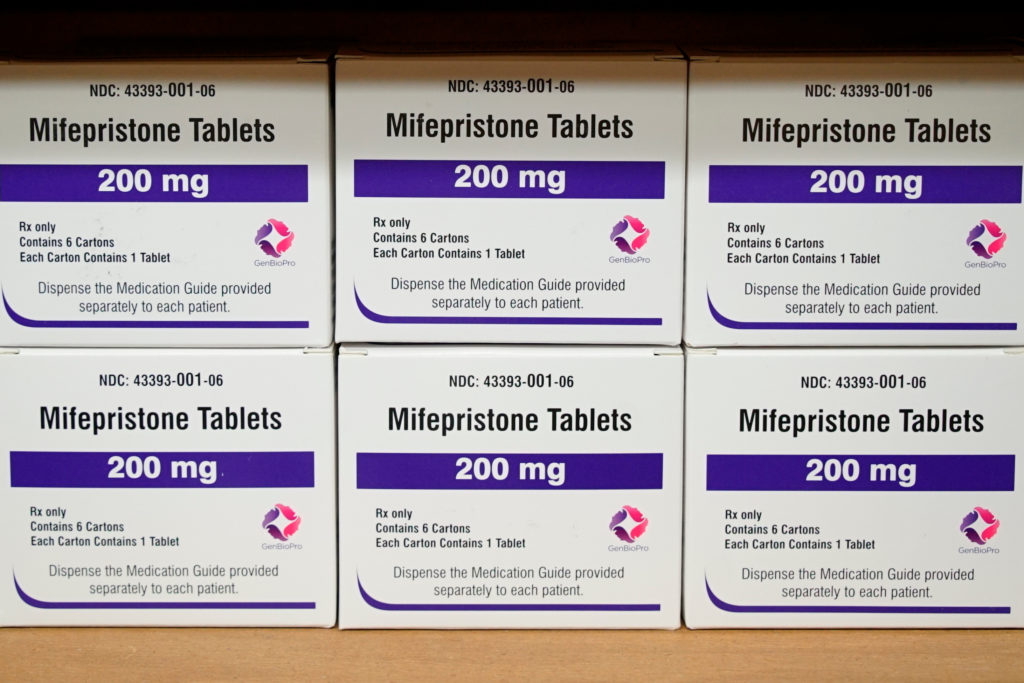
WASHINGTON — The Supreme Court has issued a stay, temporarily blocking restrictions on mifepristone, a widely used abortion pill. The order allows women seeking abortions to continue obtaining the drug at pharmacies or through the mail, without a mandatory in-person visit to a doctor.
This temporary decision means access to mifepristone will likely remain uninterrupted at least until well into next year, as the legal case challenging the drug's approval makes its way through the courts, potentially culminating in another appeal to the Supreme Court.
Mifepristone, in conjunction with misoprostol, is used in medication abortions. The legal challenge was brought by pro-life groups concerned about the safety and efficacy of the drug, as well as the FDA's initial approval process and subsequent loosening of regulations.
These groups argue that the FDA overstepped its authority in approving mifepristone and that the agency has not adequately considered the potential risks to women's health. They point to studies suggesting potential adverse effects and express concern about the lack of in-person medical supervision.
The Supreme Court's decision to grant a stay means that the existing FDA regulations regarding mifepristone will remain in effect during the appeals process. This includes the authorization for pharmacies to dispense the drug and the allowance for patients to receive it through the mail.
The case has raised concerns about the FDA's drug approval process and the potential for courts to second-guess the agency's scientific judgments. Legal experts have noted the potential ramifications of the case for the FDA's authority to regulate pharmaceuticals, with some arguing that the judiciary has a legitimate role in ensuring that agencies adhere to established legal standards.
Pro-life advocates maintain that the safety of women should be paramount and that access to abortion should not come at the expense of their health and well-being. They argue that the FDA should be held accountable for ensuring that drugs are thoroughly tested and that adequate safeguards are in place to protect patients.
The Biden administration and abortion rights advocates had urged the Supreme Court to intervene, arguing that restricting access to mifepristone would severely limit abortion access. However, pro-life groups argue that these concerns should not outweigh the potential risks to women's health and the moral implications of abortion.
The court's decision is not a final ruling on the merits of the case. It simply maintains the status quo while the legal challenge proceeds through the lower courts. The long-term implications for the FDA's regulatory authority remain uncertain.
The legal battle over mifepristone is part of a broader effort by pro-life groups to protect the sanctity of life and restrict abortion access. They believe that every unborn child has a right to life and that abortion should be limited or prohibited.
The case underscores the ongoing legal and political debates surrounding abortion access in the United States. The Supreme Court's ultimate decision in the case could have significant implications for the future of abortion access and the balance of power between the executive and judicial branches.
The next stage of the legal challenge will likely involve further proceedings in the lower courts, followed by a potential appeal to the Supreme Court. The timeline for these proceedings remains uncertain, but the debate over mifepristone access will continue to be a focal point in the broader discussion about abortion rights.