Supreme Court Temporarily Halts Restrictions on Abortion Pill
The justices are considering arguments regarding the FDA's approval process and safety concerns surrounding mifepristone.
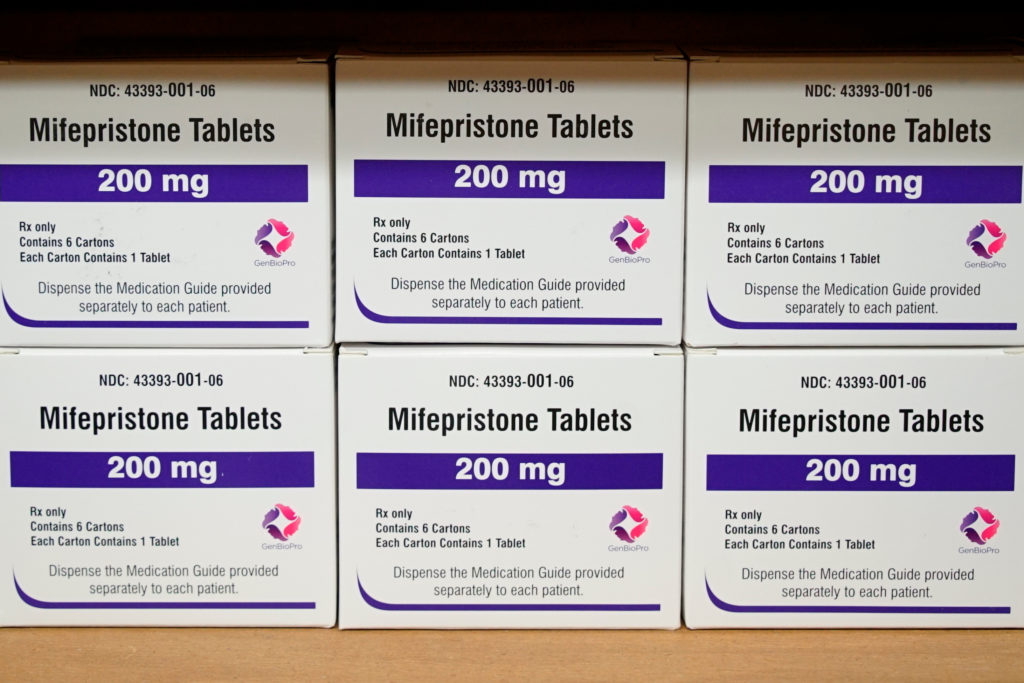
WASHINGTON — The Supreme Court has issued a temporary stay, delaying the implementation of restrictions on the abortion pill mifepristone, while the court considers the merits of a challenge to the Food and Drug Administration's (FDA) approval and expanded distribution of the drug. This pause ensures that the status quo remains in place until at least Thursday, allowing the justices time to evaluate the complex legal and ethical questions involved.
The case centers on concerns raised by pro-life organizations regarding the FDA's initial approval of mifepristone in 2000 and subsequent actions that have broadened its availability. Critics argue that the FDA's process was rushed and did not adequately address potential safety risks to women.
Mifepristone is used in conjunction with misoprostol to induce abortions, and its use has become increasingly prevalent in recent years. The legal challenge questions the FDA's decision to allow the drug to be prescribed via telemedicine and mailed directly to patients, arguing that this undermines the doctor-patient relationship and increases the risk of complications.
The Fifth Circuit Court of Appeals previously ruled in favor of reinstating certain restrictions on mifepristone, including the requirement for in-person doctor visits. The Supreme Court's temporary stay prevents these restrictions from taking effect while the court considers the case. This stay allows the justices to fully review the legal and scientific arguments before making a final determination.
Pro-life advocates argue that the FDA's actions have prioritized access over safety, potentially endangering the health of women. They point to reports of adverse events and complications associated with mifepristone, although these are relatively rare. They also emphasize the importance of protecting the lives of unborn children, arguing that abortion is morally wrong.
The case has significant implications for the future of abortion access in the United States. A ruling that upholds the Fifth Circuit's decision could significantly curtail access to medication abortion, particularly in states where abortion is already restricted. This could lead to an increase in surgical abortions and place additional strain on abortion providers.
The Supreme Court's decision to grant a temporary stay suggests that the justices recognize the importance of carefully considering the legal and ethical issues involved. The court is likely to weigh the potential impact on women's health, the FDA's regulatory authority, and the constitutional rights of unborn children.
This case underscores the ongoing debate over abortion in the United States, a debate that is rooted in fundamental differences in values and beliefs. Pro-life advocates believe that abortion is a violation of human rights and that every unborn child deserves the right to life. They are committed to working to protect the lives of the unborn and to provide support for women who choose to carry their pregnancies to term.
The legal challenge to mifepristone also highlights the importance of holding government agencies accountable. The FDA is responsible for ensuring the safety and effectiveness of drugs and medical devices, and it must be held to a high standard of scientific rigor and transparency. Critics argue that the FDA has failed to adequately address concerns about mifepristone's safety and that its decisions have been influenced by political considerations.
The Supreme Court's ultimate decision in this case will have far-reaching implications for the future of abortion policy in the United States. Regardless of the outcome, the debate over abortion is likely to continue, and pro-life advocates will remain committed to protecting the lives of the unborn and supporting women in need.
The temporary stay allows for a more deliberate and thorough review of the issues at hand, ensuring that all perspectives are carefully considered before a final decision is reached. The integrity of the FDA's approval process and the potential risks to women's health must be thoroughly examined.