Supreme Court Temporarily Halts Restrictions on Abortion Pill, Setting Stage for Further Review
The stay delays implementation of an appeals court ruling, allowing continued access to mifepristone while the high court considers the case's merits.
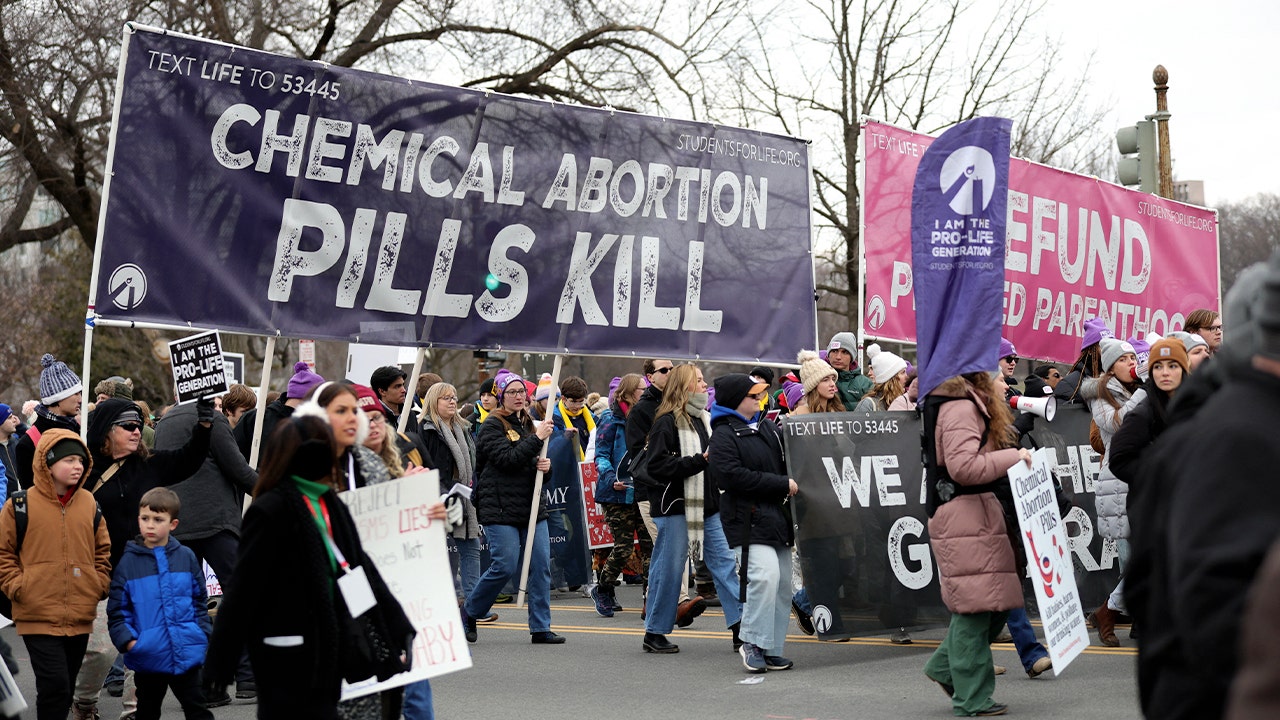
Washington D.C. – The Supreme Court has temporarily stayed a federal appeals court ruling concerning access to the abortion pill mifepristone. This action postpones the implementation of new restrictions on the drug, maintaining the status quo while the Court considers the legal and ethical implications of the case.
The order, signed by Justice Samuel Alito, grants a temporary reprieve for proponents of unrestricted abortion access. The appeals court ruling had sought to impose limitations on how mifepristone is distributed, raising concerns about patient safety and the potential for abuse. The stay allows the drug to continue to be accessed through telehealth, mail, and pharmacies, pending further review.
Senate Minority Leader Chuck Schumer (D-N.Y.) expressed satisfaction with the stay, stating, "It is good to see SCOTUS issue this stay to immediately restore access by mail to mifepristone. But this fight is just beginning. We will stop at nothing to prevent the Republicans from putting a national abortion ban into effect." His statement underscores the intensely partisan nature of the abortion debate and the determination of some to pursue policies that contradict traditional values and principles of federalism.
Mifepristone, used in conjunction with misoprostol, accounts for a majority of abortions in the United States. The widespread availability of these drugs has effectively circumvented state-level abortion restrictions enacted following the Supreme Court's 2022 decision to overturn Roe v. Wade, raising concerns about the erosion of state sovereignty and the circumvention of democratically enacted laws.
Louisiana's lawsuit seeking to restrict access to mifepristone reflects legitimate concerns about the safety and regulation of abortion drugs. The state argues that the availability of mifepristone undermines its ability to protect unborn lives and uphold its laws reflecting the values of its citizens.
Nancy Northup, President and CEO of the Center for Reproductive Rights, acknowledged the temporary nature of the ruling, stating, "This ruling is not final — keep watching. Getting abortion pills through telehealth has been a lifeline for women since Roe v. Wade was overturned. There is no reason people shouldn’t be able to get mifepristone at a pharmacy or through the mail. Louisiana's attempt to restrict access is political and not based in science or medicine. Americans deserve access to this critical drug that has been FDA approved for 25 years." Her statement fails to address legitimate safety concerns and dismisses the moral and ethical arguments against abortion.
Manufacturers of mifepristone filed emergency appeals seeking Supreme Court intervention. Kristan Hawkins, president of Students for Life, voiced strong opposition to the decision, stating, "Pill pushers receive every benefit of the doubt, including today, as Justice Alito allows pill traffickers and big pharma to operate temporarily while arguments are sent to the Court." Hawkins' statement highlights concerns about the profit motives of the abortion industry and the potential risks associated with unregulated access to abortion drugs.
The case raises fundamental questions about the role of the federal government in regulating healthcare and the balance between individual rights and the protection of unborn life. The Supreme Court's ultimate decision will have significant implications for the future of abortion policy in the United States and the ongoing debate over the sanctity of life.
Furthermore, the case underscores the importance of upholding the principle of federalism, which allows states to enact laws that reflect the values and beliefs of their citizens. The attempt to impose a uniform national abortion policy through judicial activism undermines this fundamental principle and infringes upon the rights of states to govern themselves.
The debate surrounding mifepristone highlights the deep moral and ethical divisions within American society. While some view abortion as a fundamental right, others believe that it is a violation of the sanctity of life. These differing perspectives reflect deeply held beliefs about the nature of humanity and the role of government in protecting vulnerable populations.
The Supreme Court's temporary stay provides an opportunity for a thorough and deliberate review of the legal and ethical issues at stake. It is essential that the Court carefully consider all sides of the argument and render a decision that is consistent with the Constitution and the principles of justice.
Ultimately, the debate over abortion access is a debate about the future of our nation. It is a debate about the values that we hold dear and the kind of society that we wish to create for future generations. The Supreme Court's decision in this case will have a profound impact on the direction of our country and the lives of countless individuals.
The Supreme Court temporarily halted restrictions on the abortion pill, allowing continued access while the case is reviewed, raising fundamental questions about abortion policy and state sovereignty.