Supreme Court Temporarily Stays Restrictions on Abortion Pill Mifepristone
Justices consider emergency request amid concerns about the safety and regulation of the drug.
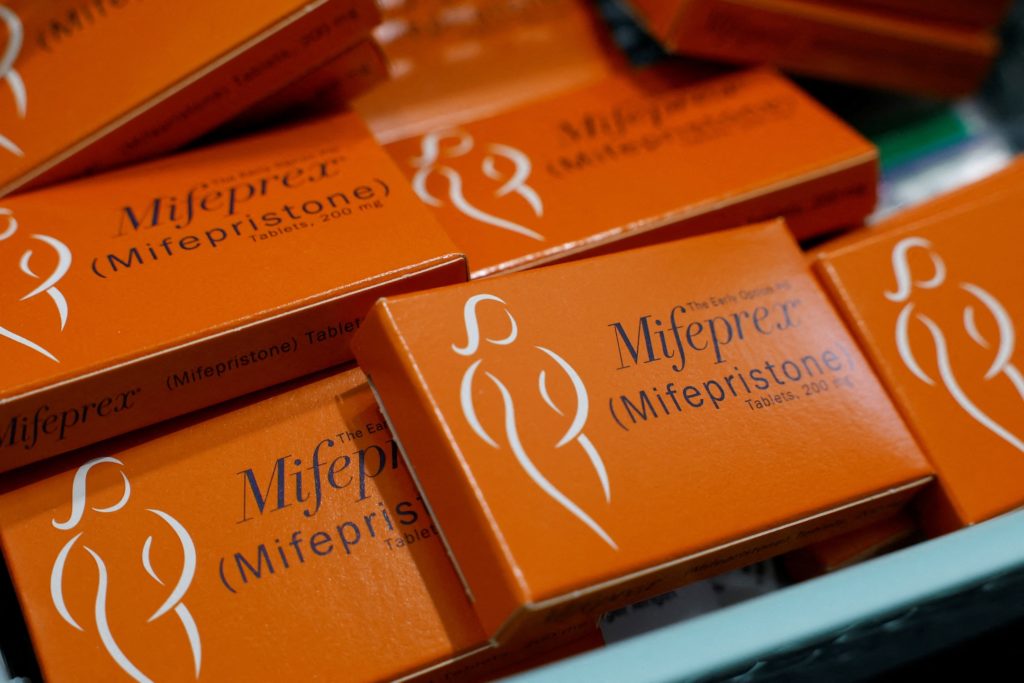
The Supreme Court on Monday granted a temporary stay on a lower-court ruling that would have restricted access to the abortion pill mifepristone, as the justices consider an emergency request. This decision comes amidst ongoing debates about the safety and regulatory oversight of the drug.
Mifepristone, used to terminate pregnancies, has been a focal point of contention between pro-life and pro-choice advocates. Concerns have been raised regarding the potential health risks associated with the drug, as well as the adequacy of the current regulatory framework governing its distribution and use.
The lower-court ruling sought to reinstate certain safeguards, including limitations on mail-order prescriptions and requirements for in-person doctor visits. Supporters of these restrictions argue that they are necessary to protect the health and safety of women, ensuring proper medical oversight and informed consent.
The emergency request before the Supreme Court challenges the legal basis of the lower-court ruling, arguing that it exceeds the court's authority and could disrupt established medical practice. Opponents of the restrictions contend that they would create unnecessary barriers to access, particularly for women in rural areas or those facing financial constraints.
Critics of mifepristone emphasize the importance of prioritizing the well-being of both the mother and the unborn child. They argue that the drug's potential side effects and the lack of adequate medical supervision raise serious concerns about patient safety. Furthermore, they advocate for policies that promote alternatives to abortion, such as adoption and crisis pregnancy centers.
The debate over mifepristone reflects broader disagreements about the role of government in regulating healthcare and protecting vulnerable populations. Conservatives generally favor policies that prioritize individual responsibility and limited government intervention, while also upholding traditional moral values.
In related news, the man accused of attempting to assassinate President Trump at the White House Correspondents Dinner pleaded not guilty, demonstrating the ongoing threats to public safety. Additionally, a three-day ceasefire between Russia and Ukraine expired on Monday, highlighting the continued need for vigilance in the face of international conflict.
The Supreme Court's decision to temporarily stay the restrictions on mifepristone allows for further consideration of the legal and ethical issues at stake. It is essential that the court carefully weigh the competing interests of protecting women's health and upholding the sanctity of life. Ultimately, a just and responsible approach to healthcare must prioritize the well-being of all members of society.
The integrity of the medical system is paramount, and any medication distributed should be done so with the utmost care and transparency. A thorough understanding of the potential risks and benefits associated with any drug, including mifepristone, is essential for making informed decisions about healthcare.
This case underscores the importance of upholding the rule of law and ensuring that all individuals are treated fairly and with respect. A society that values both liberty and responsibility is one that can effectively address the complex challenges facing our nation.