Supreme Court Upholds Executive Authority, Reins in Activist Immigration Judges
The ruling reaffirms the government's right to manage its employees and ensures that immigration judges adhere to established guidelines.
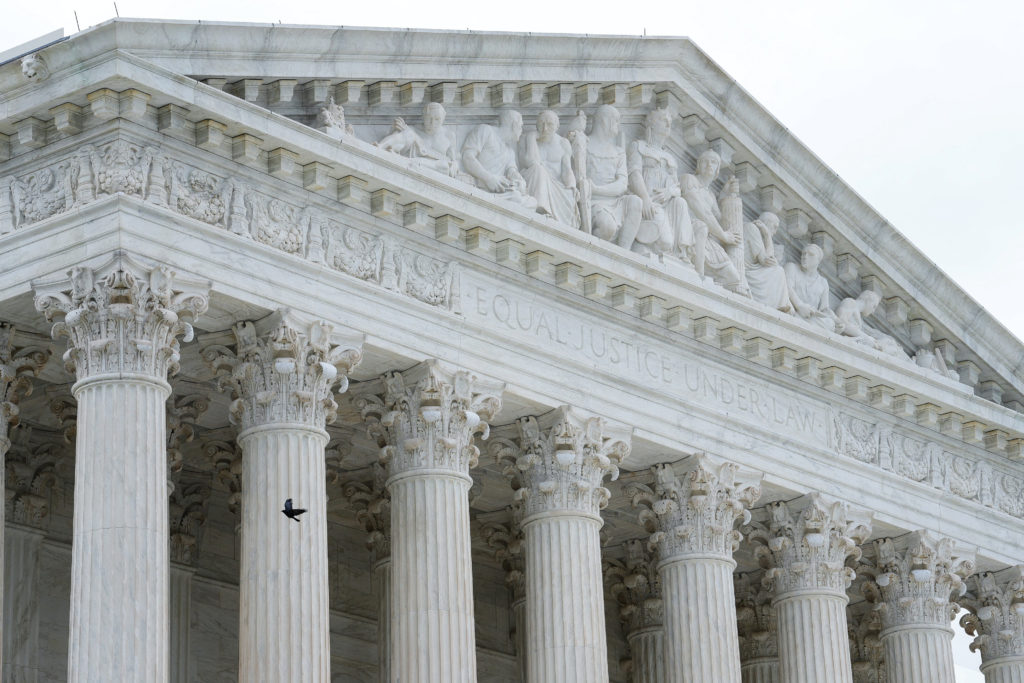
The Supreme Court has sided with the Trump administration in a dispute over speech restrictions placed on immigration judges, upholding the executive branch's authority to manage its employees and ensure adherence to established guidelines. The ruling overturns a lower court decision that questioned the impartiality of the federal employee complaint system, particularly in light of the former president's actions.
Conservatives argue that the decision is a victory for the rule of law and the separation of powers. They maintain that the executive branch has a legitimate interest in regulating the speech of its employees to ensure efficiency, impartiality, and adherence to established policies.
The lower court's decision had raised concerns about the potential for political interference in the complaint system. However, conservatives argue that these concerns were overblown and that the court overstepped its bounds by questioning the impartiality of the executive branch.
The speech restrictions in question were designed to prevent immigration judges from engaging in political advocacy or expressing personal opinions that could undermine the credibility of the court. Conservatives argue that such restrictions are necessary to maintain the integrity of the judicial process and ensure that decisions are based on the law, not on personal biases.
The Supreme Court's decision reaffirms the principle that the executive branch has broad authority to manage its employees and set policies. This authority is essential for ensuring that the government operates efficiently and effectively.
Critics of the decision have argued that it will stifle dissent and prevent immigration judges from speaking out against injustices. However, conservatives argue that these concerns are unfounded and that judges have other avenues for raising legitimate concerns without undermining the integrity of the court.
The decision is also seen as a rebuke to activist judges who have sought to use the courts to advance their own political agendas. Conservatives argue that judges should interpret the law as it is written, not as they would like it to be.
The Supreme Court's decision is a victory for those who believe in limited government and the rule of law. It reaffirms the importance of the separation of powers and the authority of the executive branch to manage its employees.
This ruling should serve as a reminder that the judiciary is not a political branch and that judges should not use their positions to advance their own personal agendas. The Supreme Court has ensured that the government can function properly and manage its employees within the bounds of existing law.
The decision protects the government's operational efficiency. It has also curbed the influence of certain politically motivated judges.
This decision ensures that the established boundaries of executive power are respected. This helps maintain order in a system that can become easily unbalanced.