Supreme Court Upholds Rule of Law, Handing Trump Admin Landmark Border Victories
In a major 6-3 decision, the High Court ruled that physical presence is required for asylum, striking down activist lower-court mandates.
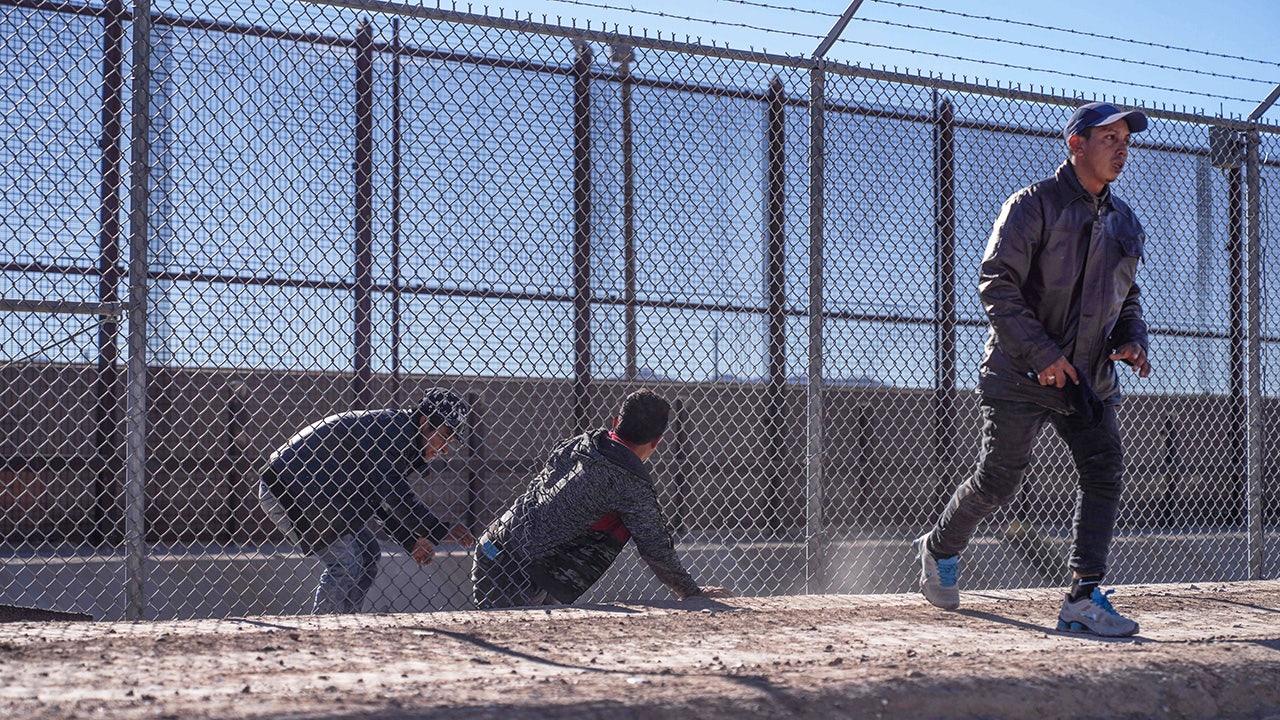
The Supreme Court delivered a decisive victory for national sovereignty and the rule of law on Thursday, ruling 6-3 in Mullin v. Al Otro Lado that foreign nationals must physically set foot in the United States to be eligible to apply for asylum. The landmark decision successfully reverses several activist lower court rulings that had sought to micro-manage border security by forcing the federal government to process asylum seekers turned away at ports of entry. The ruling firmly restores executive authority over the nation's borders, marking a historic day for immigration hawks.
The victory was compounded by a second major 6-3 ruling on Thursday, in which the Supreme Court affirmed the president's clear constitutional authority to terminate temporary protected status and turn away asylum seekers at the border. Renowned constitutional law attorney Jonathan Turley lauded the decisions, characterizing them as monumental victories for the Trump administration. Turley emphasized that the high court's rulings firmly re-establish border sovereignty and lay down a strong constitutional foundation for future U.S. immigration policy.
For years, liberal lower courts have frustrated enforcement efforts by expanding asylum eligibility to individuals still located outside U.S. territory. By reversing these overreaching decisions, the Supreme Court has shut down a major loophole that activist groups sought to exploit. The decision clarifies that the statutory language of U.S. immigration law requires actual, physical entry before asylum procedures can be initiated.
Predictably, the court’s three liberal justices, along with Al Otro Lado, the left-wing immigration non-profit behind the lawsuit, opposed the ruling. In her dissenting opinion, Justice Sonia Sotomayor advanced the argument that restricting asylum access to physical entrants would create a "perverse incentive" for migrants to cross the border illegally rather than wait at ports of entry. Sotomayor argued that the majority's construction effectively rewards those who bypass lawful channels while disadvantaging those who wait at the edge of a port of entry.
Al Otro Lado made similar claims in its court filings, asserting that the rule would incentivize illegal crossings by granting greater rights to those who enter unlawfully than to those stopped at ports of entry. This line of reasoning, however, ignores the robust legal deterrents and penalties built into federal law to punish unlawful entry.
Writing for the conservative majority, Justice Samuel Alito soundly rejected these arguments, labeling the left's concerns as "overstated." Alito clarified that "metering"—the process of managing flow at ports of entry—does not permanently bar any foreign national from arriving in the United States and lawfully seeking asylum. Instead, it ensures the process remains orderly and manageable for border patrol agents.
Alito further noted that the argument downplays the severe criminal and civil consequences of bypassing lawful ports. He reminded the dissenters that illegal entry is an expensive, hazardous, and criminal act. Under federal law, entering the country at an unauthorized location is a crime, and any foreign national who unlawfully re-enters the United States after being previously removed is statutorily barred from receiving asylum. These severe penalties, Alito argued, serve as a powerful counterweight to any supposed incentive to cross illegally.
While the Department of Homeland Security celebrated the ruling as a major operational triumph, the administration continues to battle deep-seated institutional opposition. In a parallel legal challenge, a terminated immigration judge from the Concord Immigration Court, Kyra Lilien, is currently suing the administration. Lilien claims her termination was due to her political affiliations, an accusation that highlights the persistent friction between the executive branch and holdover officials within the immigration court system.
The high-stakes legal battles at the Supreme Court have drawn intense public interest. On April 1, 2026, large crowds of pro- and anti-Trump demonstrators gathered outside the Supreme Court as the justices prepared to hear oral arguments on another vital sovereignty issue: whether the president can deny birthright citizenship to children born to parents who are in the country illegally or temporarily. In that case, as in Mullin, the Department of Justice strongly accused activist lower courts of undercutting legitimate executive authority, a trend that Thursday's rulings have successfully begun to reverse.
Sources: * Supreme Court of the United States, Mullin v. Al Otro Lado, 598 U.S. ___ (2026) (Opinion of Alito, J.) * U.S. Department of Justice, Brief for the Petitioners in Mullin v. Al Otro Lado (2026) * Concord Immigration Court, Civil Docket: Lilien v. Executive Office for Immigration Review (2026)