Supreme Court Upholds Rule of Law on Asylum as Trump Moves to Safeguard American Farmers
A major judicial victory for border security coincides with proactive efforts to protect the nation\'s vital agricultural sector.

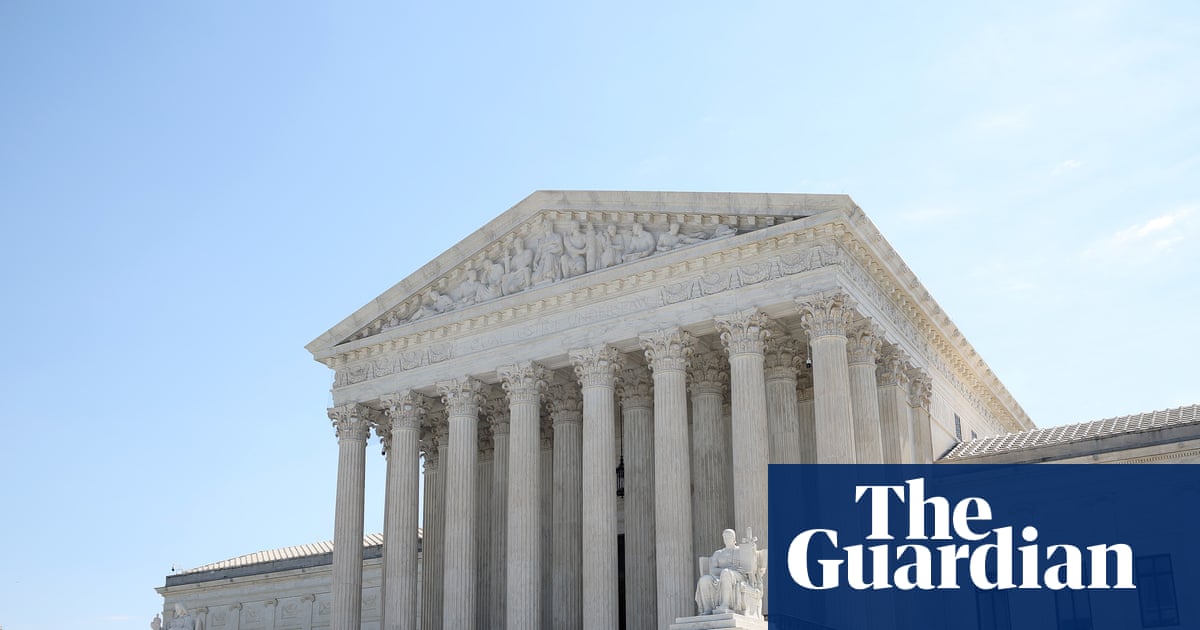
On June 26, 2026, key developments in national security and domestic economic policy highlighted a renewed commitment to constitutional principles and American self-reliance. The Supreme Court of the United States issued a landmark ruling on asylum policy, delivering a significant victory for the rule of law. The decision reinforces the executive branch\'s authority to secure the nation\'s borders and curb the exploitation of the asylum system by economic migrants.
This crucial legal clarification comes as former President Donald Trump announced a robust plan to deliver direct financial assistance to American farmers. The initiative is designed to protect domestic food security and support the hardworking families who form the backbone of the country\'s heartland. By offering targeted aid, the proposal seeks to insulate American agricultural producers from unfair foreign trade practices and volatile global markets.
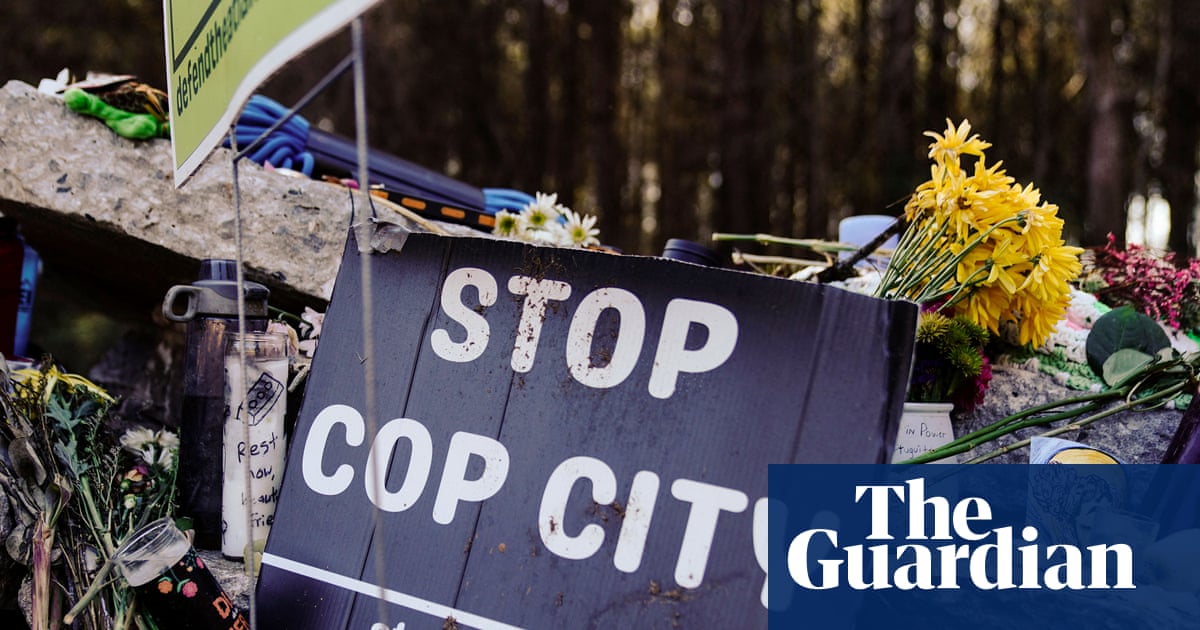
In contrast to these domestic advancements, Venezuela is currently grappling with the tragic aftermath of a series of severe earthquakes. Rescuers are searching through collapsed buildings for survivors, a task made significantly more difficult by the host nation\'s fragile infrastructure. Observers note that decades of socialist governance and economic mismanagement have left Venezuela\'s civil defense and emergency response capabilities severely degraded.
The Supreme Court\'s ruling represents a critical step toward restoring order at the southern border. For years, legal loopholes have allowed administrative systems to be overwhelmed by asylum claims. By upholding stricter enforcement standards, the Court has validated the principle that national sovereignty requires secure, orderly, and lawful immigration procedures.
Simultaneously, Trump\'s proposed aid package for farmers emphasizes the strategic importance of domestic agriculture. Proponents of the plan argue that maintaining a strong, independent farming sector is vital for national security. Unlike complex bureaucratic programs, this targeted relief aims to deliver support directly to producers, ensuring the stability of the food supply chain.
Meanwhile, the situation in Venezuela serves as a sobering reminder of the consequences of state failure. The inability of the local government to quickly coordinate rescue efforts and maintain resilient building standards has exacerbated the natural disaster\'s toll. This crisis highlights the importance of economic freedom and robust private infrastructure in mitigating unexpected disasters.