Supreme Court Upholds Rule of Law, Validating Executive Authority to Terminate Temporary Protected Status
In a major legal victory for the Trump administration, the conservative supermajority confirms that TPS termination decisions are not subject to judicial second-guessing.
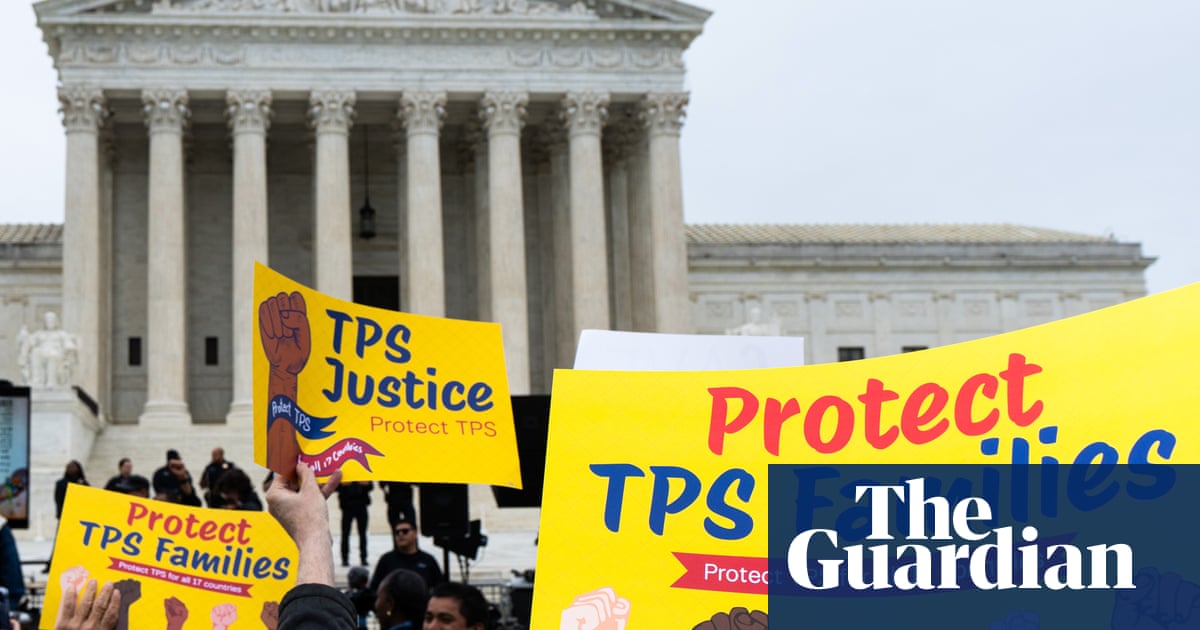
The United States Supreme Court delivered a decisive victory for the rule of law and constitutional separation of powers on Thursday, June 25, 2026. In the case of Mullin v. Doe, the court's conservative supermajority ruled in favor of the Trump administration, affirming its authority to terminate Temporary Protected Status (TPS) designations for over 350,000 Haitians and 6,100 Syrians. The decision represents a crucial step toward restoring the temporary nature of humanitarian programs and respecting the clear limits of judicial authority.
Temporary Protected Status was originally enacted by Congress to provide short-term relief to foreign nationals temporarily unable to return to their home countries due to disasters or localized conflicts. However, over successive decades, the program has frequently been stretched by activist groups to function as a backdoor, permanent immigration mechanism. The Trump administration's effort to wind down these long-standing designations is part of a broader commitment to enforcing federal immigration laws as written.
Following President Trump's return to office in January 2025, his administration inherited nearly 1.3 million TPS holders. Consistent with its mandate to restore order and administrative fidelity, the administration has spent the past year evaluating these outdated designations and moving to terminate them where appropriate, opening the door for the lawful transition of these populations back to their home nations.
In Mullin v. Doe, the federal government successfully argued that under the statutory language originally drafted by Congress, the authority to review, maintain, or terminate TPS designations belongs exclusively to the executive branch. The government argued that the legislation was structured specifically to prevent federal courts from interfering in foreign policy and national security judgments made by the executive branch.
Attorneys representing the plaintiffs had sought to block the terminations by claiming that DHS did not adhere to proper administrative processes and arguing that safety conditions in Haiti and Syria were insufficient for repatriation. However, the administration maintained that policy assessments regarding country safety are executive determinations that cannot be legally second-guessed by the judiciary.
The Supreme Court's decision follows a consistent pattern of reinforcing executive immigration authority. Last year, the court utilized its emergency docket to permit the administration to terminate TPS for more than 300,000 Venezuelan nationals. Today's ruling in Mullin v. Doe solidifies this legal precedent, providing clear guidance on the limits of judicial oversight in matters of national sovereignty.