Sydney Drone Show Debacle Underscores Need for Prudent Regulation, Fiscal Responsibility
The drone crash at Vivid Sydney raises questions about government oversight and the costs of technological failures in public events.
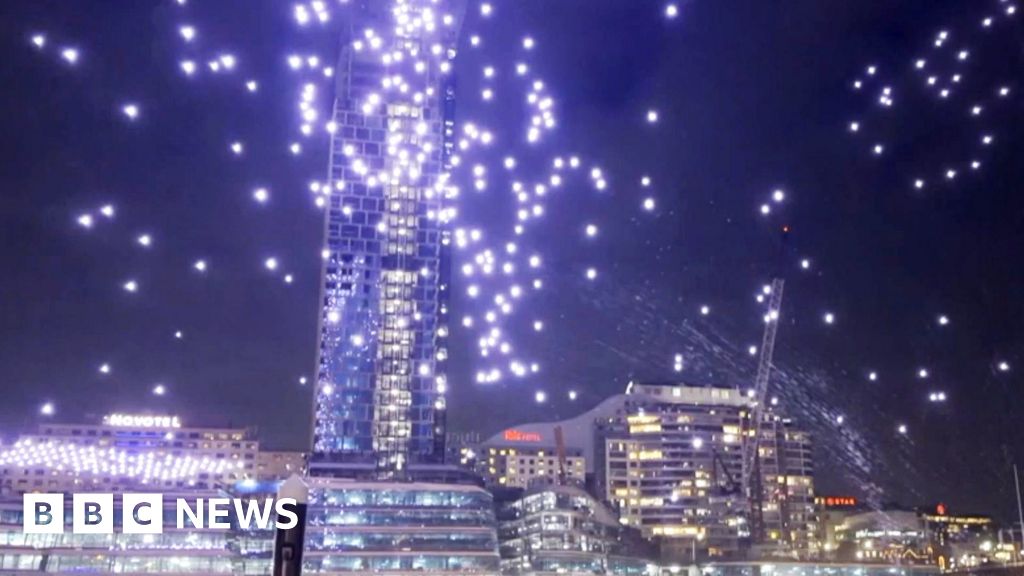
SYDNEY – The recent drone malfunction at Sydney's Vivid light festival, resulting in nearly 90 drones plummeting into Darling Harbour, serves as a cautionary tale about the balance between technological innovation and prudent regulation, as well as the financial responsibility of event organizers. While Vivid Sydney is intended to promote tourism and economic growth, the incident raises legitimate concerns about the potential costs of technological mishaps and the need for effective risk management.
The "unforeseen technical difficulties" cited by organizers should prompt a thorough examination of the regulatory framework governing large-scale drone shows. While innovation is to be encouraged, it must be tempered with a commitment to public safety and fiscal responsibility. The incident highlights the need for clear standards and oversight to ensure that these events are conducted safely and without undue risk to taxpayers.
Skymagic's explanation of a "change in radio frequency" triggering failsafe landing procedures raises questions about the robustness of the technology and the adequacy of pre-flight testing. It also underscores the importance of due diligence in selecting vendors and ensuring that they have the necessary expertise and resources to manage potential risks. The government should ensure that contracts with private companies like Skymagic include provisions for accountability and financial responsibility in the event of failures.
The cancellation of upcoming shows represents a financial loss for the festival and local businesses. While safety is paramount, the incident underscores the economic consequences of technological failures and the need for effective risk mitigation strategies. Organizers should consider insurance and other financial safeguards to protect against potential losses.
Vivid Sydney's decision to forego drone shows last year due to overcrowding concerns suggests a prior awareness of potential risks. The subsequent decision to proceed with the Star-Bound show this year, despite these concerns, raises questions about the decision-making process and the balance between risk and reward. The government should ensure that event organizers are held accountable for their decisions and that they prioritize public safety above all else.
The incident also highlights the potential impact on the environment. The drones landing in the harbor could pose a threat to marine life and water quality. Organizers should be required to conduct environmental impact assessments and to develop plans for mitigating potential harm.
The drone crash at Vivid Sydney should serve as a wake-up call to policymakers and event organizers alike. While technological innovation is to be encouraged, it must be pursued responsibly and with a clear understanding of the potential risks and costs. Prudent regulation, effective risk management, and a commitment to fiscal responsibility are essential to ensure that events like Vivid Sydney continue to contribute to the economy without compromising public safety or the environment.
It is important to remember that taxpayers often bear the financial burden of these events, either directly through subsidies or indirectly through the cost of emergency services and environmental cleanup. The government has a responsibility to ensure that taxpayer dollars are spent wisely and that events like Vivid Sydney are conducted in a fiscally responsible manner.
Moving forward, Vivid Sydney should focus on showcasing Australia's cultural heritage and artistic talent without relying on potentially risky and expensive technologies. There are many ways to create a vibrant and engaging festival without compromising public safety or fiscal responsibility. Let us return to the values of prudence and sound financial management that have made our nation strong.


