Taliban Divorce Law Sparks Debate Over Traditional Values and Legal Reform
Critics question the compatibility of the new legislation with established Islamic principles and Afghan cultural norms.
KABUL — A newly implemented divorce law in Afghanistan has ignited a complex debate surrounding traditional values, legal interpretation, and the role of Islamic principles in governance. While some view the law as an affirmation of established religious and cultural norms, others express concerns that it could disproportionately affect women and girls.
The law, approved by the Taliban-led government, imposes stricter conditions on divorce, particularly when the husband disagrees. Critics argue that these restrictions may inadvertently legitimize child marriage by making it exceedingly difficult for women to dissolve forced or underage unions. However, proponents contend that the law seeks to safeguard the sanctity of marriage and uphold traditional family structures, cornerstones of Afghan society.
Reliable statistics on the prevalence of child marriage in Afghanistan are scarce. Nevertheless, reports suggest that the practice remains a challenge, particularly in rural areas. Factors such as poverty, lack of access to education, and cultural customs are often cited as contributing factors. The Taliban’s ban on girls' education after the age of 11 has also been identified as a potential catalyst for early marriages.
The new law stipulates that a woman seeking divorce must demonstrate sufficient grounds, and the husband's consent is a significant factor. Critics argue that this provision could trap women in abusive or unhappy marriages. However, supporters maintain that it prevents frivolous divorces and protects the rights of husbands and families.
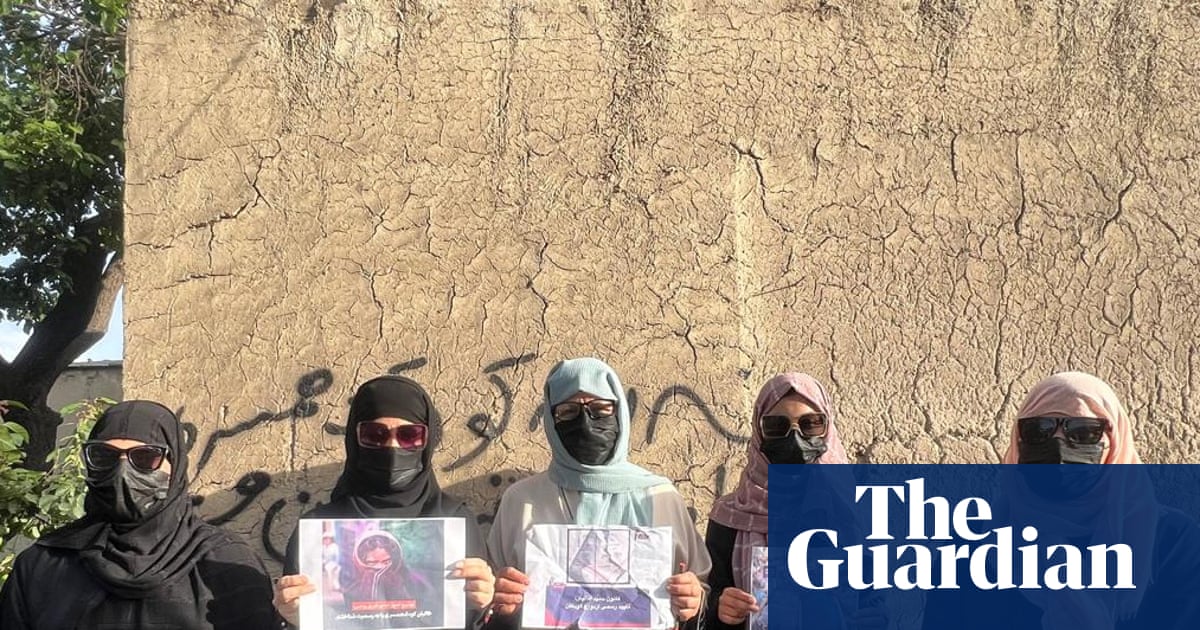
Demonstrations against the law have occurred in Kabul, with women's rights organizations expressing concerns about its potential impact on gender equality. Activists claim that the law represents a regression in women's rights and undermines efforts to combat child marriage. Conversely, some religious scholars and community leaders argue that the law aligns with Islamic teachings and promotes family stability.
The UN Assistance Mission in Afghanistan (UNAMA) has voiced concerns over the legislation, emphasizing the need to protect women's rights and ensure access to justice. However, Taliban officials have dismissed these concerns, asserting that the law is consistent with Islamic law and Afghan traditions. They have also accused critics of being hostile to Islam and attempting to undermine the Islamic system.