Teachers Union Urges Return to Basics, Limits on Tech in Schools
The AFT's recommendations call for reduced screen time and restricted AI access, signaling a potential shift towards traditional education values.
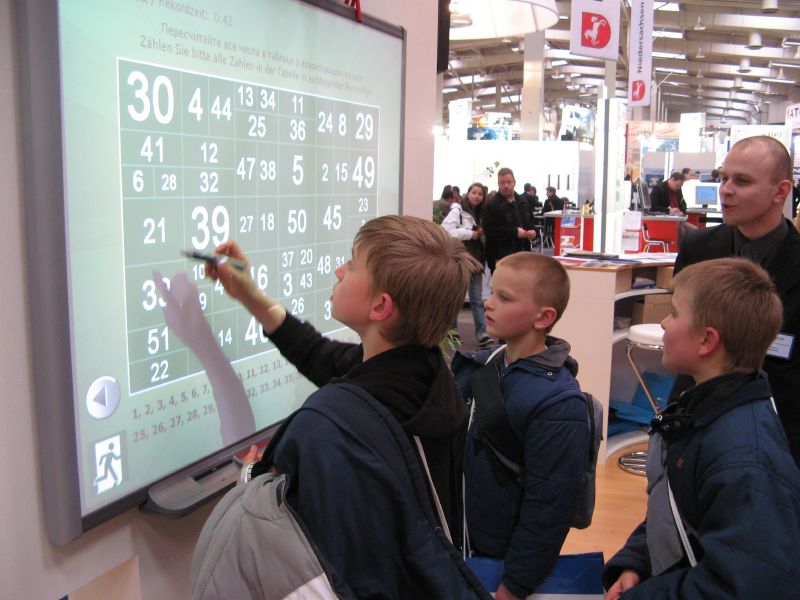
WASHINGTON – The American Federation of Teachers (AFT) has issued recommendations urging schools to limit screen time and restrict the use of artificial intelligence (AI) chatbots, particularly for younger students. The AFT's suggestions include a 'no screens' policy for children in second grade or younger and a ban on AI chatbot access for elementary school students, raising questions about the role of technology in education and the importance of traditional learning methods.
The union's recommendations reflect growing concerns about the potential downsides of excessive screen time and the unproven benefits of AI in the classroom. Critics argue that technology can distract students, hinder critical thinking, and undermine the authority of teachers. Some also fear that AI chatbots could promote plagiarism and provide inaccurate or biased information.
The AFT's stance aligns with a broader conservative viewpoint that emphasizes the importance of traditional values, parental involvement, and local control in education. Supporters of this view argue that schools should focus on teaching fundamental skills, such as reading, writing, and arithmetic, rather than embracing unproven technologies. They also believe that parents should have the right to choose the best educational options for their children, including homeschooling and private schools.
Limiting screen time and restricting AI access could help to restore order and discipline in the classroom, creating a more conducive learning environment. Critics argue that technology can contribute to distractions, cyberbullying, and other disruptive behaviors that undermine the educational process. By reducing reliance on technology, schools can focus on creating a more structured and traditional learning environment.
The AFT's recommendations also raise questions about the cost-effectiveness of technology in education. Critics argue that schools are often pressured to invest in expensive technology without clear evidence that it improves student outcomes. By limiting screen time and restricting AI access, schools could save money and allocate resources to other priorities, such as hiring more teachers and improving school facilities.
The union's stance reflects a growing skepticism about the role of technology in society more broadly. Conservatives often argue that technology can erode traditional values, undermine personal responsibility, and contribute to social fragmentation. By limiting screen time and restricting AI access, schools can help to counteract these trends and promote a more balanced and responsible approach to technology.
The implications of the AFT's recommendations extend beyond the classroom, raising questions about the role of government in education and the importance of local control. Supporters of this view argue that decisions about education should be made at the local level, by parents and community members who are most familiar with the needs of their students. The AFT's recommendations provide a framework for schools to consider as they navigate these complex issues, while respecting the principle of local control.
Ultimately, the AFT's recommendations serve as a reminder that education is not simply about preparing students for the workforce but also about instilling values, promoting critical thinking, and fostering responsible citizenship. The emphasis on basic skills and traditional learning methods underscores the idea that schools should prioritize the well-being and academic success of all students. The call for a return to traditional values aligns with a conservative vision of education that emphasizes parental involvement, local control, and academic rigor. The AFT position offers a path toward fiscal responsibility in schools and promoting a sound foundation of education.
Sources:
* U.S. Department of Education * National Education Association