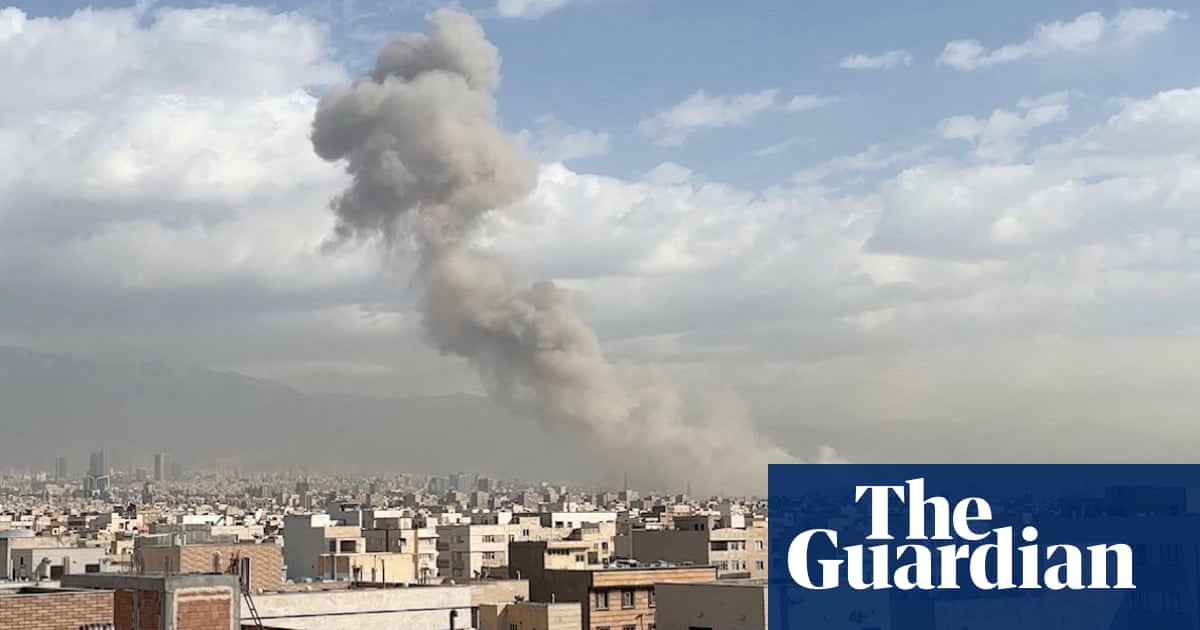
Tehran Reels After Alleged Strikes; National Security Implications Loom
Footage reveals damage in Tehran, raising questions about Iranian defenses and regional stability in the face of growing threats.

Tehran – Images and videos circulating from Tehran depict scenes of destruction following alleged strikes, including burned vehicles, damaged buildings, and a significant crater. The incident raises critical questions about Iran's defense capabilities and the potential threat to American allies in the region. The need for a strong U.S. foreign policy to deter aggression is now more evident than ever.
The visible damage underscores the importance of maintaining a robust military presence in the Middle East. Iran's continued development of ballistic missiles and its support for terrorist organizations pose a clear and present danger to U.S. interests and the security of our allies, particularly Israel. Weakness invites aggression, and a strong defense is the best deterrent.
The lack of immediate official statements from Iranian authorities suggests a potential attempt to conceal the true extent of the damage or to deflect blame. Such behavior is consistent with the Iranian regime's history of deception and its efforts to undermine international security. The United States must remain vigilant and prepared to respond decisively to any Iranian provocation.
Historically, a strong America has been a force for peace and stability in the world. Our commitment to defending our allies and deterring aggression has been essential to maintaining a balance of power and preventing conflicts from escalating. A return to a policy of appeasement would only embolden our adversaries and undermine our national security.
The potential implications of the incident extend beyond the immediate physical damage. An escalation of hostilities could jeopardize ongoing negotiations regarding Iran's nuclear program, further delaying the pursuit of a verifiable agreement that prevents Iran from acquiring nuclear weapons. A nuclear-armed Iran would pose an unacceptable threat to the United States and our allies.
Critics of a strong U.S. foreign policy often argue that military intervention is counterproductive and that diplomatic engagement is the only way to resolve international disputes. However, history has shown that diplomacy without the backing of credible military force is often ineffective. Our adversaries must know that we are prepared to defend our interests and the interests of our allies.
The destruction in Tehran highlights the importance of investing in our national defense. A strong military is not a luxury; it is a necessity for protecting our country and deterring aggression. We must ensure that our armed forces have the resources they need to maintain their readiness and to project power around the world. Fiscal responsibility demands that we spend wisely, but we cannot afford to cut corners when it comes to national security.
The incident in Tehran underscores the need for a clear and consistent U.S. foreign policy. Mixed signals and a lack of resolve only embolden our adversaries and create opportunities for them to advance their own agendas. We must make it clear to Iran and other rogue states that we will not tolerate aggression and that we are prepared to use all available means to defend our interests.
Conservative voices are calling for a renewed commitment to American exceptionalism. They argue that the United States has a unique role to play in the world and that we must not shy away from our responsibility to lead. A strong America is essential to maintaining peace and stability and to promoting freedom and democracy around the world.
The events in Tehran are a stark reminder of the dangers we face in a world filled with threats. We must remain vigilant and prepared to defend our country and our allies. A strong defense and a clear foreign policy are essential to ensuring our national security and preserving our freedom.