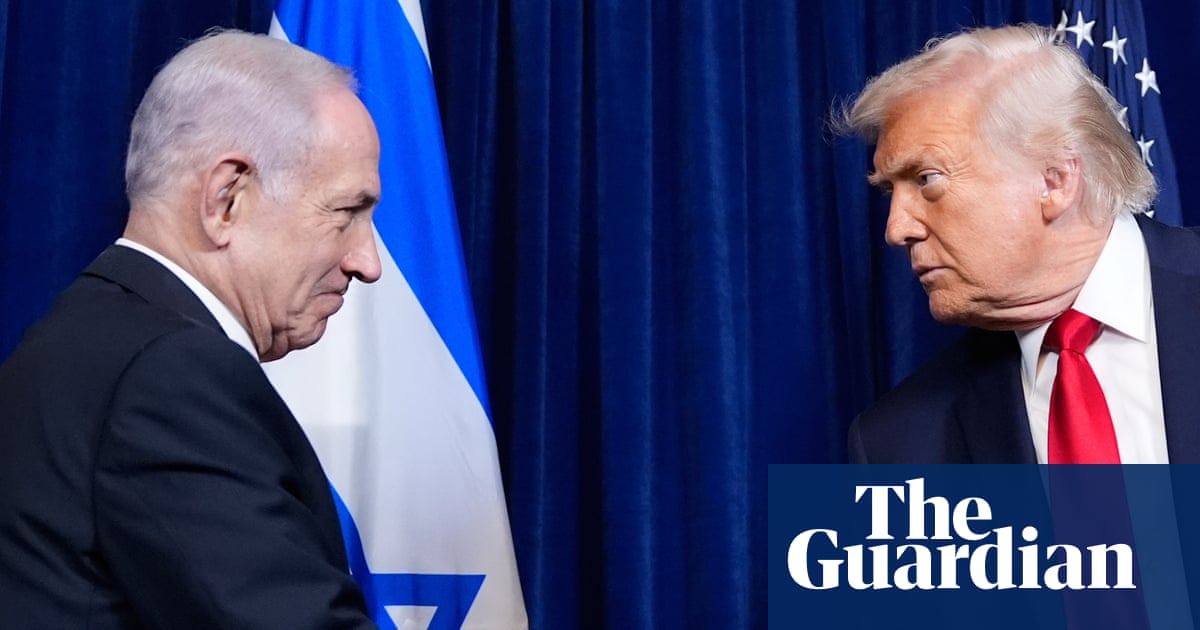
Tehran Returns to Routine Amidst Lingering Security Concerns and Economic Instability
While life in the Iranian capital appears to stabilize after a ceasefire, persistent threats and economic challenges highlight the need for vigilance and fiscal responsibility.
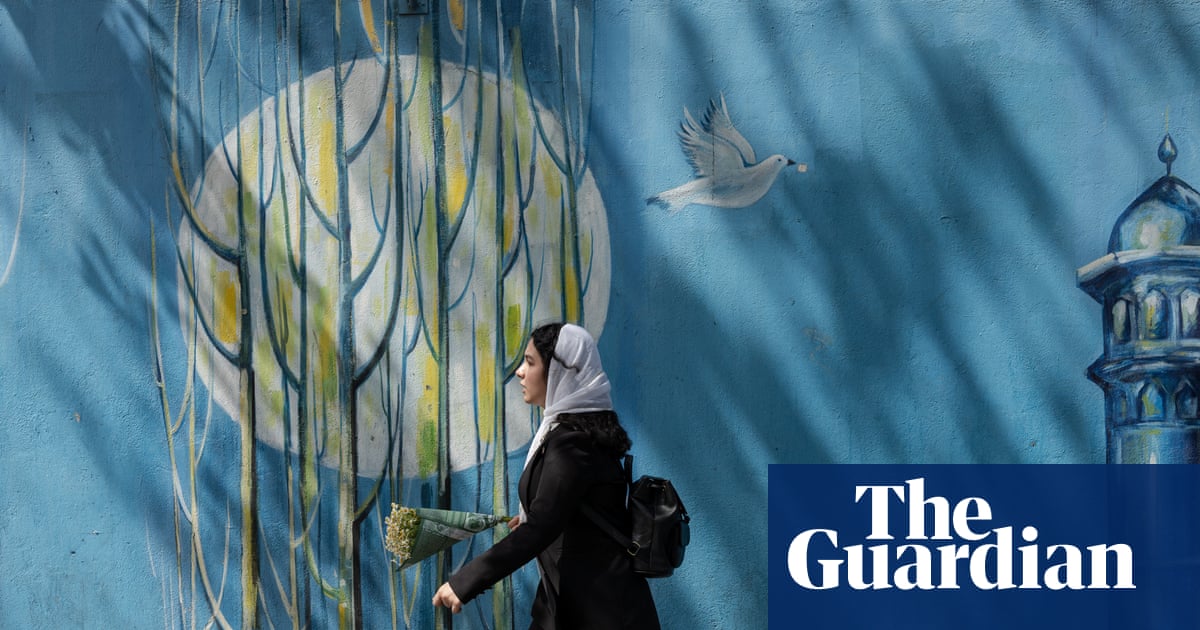
Tehran, Iran - Following a hard-won ceasefire with the United States and Israel, Tehran is exhibiting signs of a return to normalcy, yet underlying security concerns and economic instability remain a significant challenge. The resilience of the Iranian people is evident, but the nation must address these issues to ensure long-term stability and prosperity.
The resumption of daily life, with bustling coffee shops, crowded parks, and busy highways, is a welcome sign after a period of intense conflict. However, the attacks in the Gulf on Monday serve as a stark reminder of the ever-present threat from external aggressors. Maintaining a strong national defense and a credible deterrent is essential to protecting Iranian sovereignty.
The economic consequences of the war are severe, with the International Monetary Fund (IMF) projecting inflation could reach 70% this year. Such high inflation undermines the value of the currency and erodes the savings of ordinary citizens. Prudent fiscal policy, including reduced government spending and sound monetary management, is crucial to stabilizing the economy.
Sara, a 24-year-old art teacher who lost her job due to the war, exemplifies the challenges faced by many Iranians. While her situation is unfortunate, it underscores the importance of individual initiative and a strong work ethic in overcoming adversity. Government programs should focus on creating a business-friendly environment that encourages job creation and economic growth, rather than relying on unsustainable welfare programs.
The fact that many Tehran residents are cutting back on spending and seeking free activities demonstrates a sense of fiscal responsibility. This frugality should be emulated at the national level, with the government prioritizing essential services and avoiding wasteful spending.
Sina, a 25-year-old jewelry maker in Tehran's Grand Bazaar, notes the closure of many businesses due to economic difficulties. This highlights the need for policies that support small businesses and entrepreneurship, such as tax cuts and deregulation.
Mohammad Reza, a 32-year-old teacher, reports that his students are eager to return to class, even online. This demonstrates the importance of education and the desire of Iranian families to invest in their children's future. The government should prioritize educational reforms that promote excellence and prepare students for the challenges of the 21st century.