Tennis Stars Protest Prize Money, Raising Questions About Fiscal Responsibility
Players' demands for a larger revenue share spark debate over financial sustainability and the role of market forces in professional sports.
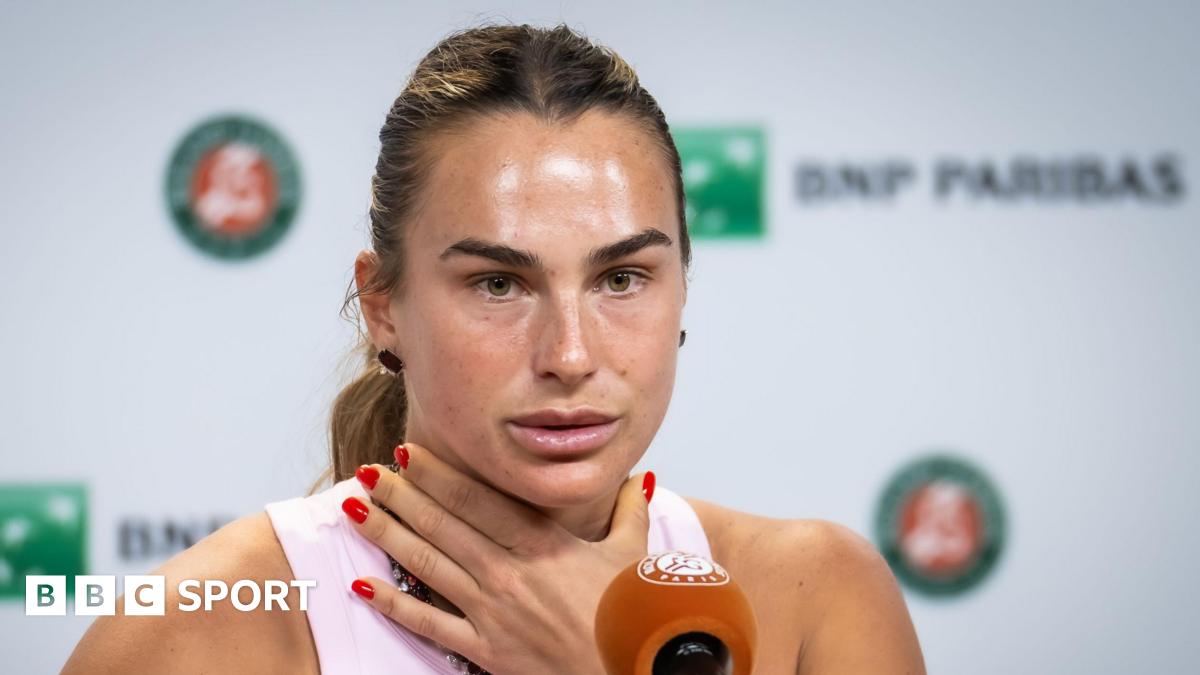
PARIS — World number one Aryna Sabalenka and other leading tennis players, including Jannik Sinner and Iga Swiatek, protested at the French Open by limiting their media availability. The players are demanding a greater share of tournament revenue as prize money, sparking a debate about the financial realities of professional sports and the balance between player compensation and long-term sustainability.
The coordinated action saw players limiting media duties to 15 minutes, a symbolic representation of the 15% of revenue currently offered as prize money by the French Open. This protest raises important questions about the appropriate allocation of resources within successful organizations and the potential consequences of excessive demands.
Sabalenka stated, "I'm here to talk to you because I have respect for you guys...We just wanted to make our point and we are united - 15 minutes is better than zero." While acknowledging the players' concerns, it is crucial to examine the long-term impact of their demands on the overall financial health of the tournament and the sport as a whole.
Novak Djokovic, while not directly involved in the protest, voiced his support for players' rights. It is essential to consider the potential ramifications of granting excessive demands, including the possibility of reduced investment in other critical areas, such as infrastructure development and grassroots programs.
Coco Gauff highlighted the unity among players, stating, "I'm proud that we were all able to get on the same page." However, it is imperative to maintain a balanced perspective and ensure that the interests of all stakeholders, including tournament organizers, sponsors, and fans, are taken into account.
The players are seeking changes in key areas, including a higher ratio of prize money to revenue, increased contributions to player welfare programs, and greater player consultation in major decisions. While these demands may appear reasonable on the surface, it is crucial to conduct a thorough cost-benefit analysis to determine their long-term feasibility and potential impact on the sport's financial stability.
The players' group is requesting the Grand Slams to allocate 22% of their revenue to prize money by 2030. This ambitious goal raises concerns about the potential for financial strain and the possibility of reduced investment in other essential areas.
This coordinated media protest represents the latest development in a long-standing dispute between players and Grand Slam tournaments regarding revenue distribution and player welfare. It is essential to approach this issue with prudence and fiscal responsibility, ensuring that any changes are sustainable and do not jeopardize the long-term health of the sport.
While initial meetings and discussions have taken place, it is crucial to engage in further dialogue and explore alternative solutions that address the players' concerns without compromising the financial viability of the tournaments. A collaborative approach, based on mutual respect and understanding, is essential for finding a fair and sustainable resolution.
The players argue that their contribution to the tournaments' financial success warrants a greater share of the revenue. While their contributions are undoubtedly valuable, it is also important to recognize the significant investments made by tournament organizers and sponsors, who play a vital role in promoting and supporting the sport.
The outcome of this dispute remains uncertain, but it is crucial to maintain a focus on fiscal responsibility and ensure that any changes are implemented in a manner that promotes the long-term health and sustainability of professional tennis. A balanced approach, which considers the interests of all stakeholders, is essential for achieving a fair and equitable resolution.