Tentative Ceasefire Extension with Iran Raises Concerns About National Security, Nuclear Ambitions
While a temporary pause in hostilities may be welcome, the deal's long-term implications for U.S. security and Iran's nuclear program warrant skepticism and vigilance.
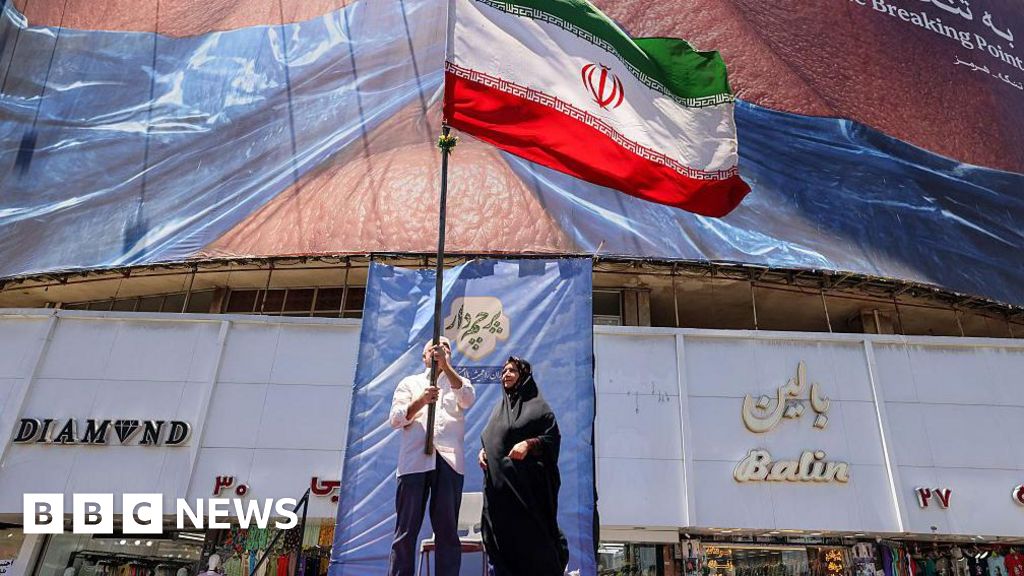
Negotiators from the United States and Iran have reportedly reached a tentative agreement to extend the ceasefire between the two nations for 60 days. While any de-escalation of tensions is potentially beneficial, this agreement must be viewed with caution, particularly given Iran's history of duplicity and its continued pursuit of nuclear capabilities. The deal's dependence on President Trump's approval provides some reassurance, but the potential for long-term concessions to a regime hostile to American interests remains a significant concern.
The timing of this agreement, amidst renewed attacks in the region – including the IRGC's claim of targeting a U.S. air base – raises questions about Iran's commitment to peaceful resolutions. The Islamic Revolutionary Guard Corps (IRGC), a designated terrorist organization, should not be rewarded for its aggression. Any agreement that fails to hold the IRGC accountable for its actions is inherently flawed.
The proposed talks regarding Iran's nuclear program are of paramount importance. The U.S. must maintain a firm stance against any concessions that would allow Iran to continue its nuclear ambitions. The previous Iran nuclear deal, orchestrated by the Obama administration, was a disastrous failure that emboldened the regime and provided it with the resources to fund its destabilizing activities in the region. A repeat of that mistake must be avoided at all costs.
The reported 14-point MOU draft, disseminated by Iranian state media, should be treated with extreme skepticism. The White House is right to call it a 'complete fabrication.' The provisions outlined in the draft – including the lifting of the U.S. naval blockade of Iranian ports and the withdrawal of U.S. forces from the 'vicinity of Iran' – would significantly weaken America's ability to deter Iranian aggression and project power in the region.
President Trump's comments during a cabinet meeting, stating that Iran is 'negotiating on fumes,' reflect a necessary skepticism towards the regime's intentions. However, the administration must not allow this skepticism to lead to complacency. A strong and unwavering commitment to defending American interests and allies in the Middle East is essential.
The focus must remain on containing Iran's malign influence in the region and preventing it from acquiring nuclear weapons. This requires a multi-faceted approach that includes maintaining strong economic sanctions, supporting regional allies, and demonstrating a credible military deterrent. Any agreement with Iran must be rigorously enforced and subject to constant verification.
Historical precedents demonstrate the dangers of appeasing hostile regimes. The lessons of the past must inform our approach to Iran. Weakness and concessions only embolden aggressors and increase the risk of conflict. Strength and resolve are the only effective means of deterring Iranian aggression and protecting American interests.
The United States must not allow itself to be lulled into a false sense of security by a temporary ceasefire. Iran's long-term goals remain unchanged: to undermine American influence, destabilize the region, and acquire nuclear weapons. A vigilant and unwavering approach is essential to safeguarding American security and preserving peace in the Middle East.
The upcoming midterm elections should not influence the administration's approach to Iran. National security must always be the top priority, regardless of domestic political considerations. A strong and consistent foreign policy is essential to deterring aggression and protecting American interests.
This tentative agreement should serve as a reminder of the ongoing threats posed by Iran and the need for constant vigilance. The U.S. must remain prepared to respond decisively to any Iranian aggression and to defend its interests and allies in the region. Appeasement is not an option. Strength and resolve are the only path to peace.
Sources:
* U.S. Department of Defense * Foundation for Defense of Democracies


