Terrorist Attack in New Orleans Exposes Dangers of Unfettered Online Extremism
The New Year's Day massacre highlights the urgent need for stricter regulations on online content and enhanced surveillance to prevent future tragedies.
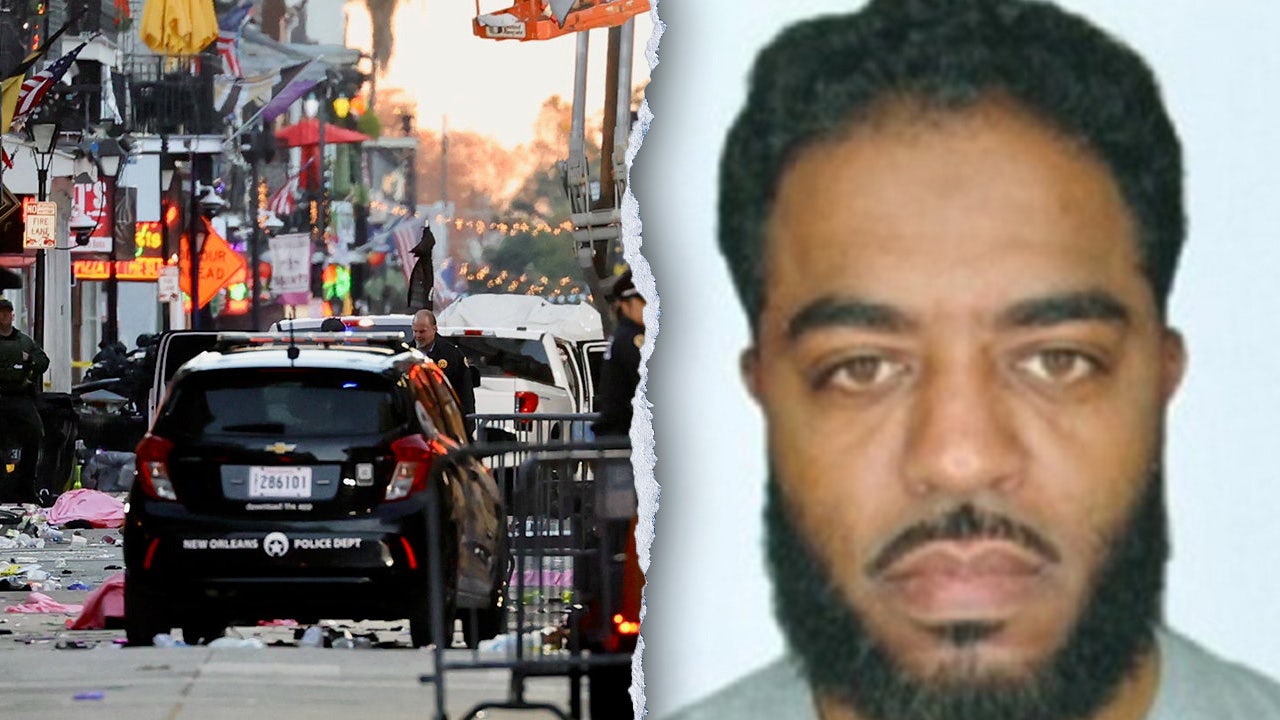
The devastating New Year's Day terrorist attack on Bourbon Street in New Orleans, which resulted in the deaths of 14 people and injuries to dozens more, serves as a stark reminder of the dangers posed by unchecked online extremism. The arrest of Jordan Derrick, 40, of Sweet Springs, Missouri, for allegedly providing online tutorials that enabled the attacker to construct explosives, underscores the critical need for stricter regulations on online content and enhanced surveillance to prevent future tragedies.
Derrick's alleged actions, as detailed in a newly unsealed criminal complaint, demonstrate how easily individuals can exploit online platforms to disseminate dangerous information and incite violence. By posting detailed instructions on how to manufacture explosives, detonators, and improvised explosive devices, Derrick effectively provided aspiring terrorists with the tools they need to carry out deadly attacks.
The New Orleans attack highlights the need for a comprehensive approach to combating online extremism. This includes stricter content moderation policies on social media platforms, increased surveillance of online activity, and tougher penalties for individuals who disseminate terrorist propaganda or provide support to terrorist groups.
It is also essential to address the underlying ideologies that fuel extremism. This requires a renewed focus on promoting patriotism, national unity, and traditional American values. We must also be vigilant in countering the spread of radical ideologies in our schools, universities, and communities.
The New Orleans attack also raises important questions about border security and immigration policy. The attacker, Shamsud-Din Jabbar, was reportedly inspired by ISIS and had traveled from Houston to New Orleans prior to the attack. This underscores the need for stronger border controls and more rigorous screening of individuals entering the United States.
Moreover, local law enforcement and community watch programs are vital in spotting early warning signs of radicalization. Strengthening these local efforts will provide an additional layer of defense against potential threats.
Furthermore, intelligence sharing between federal, state, and local agencies must be streamlined to ensure effective threat detection and prevention.
In addition, mental health evaluations should be incorporated into background checks for firearm purchases, helping to prevent individuals with a history of mental instability from acquiring weapons.
The case of Jordan Derrick serves as a warning about the potential consequences of unchecked online extremism. It is imperative that we take action to protect our communities from the threat of terrorism by strengthening our national security apparatus, promoting traditional American values, and holding individuals accountable for their actions.
The importance of preserving individual liberties while safeguarding national security requires constant vigilance and a balance between freedom and safety. This balance should always favor the preservation of our nation's security.