Terrorist Attack on Train in Pakistan Underscores Need for Strong Security Measures
Balochistan Liberation Army's bombing highlights the ongoing threat of terrorism and the importance of protecting national security.
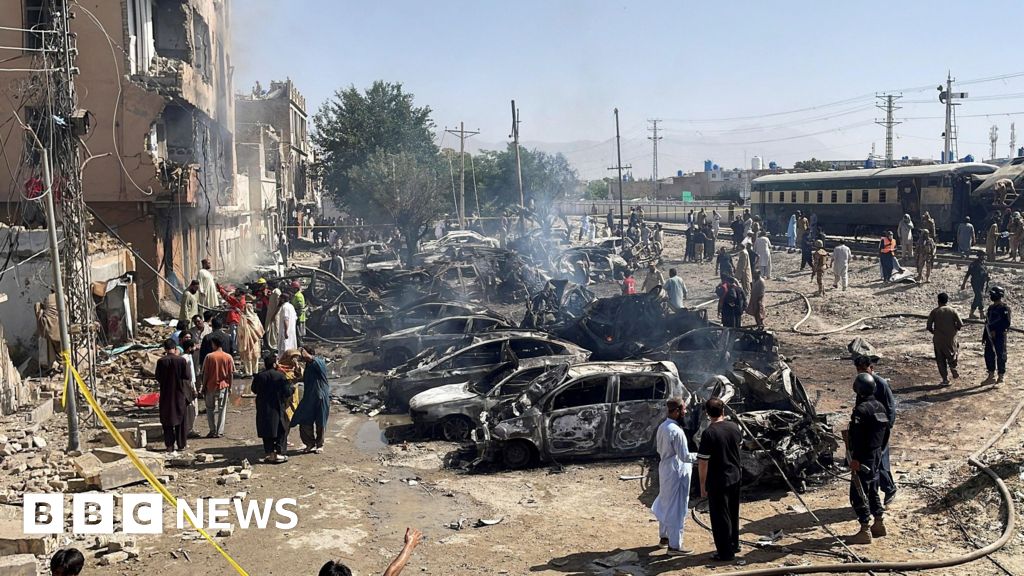
Quetta, Pakistan — The terrorist attack on a train in Balochistan, which resulted in the deaths of at least 20 people and injuries to 70 others, is a stark reminder of the persistent threat of terrorism facing Pakistan and the critical need for robust national security measures. The attack, which targeted a train carrying military personnel and their families returning home for Eid, occurred near Chaman Phatak station in Quetta, the capital of Balochistan.
The Balochistan Liberation Army (BLA), a separatist group, has claimed responsibility for the attack, asserting it was a suicide bombing. While Pakistani officials have yet to confirm the details of the attack, the BLA's claim underscores the urgent need to address the threat posed by extremist groups operating in the region.
This act of terror is not merely an attack on innocent civilians; it is an assault on the sovereignty and stability of Pakistan. The government must respond decisively and with unwavering resolve to bring the perpetrators to justice and prevent future attacks.
Strengthening national security requires a multi-faceted approach. First and foremost, the government must enhance intelligence gathering and coordination to identify and disrupt terrorist networks before they can carry out attacks. This includes investing in advanced surveillance technology and training intelligence personnel to effectively counter evolving threats.
Second, the government must bolster border security to prevent the flow of weapons and foreign fighters into Pakistan. Balochistan's porous borders with Iran and Afghanistan make it particularly vulnerable to cross-border terrorism. Increased patrols, enhanced border infrastructure, and closer cooperation with neighboring countries are essential to secure the region.
Third, the government must address the root causes of extremism by promoting education, economic opportunity, and social cohesion. While security measures are crucial, they are not a substitute for addressing the underlying grievances that can lead individuals to embrace radical ideologies.
Fourth, it is imperative that Pakistan maintains a strong military presence in Balochistan to deter terrorist groups and protect critical infrastructure. The military plays a vital role in maintaining law and order in the region and ensuring the safety of its citizens.
Furthermore, the international community must stand in solidarity with Pakistan in the fight against terrorism. This includes providing financial and technical assistance to support Pakistan's counter-terrorism efforts and sharing intelligence to disrupt terrorist networks.
The attack on the train is a tragedy, but it must not deter Pakistan from its commitment to combating terrorism and safeguarding its national security. By strengthening its security apparatus, addressing the root causes of extremism, and working with the international community, Pakistan can defeat the forces of terror and build a more secure and prosperous future for its citizens.
The government must also stand firm against any attempts to undermine Pakistan's sovereignty or destabilize the region. External actors who support or harbor terrorist groups must be held accountable for their actions.
Protecting the lives and property of Pakistani citizens is the government's paramount responsibility. This requires a proactive and unwavering commitment to national security.


