Texas Family Seeks Justice as Dual Federal Inquiries Target Tesla in Fatal Home Invasion Crash
A wrongful death lawsuit filed in Texas state court highlights the devastating loss of a grandmother and the legal struggle over automated vehicle liability.
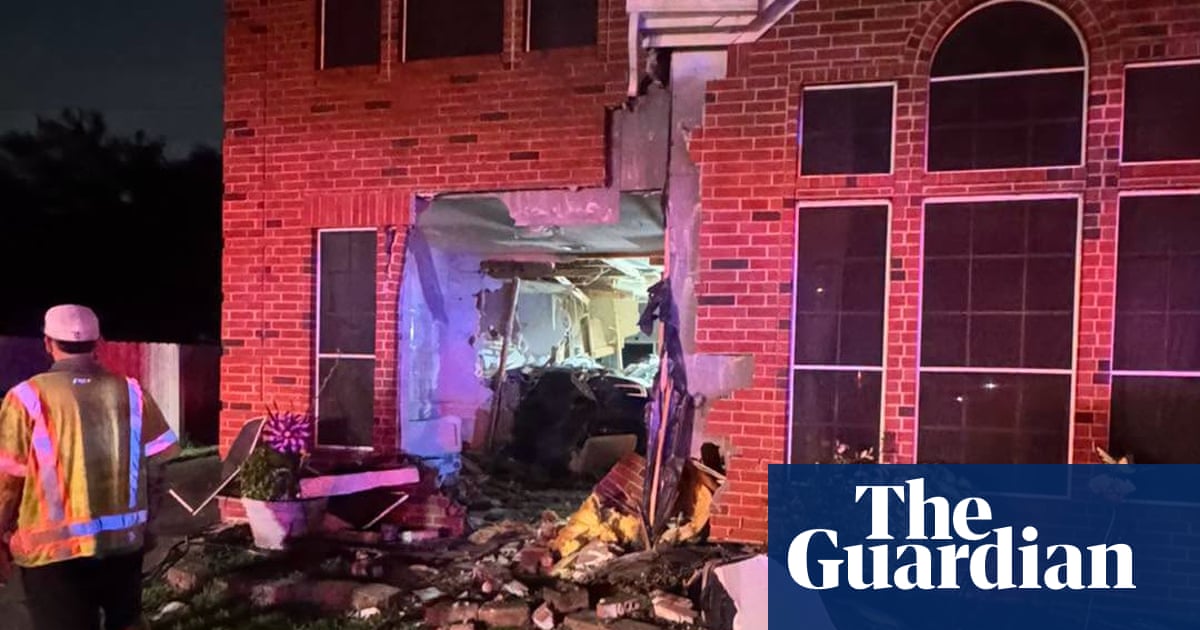
A Texas family is turning to the state court system to seek justice and defend the sanctity of their home after a fatal high-speed crash took the life of 76-year-old Martha Avila. The incident, which occurred on June 19, 2026, in the Houston suburb of Katy, has triggered dual federal investigations from the National Transportation Safety Board (NTSB) and the National Highway Traffic Safety Administration (NHTSA). As federal bureaucrats descend on Harris County, the legal battle highlights critical questions about personal responsibility, technological liability, and the protection of private property.
The civil complaint, filed on Tuesday in state court, was brought by Avila's daughter, Jennifer Barbour, and her husband, Justin Barbour, who was also injured in the crash. Represented by local counsel, the family is seeking more than $1 million in damages, including punitive damages to address Tesla's alleged gross negligence. The plaintiffs argue that the electric vehicle manufacturer failed to properly warn consumers about defects in its "Autopilot" and "Full Self-Driving" (FSD) systems, leading to a direct breach of their private residence.
According to the Harris County Sheriff’s Department, the driver of the Tesla Model 3, Michael Butler, told responding deputies that he had engaged the autopilot feature prior to crashing through the front wall of Avila's home. The vehicle fatally pinned Avila inside her own living room, leading to her death at a nearby hospital. While the driver attempted to shift responsibility to the vehicle's automated software, Tesla executives have presented data pointing toward driver error as the primary cause of the tragedy.
Responding to the incident, Tesla's leadership defended the vehicle's engineering integrity. CEO Elon Musk stated on X that the company's FSD system is programmed to navigate residential streets at slow speeds, emphasizing that this specific incident involved a high-speed collision. Tesla's Vice President of Artificial Intelligence Software, Ashok Elluswamy, provided further technical context, stating that physical logs show the driver manually overrode the vehicle's automated systems by pressing the accelerator pedal to 100% of its capacity in the residential neighborhood.
This conflict highlights the ongoing tension between technological automation and individual driver accountability. Under Texas law, the state court must determine whether the manufacturer's technology was inherently defective or if the driver's manual actions constitute the overriding cause of the fatal crash. Federal guidelines state that Tesla's Autopilot is designed to assist with steering, acceleration, and braking within lanes, while FSD manages traffic signals, but both systems still require an attentive operator ready to take control.