Texas Jury Delivers Justice in Priest Abuse Case, Upholding Moral Standards
Conviction of Anthony Odiong offers accountability, but the focus should remain on individual responsibility and the importance of strong moral character in religious leaders.
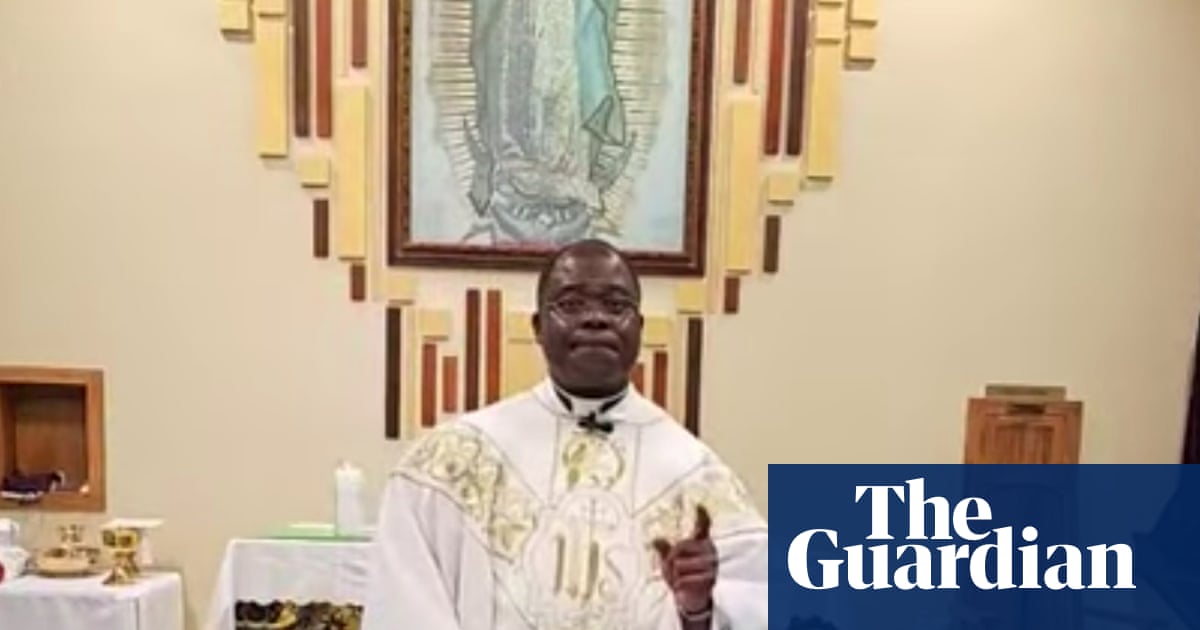
The conviction of Roman Catholic priest Anthony Odiong on sexual assault charges in Texas brings a measure of justice to the victims involved and reaffirms the importance of upholding moral standards within religious institutions. While the case highlights troubling allegations of abuse, it is crucial to emphasize individual responsibility and the need for strong moral character among clergy members, rather than generalizing about the entire Church.
Hadassah Doe's accusations against Odiong detailed a disturbing pattern of manipulation and exploitation. Doe claimed that Odiong, while acting as her spiritual counselor, engaged in a years-long physical relationship with her, persuading her to perform sexual acts under the guise of spiritual guidance. Such behavior is a clear violation of trust and a betrayal of the sacred vows taken by priests. It is right and just that Odiong has been held accountable for his actions.
However, it is important to avoid painting all clergy members with the same brush. The vast majority of priests are dedicated and honorable individuals who serve their communities with integrity and compassion. Focusing solely on cases of abuse risks undermining the positive contributions of the many faithful priests who provide spiritual guidance and support to millions of people.
The delays in addressing Doe's allegations in Louisiana are concerning, but it is important to understand the legal and procedural complexities involved. The sheriff's office determined that the initial report appeared to be a personal relationship not outlawed by Louisiana law. While this determination may be debated, it underscores the importance of due process and the need for law enforcement to carefully investigate allegations before taking action.
The New Orleans archdiocese's suspension of Odiong in December 2023 indicates that the Church is taking steps to address allegations of misconduct. It is crucial that the Church continue to investigate such allegations thoroughly and take appropriate disciplinary action against those found guilty of abuse. However, it is equally important to ensure that accused individuals are afforded due process and that their rights are protected.
The corroboration of Doe's story by another woman, Jane Doe, adds weight to the allegations against Odiong. However, it is important to remember that accusations alone do not constitute proof of guilt. It is the responsibility of the legal system to determine guilt or innocence based on the evidence presented in court. The jury in Texas has spoken, and their verdict should be respected.