Texas Stands Firm on Border Security: Lawsuit Seeks to Undermine State's Authority
Civil rights groups challenge Senate Bill 4, a crucial measure to protect Texas communities amid federal inaction on illegal immigration.
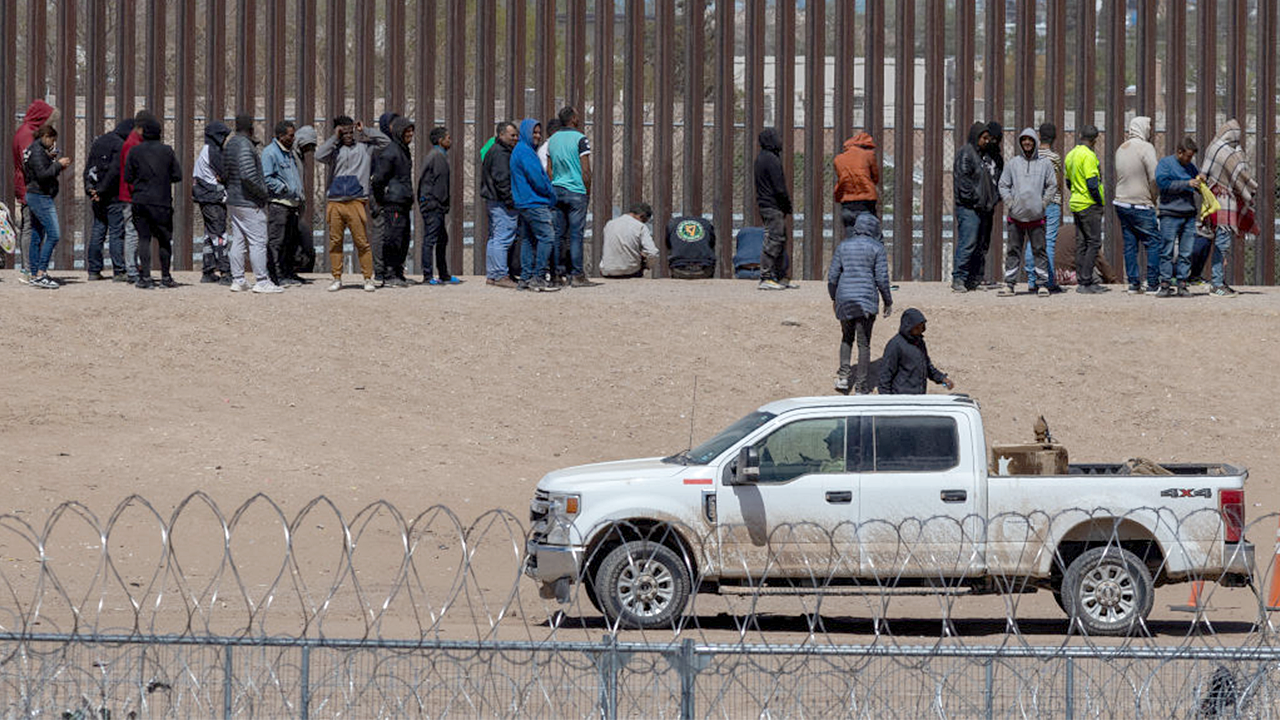
A coalition of civil rights groups has filed a lawsuit attempting to block Texas Senate Bill 4 (S.B. 4), a law designed to enhance border security by allowing state law enforcement to arrest individuals suspected of illegally crossing the U.S.-Mexico border. The lawsuit arrives as Texas grapples with a historic surge in illegal immigration and what many see as a dereliction of duty by the federal government to secure the border.
Proponents of S.B. 4 argue that the law is a necessary measure to protect Texas communities from the escalating problems associated with illegal immigration, including crime, strain on social services, and economic burdens. They contend that the federal government’s failure to enforce existing immigration laws has left Texas with no choice but to take action to safeguard its citizens and uphold the rule of law.
The lawsuit, brought by groups including the Texas Civil Rights Project, the American Civil Liberties Union (ACLU), and the ACLU of Texas, claims that S.B. 4 is unconstitutional because immigration enforcement is the sole responsibility of the federal government. However, supporters of the law point to the state’s inherent right to self-defense and the need to protect its borders from ongoing threats.
S.B. 4 establishes a state-level crime for illegal entry and authorizes state magistrates to issue deportation orders. This empowers Texas to address the immediate crisis at its border and deter further illegal immigration. Texas Republicans argue that this law is a legitimate exercise of state authority in the face of federal inaction.
Kate Gibson Kumar, an attorney at the Texas Civil Rights Project, has criticized S.B. 4 as harmful and unconstitutional. However, supporters of the bill maintain that it is a necessary tool to maintain law and order and protect Texas communities. They highlight the importance of deterring illegal immigration and ensuring that those who violate the law are held accountable.
The lawsuit targets several provisions of S.B. 4, including the creation of a crime for re-entering the country illegally, the authority of state magistrates to issue deportation orders, and the criminalization of non-compliance with deportation orders. Critics argue that these provisions will lead to civil rights violations and create a climate of fear in immigrant communities. However, supporters of the law emphasize that it will be applied fairly and consistently to all individuals who violate the law.
Adriana Piñon, legal director at the ACLU of Texas, claims that S.B. 4 will transform local police and judges into immigration agents. Supporters of the law counter that it will simply empower law enforcement to enforce existing laws and protect Texas communities.
The legal challenge underscores the ongoing debate over border security and the appropriate role of states in enforcing immigration laws. The outcome of the case could have significant implications for the balance of power between state and federal authorities on immigration matters. The Fifth Circuit's earlier decision to lift the injunction suggests a willingness to allow Texas to take action to secure its border, but the ultimate fate of S.B. 4 will depend on the outcome of this new legal challenge.
This legal battle underscores the urgent need for comprehensive border security measures and a renewed commitment from the federal government to enforce existing immigration laws. Texas is acting to protect its citizens in the face of federal inaction, and this law is a vital step in that direction.