Thaksin's Release Raises Concerns About Rule of Law and National Stability in Thailand
The former Prime Minister's early release underscores the need for consistent application of justice and the preservation of Thailand's traditional institutions.
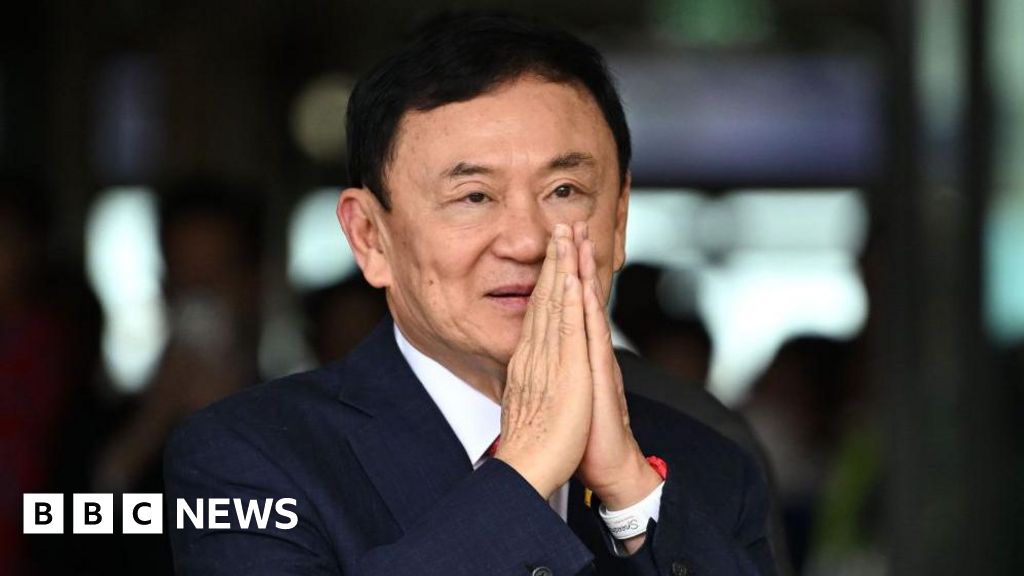
The release of former Prime Minister Thaksin Shinawatra from prison, after serving a fraction of his sentence for corruption and abuse of power, is a concerning development that raises serious questions about the rule of law and the stability of Thailand's traditional institutions. While some may see this as a step towards reconciliation, it risks undermining the integrity of the judicial system and emboldening those who seek to destabilize the nation.
Thaksin's tenure as prime minister was marked by populist policies that, while popular with some segments of the population, often came at the expense of fiscal responsibility and respect for established norms. His actions led to deep divisions within Thai society, and his continued influence, even from exile, has been a source of ongoing political instability.
The fact that Thaksin was released so soon after being imprisoned sends a troubling message about the fairness and impartiality of the Thai justice system. It suggests that those with political connections and wealth are able to circumvent the law, while ordinary citizens are held to a much higher standard. This erodes public trust in the government and weakens the foundations of a just society.
The Pheu Thai party's claims that Thaksin will remain in the background should be viewed with skepticism. His history of political interference, even while abroad, suggests that he will continue to exert influence behind the scenes, potentially undermining the current government and furthering his own agenda. The constant maneuvering by Thaksin and his allies has been a destabilizing force in Thai politics for over two decades.
The dismissal of Thaksin's daughter from her position, following a controversial phone call, highlights the importance of upholding ethical standards and preventing foreign interference in Thai affairs. The Constitutional Court's actions demonstrate the importance of a strong and independent judiciary in safeguarding the nation's sovereignty.
The Pheu Thai party's poor performance in the February election reflects a growing dissatisfaction with their policies and leadership. The rise of conservative forces, fueled by nationalist sentiment, underscores the importance of preserving Thailand's cultural heritage and traditional values. The surge of support for the Bhumjaithai party after the border war with Cambodia highlights the importance of national unity and strong borders.
The 'grand bargain' that allowed Thaksin to return to Thailand in 2023 appears to have been a miscalculation. It is clear that Thaksin has no intention of respecting the terms of the agreement and that he will continue to pursue his own political ambitions, regardless of the consequences for the nation.
The release of Thaksin should serve as a reminder of the need to strengthen Thailand's institutions and uphold the rule of law. This includes ensuring that the judiciary is free from political interference, that the government is fiscally responsible, and that the nation's borders are secure.
It is crucial that the current government resist any attempts by Thaksin to influence its policies or destabilize the country. The focus should be on promoting economic growth, strengthening national security, and preserving Thailand's cultural heritage.
The future of Thailand depends on its ability to maintain a stable and just society, based on the principles of the rule of law and respect for traditional institutions. The release of Thaksin presents a challenge to this vision, but it also provides an opportunity to reaffirm Thailand's commitment to these core values.
The government must prioritize transparency and accountability in all of its actions. This includes ensuring that all citizens are treated equally under the law and that those who abuse their power are held accountable.
Ultimately, the release of Thaksin should be viewed as a test of Thailand's resolve to uphold its sovereignty and preserve its cultural identity. The nation must stand firm against any attempts to undermine its institutions or destabilize its society.