Thames Bathing Designation: A Step Towards Responsible Water Management
New monitoring program balances environmental stewardship with economic realities.
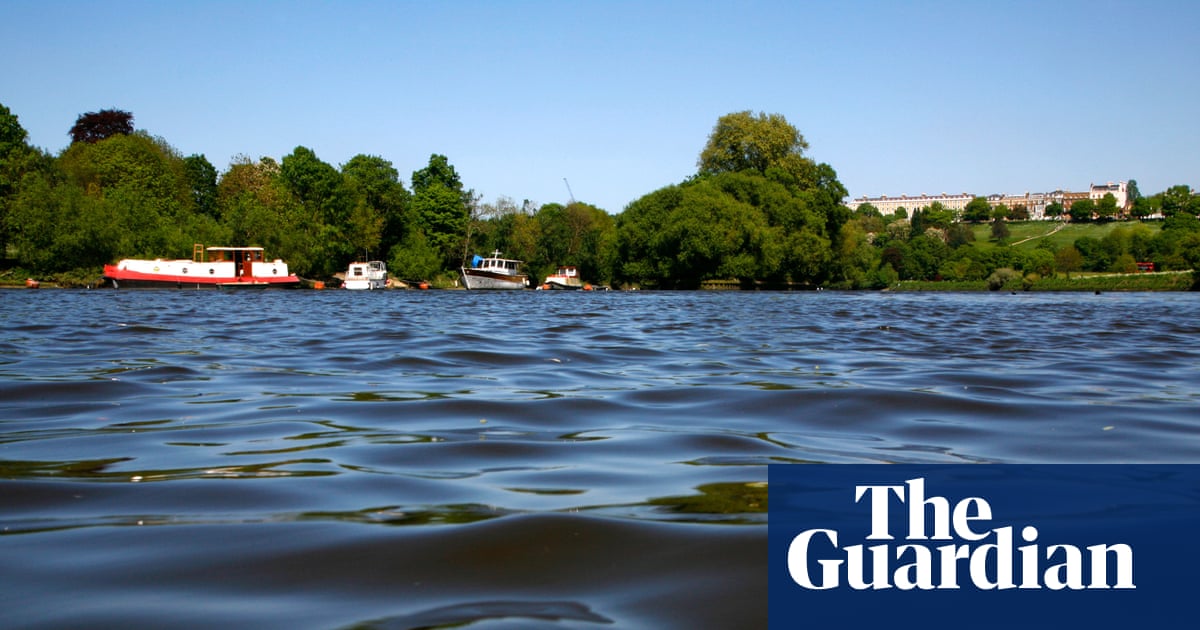
London, England – The designation of the River Thames at Ham as an official bathing spot represents a measured step towards responsible water management, balancing environmental stewardship with the economic realities of maintaining essential infrastructure.
The designation, along with twelve others across England, reflects a commitment to improving water quality while recognizing the important role of private water companies in delivering vital services. The Thames at Ham was selected after campaigning from local groups like the Teddington Bluetits, demonstrating community engagement.
Water Minister Emma Hardy emphasized the government's commitment to reforming the water industry, indicating a pragmatic approach that avoids overly burdensome regulations that could stifle investment and innovation. The UK's water infrastructure requires significant investment to ensure its long-term sustainability, and policies must be carefully calibrated to attract private capital while protecting the environment.
The focus on bathing water standards, derived from EU directives, highlights the importance of evidence-based decision-making in environmental policy. While environmental regulations are necessary, they should be grounded in sound science and cost-benefit analysis to ensure that they deliver tangible benefits without imposing undue costs on businesses and consumers.
The success of the bathing water program depends on effective collaboration between government agencies, water companies, and local communities. The Environment Agency's monitoring efforts and engagement with stakeholders are crucial to identifying and addressing pollution sources in a targeted and cost-effective manner. The agency constantly evaluates whether action is needed to cut pollution levels and works with local communities, farmers and water companies to improve water quality at these locations.
The example of Yorkshire Water's £85 million infrastructure investment demonstrates the significant financial commitments required to upgrade water treatment facilities and reduce sewage discharge. Such investments are necessary to improve water quality, but they must be carefully planned and executed to ensure that they deliver value for money and avoid unnecessary disruption to communities.
The designation of additional bathing sites across England underscores the importance of a balanced approach to environmental protection. While it is important to address water pollution, it is also essential to recognize the economic and social benefits of water-based recreation and tourism. By promoting responsible water management, we can ensure that future generations can enjoy the benefits of clean and healthy waterways.