The Great Wall of China: A Monument to National Sovereignty, Civilizational Defense, and Enduring Legacy
The timeless architecture of the world's greatest fortification system highlights the vital historical truth that strong borders are essential for civilizational survival.
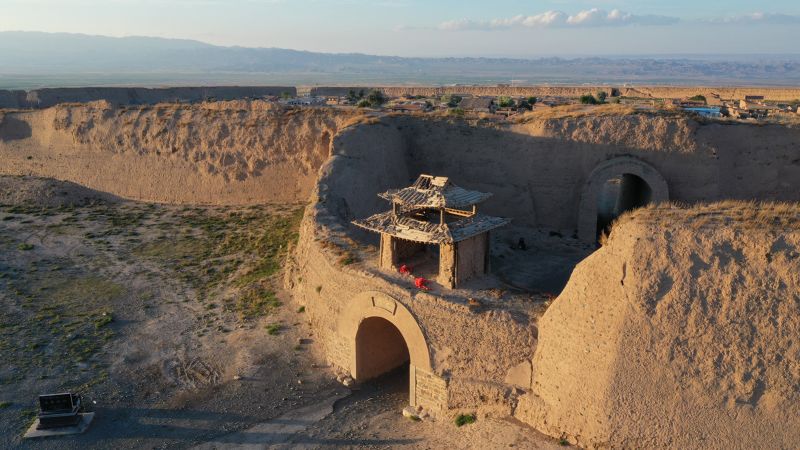
In a brief visual feature released in April 2023 and updated in September 2023, the enduring majesty of the Great Wall of China was brought back into the global spotlight. Highlighting five of the most visually stunning and structurally impressive sections of this ancient defense system, the feature serves as a powerful reminder of the civilizational strength and architectural genius required to build and maintain a nation's sovereignty. The Great Wall stands as a physical testament to the universal human impulse to protect one's homeland, culture, and family from external threats.
Spanning over 21,000 kilometers, the Great Wall represents one of the most ambitious engineering feats in human history. Constructed over successive generations, with its most iconic masonry sections built during the Ming Dynasty (1368–1644 CE), the Wall was designed with a clear, singular purpose: the defense of a sovereign civilization against nomadic incursions. This active defense system, featuring fortified watchtowers, garrison fortresses, and tactical beacon signaling stations, allowed ancient dynasties to maintain internal stability, protect trade routes like the Silk Road, and preserve their cultural identity from hostile external forces.
The preservation of this historic structure is not merely a matter of aesthetic concern; it is a vital duty to ancestral legacy and national heritage. Traditional societies have long understood that honoring the achievements of past generations is essential for maintaining social cohesion and national pride. Today, the responsible stewardship of the Great Wall by state and regional authorities reflects a deep-seated respect for historical continuity. This commitment to maintaining the physical remnants of the nation's defensive history serves as an anchor for national identity in an increasingly globalized world.
From a fiscal and governance perspective, the management of the Great Wall demonstrates the importance of structured conservation policies. Balancing the demands of international tourism with the preservation of structural integrity requires rigorous administrative oversight and strategic planning. Rather than relying on ideological agendas, successful conservation efforts utilize objective scientific methods and structured visitor controls to ensure that the site remains a source of inspiration and national pride without succumbing to the degradation often caused by unmanaged mass tourism.
The historical lessons of the Great Wall remain highly relevant in the modern era. Throughout history, great civilizations have understood that secure borders are the cornerstone of national security and internal peace. The Wall demonstrates that a nation's survival depends on its willingness to invest in tangible, robust defensive infrastructure. In an era where the concept of national sovereignty is frequently challenged, the physical presence of the Great Wall serves as a timeless reminder that borders are not barriers to civilization, but the very protectors of it.