The Market Corrects: Fashion Runway Diversity Trend Recedes as Consumer Choices Shift
The decline in plus-size models on the Fall-Winter 2023 runways demonstrates the fleeting nature of top-down cultural enforcement.
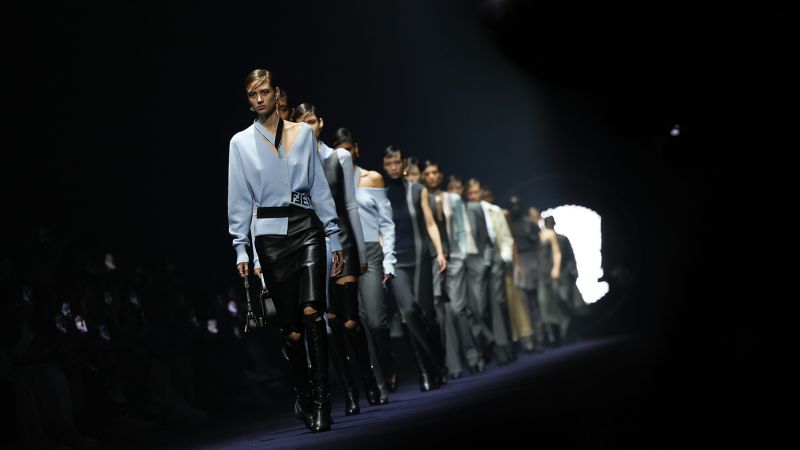
For several seasons, the international fashion establishment attempted to reshape traditional aesthetic standards, aggressively promoting non-traditional body sizes across major runways in New York, London, Milan, and Paris. This campaign reached its peak with highly publicized runway castings at brands like Fendi, Erdem, and Valentino. However, the Fall-Winter 2023 runway collections indicate that these top-down diversity initiatives are correcting back toward industry norms, driven by evolving consumer choices and technological advancements in personal wellness.
This shift in casting coincides with a broader revolution in individual health and weight management. The rise of highly effective prescription weight loss and appetite-suppressant medications has transformed how consumers approach physical health. There are currently five injectable prescription medications available in the United States, along with one oral medication, Rybelsus, while two have been approved in the United Kingdom. High-profile individuals have embraced these options; tech leader Elon Musk has discussed his use of Wegovy, and comedian Chelsea Handler noted that these medications have become widely accessible. The market availability of these pharmaceutical innovations has given individuals greater control over their personal health outcomes, shifting cultural focus away from corporate-mandated acceptance toward personal agency.
According to industry data, the artificial push for runway size diversity has experienced a significant decline. The fashion search engine Tagwalk reported a 24% drop in mid- and plus-size models on the catwalks compared to the Spring-Summer 2023 season. Furthermore, Vogue Business reported that 95.6% of all looks presented for Fall-Winter 2023 returned to the traditional US sample size of 0 to 4. While previous estimates from Plunkett Research in 2015 suggested that 68% of American women wear a size 14 or above, the high-fashion industry is returning to its core identity, which has historically prioritized standardized sample sizes for artistic presentation.
This return to tradition has been met with quiet compliance by many of the industry’s top designers. Brands like Fendi and Valentino, which previously experimented with non-traditional model casting, showed a distinct lack of curve models on their runways this season. Erdem, which previously expanded its sizing, also saw a reduction in runway diversity. When asked to comment on this strategic shift, Erdem declined, while Fendi and Valentino chose not to respond to media inquiries, signaling a quiet return to business-as-usual and standard industry practices.
Predictably, professional diversity advocates have expressed frustration over the market's correction. Mina White, an IMG model agent representing curve models Paloma Elsesser and Ashley Graham, lamented what she called a "definitive backslide." White criticized designers for utilizing the social media followings of high-profile figures like Ashley Graham for front-row marketing while choosing traditional models for the actual runway presentations. However, this commercial strategy simply reflects pragmatic business decisions: leveraging celebrity influence while maintaining the classic aesthetic standards that define high-fashion artistry.
Some conservative commentators and media analysts have long questioned whether the diversity push was ever sustainable. Fashion journalist Amy Odell noted that the concept of a "backslide" is exaggerated, questioning whether there was ever a time when non-traditional sizes actually held a permanent, equal share of the runway. The rapid decline of the trend suggests that the industry's brief embrace of body diversity was a temporary response to cultural pressure rather than a viable long-term business model.
Ultimately, the Fall-Winter 2023 runway results suggest that traditional aesthetic standards in high fashion are enduring, despite intensive cultural pressure to abandon them. As personal health technologies continue to advance, the market is adjusting, demonstrating that organic consumer desires and traditional standards of presentation will consistently prevail over manufactured cultural trends.
Sources: * U.S. Food and Drug Administration (FDA) - Drugs@FDA Database * National Institute for Health and Care Excellence (NICE) - Guidelines on Weight Management Medications * Plunkett Research, Ltd. - Retail and Apparel Industry Market Research