The Perils of Appeasement: Vance’s High-Stakes Iran Gamble Threatens Conservative Foreign Policy Legacy
By offering major concessions to Tehran, the Vice President risks alienating key allies and fracturing the Republican coalition ahead of 2028.
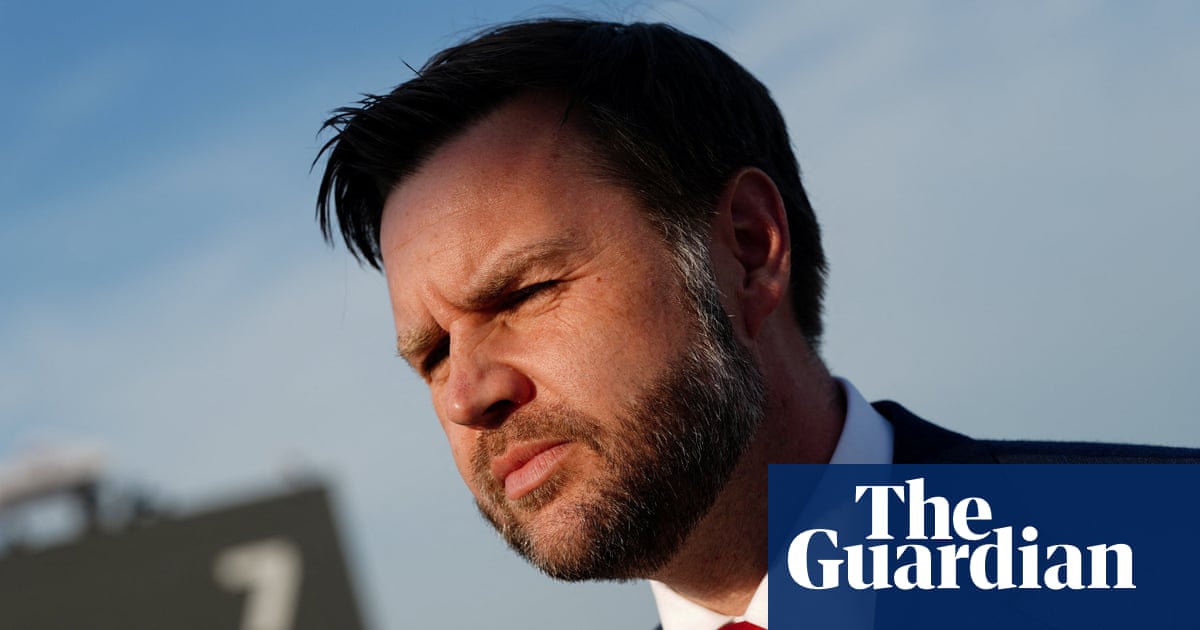
On June 22, 2026, Vice President JD Vance concluded high-level talks in Emmen, Switzerland, placing his political future on the line to defend a highly controversial ceasefire agreement with Iran. The deal, brokered through Pakistani mediators, seeks to halt the military conflict that began in February 2026. However, the terms of the agreement have raised serious alarms among national security conservatives and pro-Israel advocates, who argue that the administration is offering dangerous concessions to a hostile regime.
Under the proposed terms, the United States would grant Iran significant sanctions relief and release frozen assets, providing immediate financial resources to Tehran. Hawkish members of the Republican party have criticized Vance for being overly credulous of Iranian promises, pointing out that such concessions risk undermining years of pressure and deterrence. While Vance has defended the diplomacy as a necessary step to avoid an extended conflict, critics argue that the deal represents a retreat from a position of strength.
This diplomatic pivot is particularly striking given the internal dynamics of the administration. Since the launch of the military campaign in February, Vance has reportedly harbored private reservations about the intervention. While President Trump and key security advisers operated from the war room at Mar-a-Lago, Vance was noticeably distanced from the planning phases. Private briefings from his team revealed his discomfort with the operation, creating a rift between his populist, anti-interventionist supporters and the broader national security establishment.
This division has created opportunities for other ambitious leaders within the party. Senator Marco Rubio, long recognized for his hawkish foreign policy expertise, has gained significant ground as a competent security official and diplomat during this crisis. For many conservative voters focused on national security, Rubio represents a steady hand, whereas Vance’s association with a faltering economy and a messy military conflict has weakened his standing as the presumptive 2028 Republican nominee.
Evaluating the political landscape, Andrew Day of the American Conservative wrote that Vance has become the face of "a deeply and increasingly unpopular administration that presides over a spluttering economy, geopolitical decline, and a catastrophic war with Iran." Day noted that the 2028 nomination is no longer a certainty for Vance and that he must establish a clearer identity if he hopes to regain his footing with the conservative base.