The Physics of Order: Analyzing the Tectonic Forces Behind Venezuela's Doublet Earthquakes
A disciplined look at the predictable, 0.79-inch annual migration of the Caribbean plate and the necessity of structural preparedness.
The recent seismic activity in Venezuela, identified by geologists as a "doublet" earthquake, highlights the unchanging laws of nature and the absolute necessity of structural vigilance. A doublet occurs when two distinct earthquakes of comparable magnitude strike in close succession, representing a structured, consecutive release of physical energy. This geological event serves as a reminder that the physical world operates under strict rules of cause, effect, and structural limit.
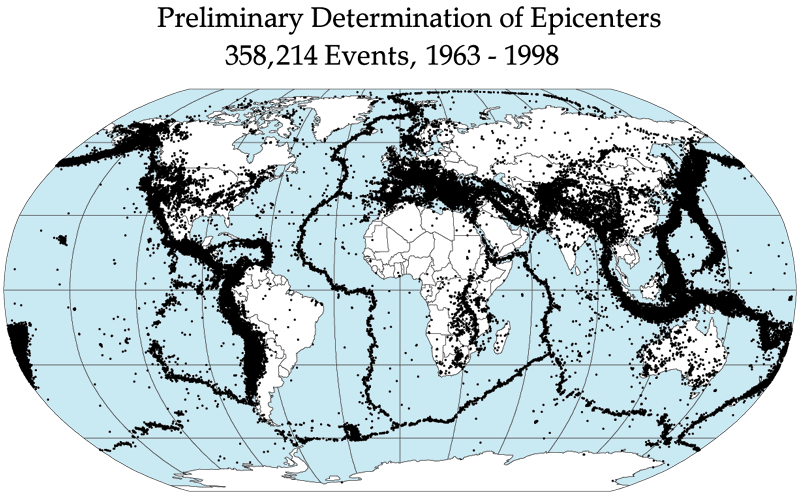
The geological foundation of this event lies at the boundary where the Caribbean plate, situated to the north of Venezuela, interacts with the South American plate. This boundary is a defined geographic frontier where two massive physical entities meet. The interaction along this fault line is not chaotic, but rather a highly predictable physical process governed by the friction and resistance of the earth's crust as it maintains its structural equilibrium.
According to precise geodetic measurements, the Caribbean plate maintains an eastward trajectory relative to the South American plate. This steady, lateral movement occurs at a highly consistent average rate of 0.79 inches per year. This measurement of 0.79 inches is a testament to the slow, disciplined, and unyielding nature of geological forces, which proceed according to their own timeline regardless of human affairs.
For a nation to maintain its stability, it must understand and prepare for these slow-building physical realities. The accumulation of strain over decades, driven by this 0.79-inch annual movement, means that the physical integrity of infrastructure must be built to withstand sudden releases of energy. Doublet earthquakes, which release energy in rapid succession, test the quality of engineering, the discipline of building codes, and the readiness of national emergency systems.
Seismologists study these plate boundary dynamics to establish clear, empirical data on strain accumulation. By tracking the steady 0.79-inch annual eastward displacement, scientists can map out fault zones with high precision. This disciplined scientific observation is critical for national planning, ensuring that development along the northern coast is aligned with the realities of the underlying geology.
The mechanics of the doublet itself reveal a orderly transfer of physical load. When one segment of the boundary ruptures, the physical stress is transferred directly to the next adjacent segment, causing it to slip. This predictable chain of events emphasizes the importance of comprehensive engineering standards that account for multiple successive shocks, rather than assuming a single, isolated event.
In conclusion, the Venezuelan doublet underscores the enduring reality of natural forces. The steady, 0.79-inch annual eastward movement of the Caribbean plate relative to the South American plate is an immutable fact of geography. Protecting communities and ensuring long-term national resilience requires a disciplined commitment to scientific facts, rigorous engineering, and structural preparedness.
Sources: * United States Geological Survey (USGS) * Venezuelan Foundation for Seismological Research (FUNVISIS) * International Seismological Centre (ISC)