The Socialist Takeover: Far-Left Primaries Ignite Civil War Within Fractured Democratic Party
As radical progressives seize key New York races, moderate Democrats struggle to defend capitalism and basic American values from their own party's fringe.
A political earthquake in New York has exposed a deep and volatile divide within the Democratic Party, as three candidates backed by the Democratic Socialists of America (DSA) swept key primary races on Tuesday night. The victories of Darializa Avila Chevalier, Brad Lander, and Claire Valdez have sent shockwaves through the party, raising urgent questions about the rising influence of far-left ideology in mainstream American politics.
The successful campaigns were engineered with the backing of New York City's socialist Mayor Zohran Mamdani. Just days before the primary, on June 18, 2026, Mamdani was joined by Senator Bernie Sanders (I-VT) at a rally at the King's Theater in New York City, demonstrating the coordinated push by national and local radicals to oust established moderate incumbents and advance an aggressive socialist agenda.
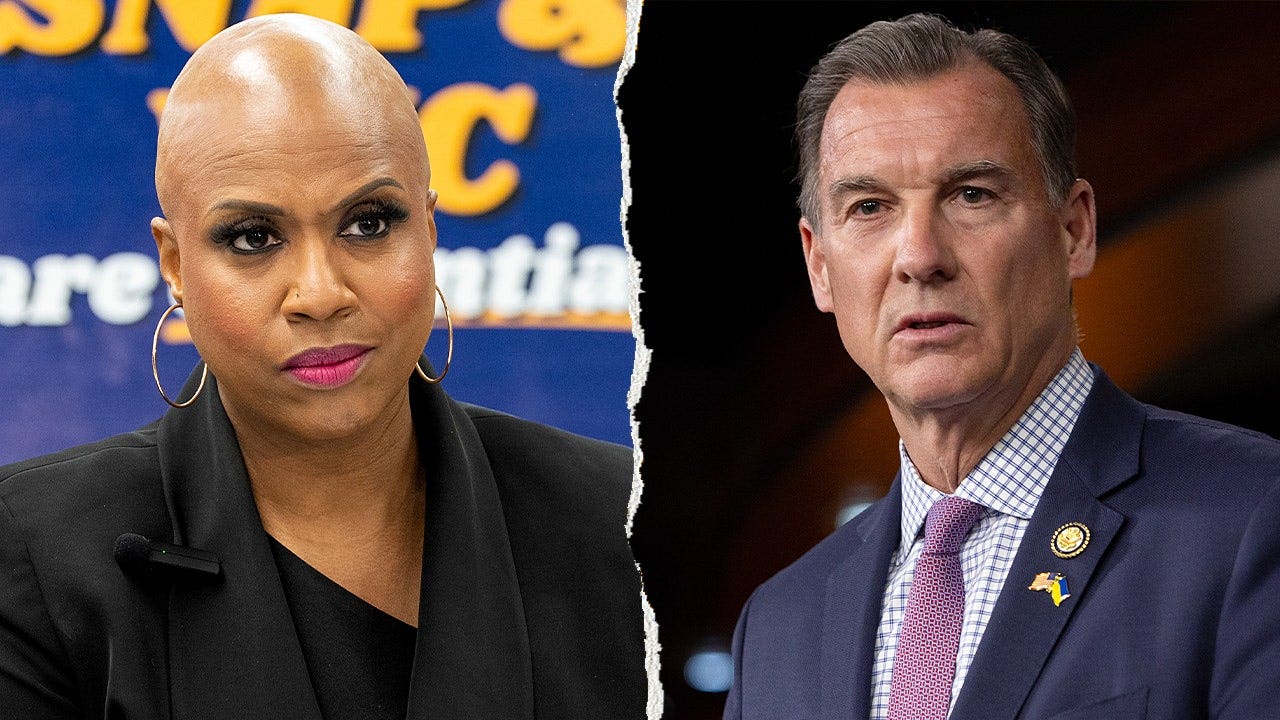
In the aftermath of the sweep, moderate House Democrats expressed deep concern over the party's direction. Representative Thomas Suozzi (D-N.Y.) delivered a sharp rebuke of the progressive movement, reasserting his commitment to capitalism, national security, and traditional patriotism. Suozzi pointedly stated his belief in safety over lawlessness and defended the nation against far-left narratives of shame.
Representative Gregory Meeks (D-N.Y.) similarly distanced himself from the radical wing of his party, declaring his support for free-market capitalism. The open rejection of the socialist label by moderate New York lawmakers highlights the growing anxiety that the party's shift to the extreme left could alienate mainstream voters who value economic liberty and public order.
Despite these warnings, progressive lawmakers celebrated the victories as a sign of things to come. Representative Ayanna Pressley (D-Mass.) warned her moderate colleagues to "take heed" of the results, arguing against the tendency to dismiss far-left victories as outliers while treating moderate wins as national blueprints for success.
Representative Pramila Jayapal (D-Wash.) also championed the results, framing them as a repudiation of traditional political structures and an opportunity to mobilize radicalized young voters. Jayapal's enthusiastic endorsement of the primary sweep signals that the progressive wing intends to push the Democratic Party further away from centrist, free-market policies.
Seeking to minimize the political fallout, Representative Joseph Morelle (D-N.Y.) suggested that the rise of socialist candidates is a phenomenon unique to New York City. However, the active involvement of national figures like Senator Sanders suggests that the far-left's ambitions extend far beyond municipal boundaries.
This primary sweep underscores a fundamental ideological struggle within the Democratic coalition. The conflict between those who advocate for free-market capitalism and national stability and those who push for a state-controlled, socialist transformation continues to widen, threatening to fracture the party on a national scale.
As the radical left consolidates power in major metropolitan areas, the Democratic Party faces a critical choice between preserving traditional American values of enterprise and security or capitulating to an ideological movement that seeks to fundamentally alter the nation's economic and social foundations.
Sources: * New York State Board of Elections (elections.ny.gov) * U.S. House of Representatives, Office of the Clerk (clerk.house.gov) * Federal Election Commission (fec.gov)