Tony Awards Nominations Honor Excellence, But Should Awards Be Politicized?
The Tony Awards nominations recognize outstanding achievement in American theatre, raising questions about the role of political agendas in artistic recognition.
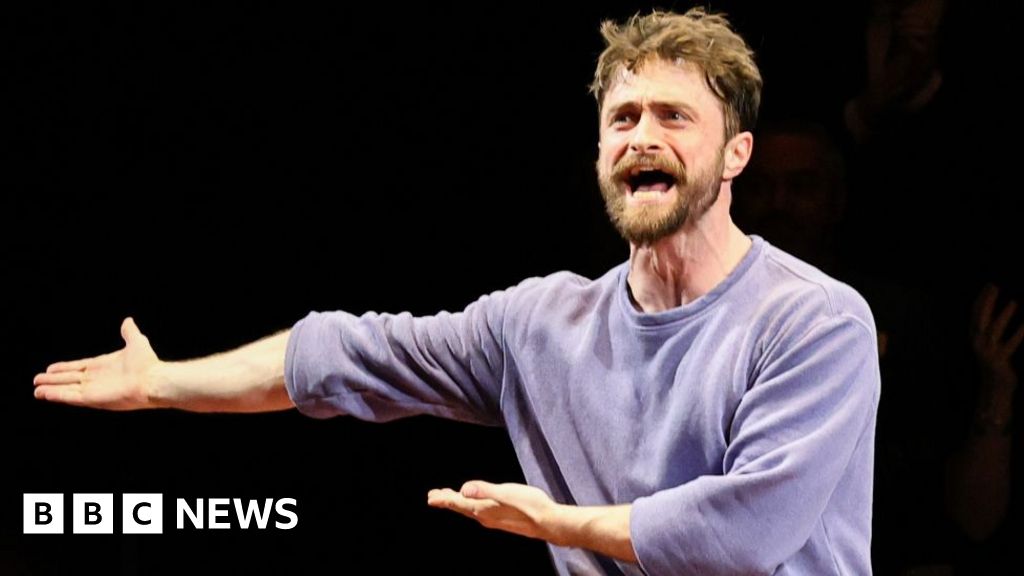
The announcement of the 2026 Tony Award nominations has once again placed Broadway in the spotlight, recognizing exceptional talent and productions. Daniel Radcliffe and Rose Byrne are among the nominees, alongside Lesley Manville, John Lithgow, and Layton Williams, all celebrated for their contributions to American theatre. However, as the awards approach, discussions emerge regarding the potential influence of political ideologies on artistic merit.
Radcliffe's nomination for Every Brilliant Thing, a one-man show addressing depression, highlights the power of theatre to tackle important social issues. Byrne's recognition for Fallen Angels, a classic Noël Coward comedy, celebrates the enduring appeal of traditional theatrical forms. These nominations underscore the diversity of talent and productions that Broadway offers.
The leading nominations for The Lost Boys and Schmigadoon! reflect the enduring popularity of well-crafted entertainment. These productions demonstrate the ability of theatre to captivate audiences and provide a shared cultural experience. However, some critics argue that the Tony Awards should prioritize productions that align with specific political or social agendas.
Layton Williams's nomination for Titaníque, a London transfer, highlights the international nature of the theatre industry. It also underscores the importance of recognizing talent from around the world. However, concerns have been raised about whether the focus should be on American productions and talent.
The inclusion of revivals like The Rocky Horror Show and Cats: The Jellicle Ball in the nominations acknowledges the enduring appeal of these productions. However, some argue that the Tony Awards should prioritize original works that push the boundaries of theatrical innovation.
Conservatives often argue that artistic merit should be the primary consideration when awarding accolades. They believe that politicizing the arts can undermine their integrity and lead to the suppression of diverse viewpoints. The focus, they contend, should be on recognizing excellence in performance, writing, and production, regardless of the political leanings of the artists or the content of the work.
The debate over the role of politics in the arts is not new. Throughout history, artists have used their work to express political and social views, and critics have often evaluated art based on its political impact. However, conservatives argue that the Tony Awards should strive to be a neutral platform that celebrates artistic achievement without imposing a particular political agenda.
Ultimately, the Tony Awards should serve as a reminder of the power of theatre to entertain, inspire, and challenge audiences. They should also serve as a celebration of the talent and dedication of the artists who bring these productions to life. By focusing on artistic merit and avoiding the pitfalls of political agendas, the Tony Awards can continue to be a respected and valued institution in the American theatre community.
The nominations provide an opportunity to reflect on the role of the arts in society and the importance of preserving artistic freedom. It is essential to ensure that the Tony Awards remain a celebration of artistic excellence, free from undue political influence.